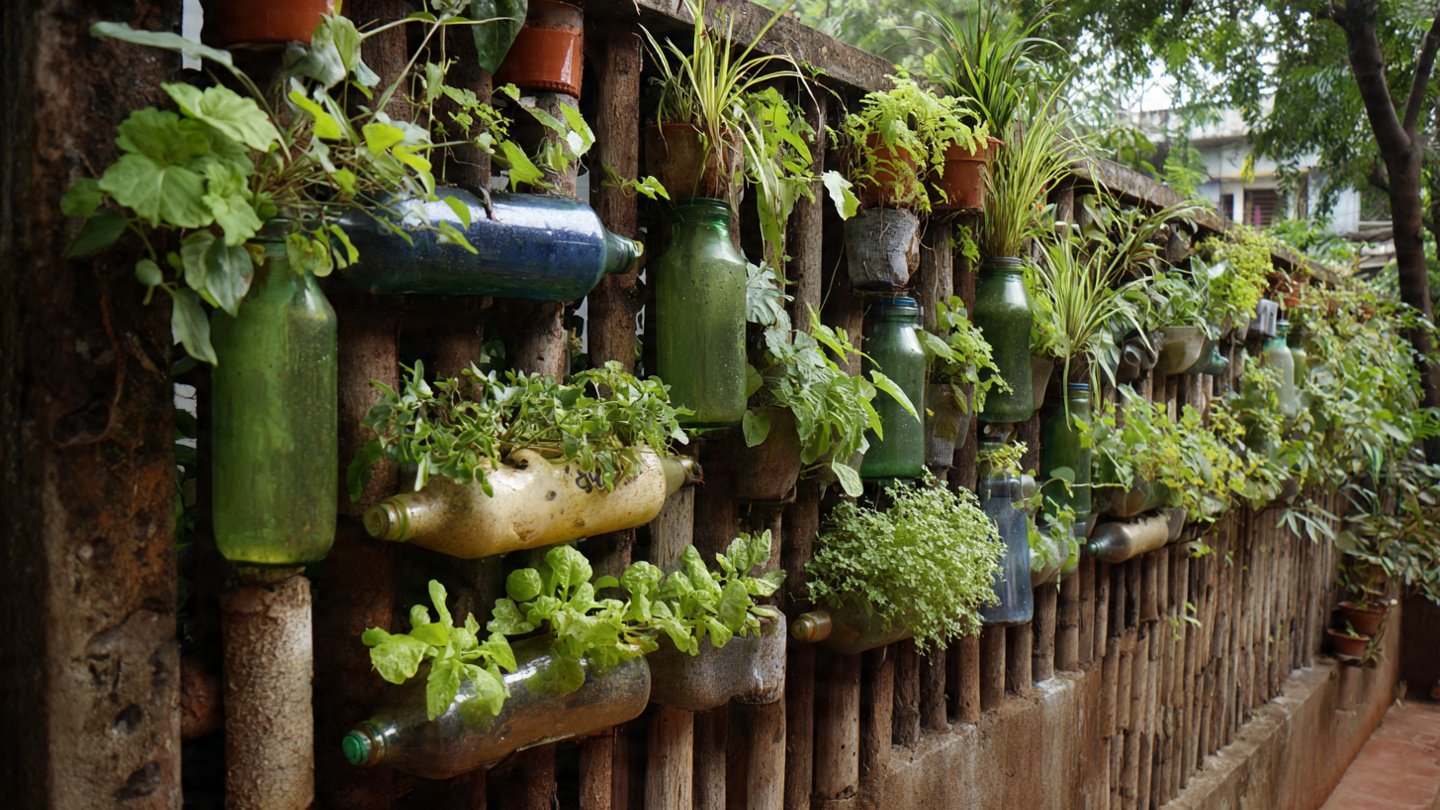
As urban living continues to shrink outdoor spaces, home gardeners are finding creative ways to grow plants without relying on traditional gardens. One of the most innovative and eco-friendly solutions is vertical gardening using recycled plastic bottles. This approach not only transforms small walls, balconies, and fences into lush green spaces but also helps reduce plastic waste in a meaningful way.
Vertical gardening with plastic bottles is affordable, flexible, and surprisingly effective. Whether you live in an apartment or a house with limited yard space, this method allows you to grow herbs, vegetables, flowers, and even decorative plants while making a positive environmental impact.
Why Choose Plastic Bottle Vertical Gardening?
Plastic bottles are one of the most common household waste items, and many end up in landfills or oceans. Reusing them for gardening gives these materials a second life.
Key Benefits
- Saves space by using vertical surfaces
- Reduces household plastic waste
- Low-cost and beginner-friendly
- Easy to customize and expand
- Ideal for balconies, patios, fences, and indoor walls
This method is especially useful for people who want to grow plants at home without heavy containers or expensive setups.
Understanding Vertical Gardening Basics
Vertical gardening involves growing plants upward rather than outward. Instead of planting in ground beds or large pots, plants are arranged in stacked or wall-mounted systems.
Plastic bottles work perfectly because they are:
- Lightweight
- Durable
- Transparent or translucent (helpful for monitoring roots)
- Easy to cut and modify
With a little creativity, bottles can be turned into self-contained planters that fit almost anywhere.
Choosing the Right Plastic Bottles
Not all bottles are equal for gardening.
Best Bottle Types
- 1–2 liter soda or water bottles
- Thick, clear plastic bottles
- Uniform sizes for cleaner layouts
Avoid very thin plastic, which degrades quickly in sunlight.
Before use:
- Wash bottles thoroughly
- Remove labels
- Check for cracks or weak spots
Simple Methods for Creating Bottle Planters
Horizontal Bottle Planters
This is one of the most popular styles.
How to make it:
- Cut a rectangular opening on one side
- Poke small drainage holes at the bottom
- Fill with soil
- Plant seedlings or seeds
- Attach horizontally using wire or rope
This style works well for herbs, lettuce, and flowering plants.
Vertical Hanging Bottle Planters
Steps:
- Cut a small opening near the top
- Make holes for hanging strings
- Ensure drainage at the base
- Stack bottles vertically using rope or wire
This method is perfect for strawberries, leafy greens, and trailing plants.
Wall-Mounted Bottle Systems
Attach bottles directly to walls or fences using hooks or brackets. This creates a living wall that looks decorative and functional.
Make sure the wall receives enough sunlight and is strong enough to support the weight when bottles are filled with soil and water.
Best Plants for Bottle Vertical Gardening
Choosing the right plants is essential for success.
Ideal Plants
- Herbs: basil, mint, parsley, cilantro
- Leafy greens: lettuce, spinach, arugula
- Small vegetables: chili, cherry tomatoes, green onions
- Flowers: petunias, marigolds, pansies
- Decorative plants: pothos, spider plants
Avoid plants with large root systems unless bottles are extra-large.
Soil and Drainage Tips
Good soil and drainage keep plants healthy.
Soil Mix
Use a lightweight mix:
- Garden soil
- Compost or vermicompost
- Coco peat or perlite for aeration
Avoid heavy clay soil, which holds too much water.
Drainage Importance
Always create drainage holes. Poor drainage leads to root rot and fungal issues.
Watering Smartly in Vertical Systems
Vertical gardens dry out faster than ground beds.
Watering Tips
- Water from the top so excess flows downward
- Check moisture daily in hot weather
- Avoid overwatering lower bottles
- Use drip bottles or slow-release watering systems
Consistency is key for healthy growth.
Sunlight Requirements
Most plants need at least 4–6 hours of sunlight daily.
- Place bottle gardens near windows, balconies, or open walls
- Rotate bottles occasionally for even light exposure
- For indoor setups, consider grow lights
Insufficient light results in weak, leggy plants.
Fertilizing Your Bottle Garden
Because bottle planters hold limited soil, nutrients deplete quickly.
- Use liquid organic fertilizers every 2–3 weeks
- Compost tea or seaweed extract works well
- Avoid over-fertilizing, which can burn roots
Small, frequent feeding keeps plants productive.
Pest Control in Bottle Gardens
Vertical gardening naturally reduces some pest problems, but issues can still occur.
Natural Pest Control
- Neem oil spray
- Soap water spray
- Regular inspection of leaves
- Remove infected plants immediately
Good airflow and cleanliness help prevent infestations.
Creative Design Ideas
Plastic bottle vertical gardens can be visually stunning.
Design Tips
- Paint bottles for a decorative look
- Arrange bottles in geometric patterns
- Mix flowers with herbs
- Use color-coded bottles for different plant types
A well-designed vertical garden doubles as living décor.
Environmental Impact and Sustainability
By reusing plastic bottles, you:
- Reduce landfill waste
- Lower demand for new plastic products
- Promote eco-conscious living
- Inspire sustainable habits in others
Even a small bottle garden contributes to a greener planet.
Common Mistakes to Avoid
- Using bottles without drainage holes
- Overcrowding plants
- Ignoring sunlight needs
- Inconsistent watering
- Hanging bottles too close together
Avoiding these mistakes ensures long-term success.
Final Thoughts
Vertical gardening with recycled plastic bottles proves that sustainable living can be simple, affordable, and beautiful. This innovative method turns everyday waste into a productive gardening system that fits perfectly into modern homes.
Whether you want fresh herbs in your kitchen, flowers on your balcony, or greenery on an empty wall, plastic bottle vertical gardening offers endless possibilities. With a bit of creativity and care, you can create an amazing green space that benefits both your home and the environment.