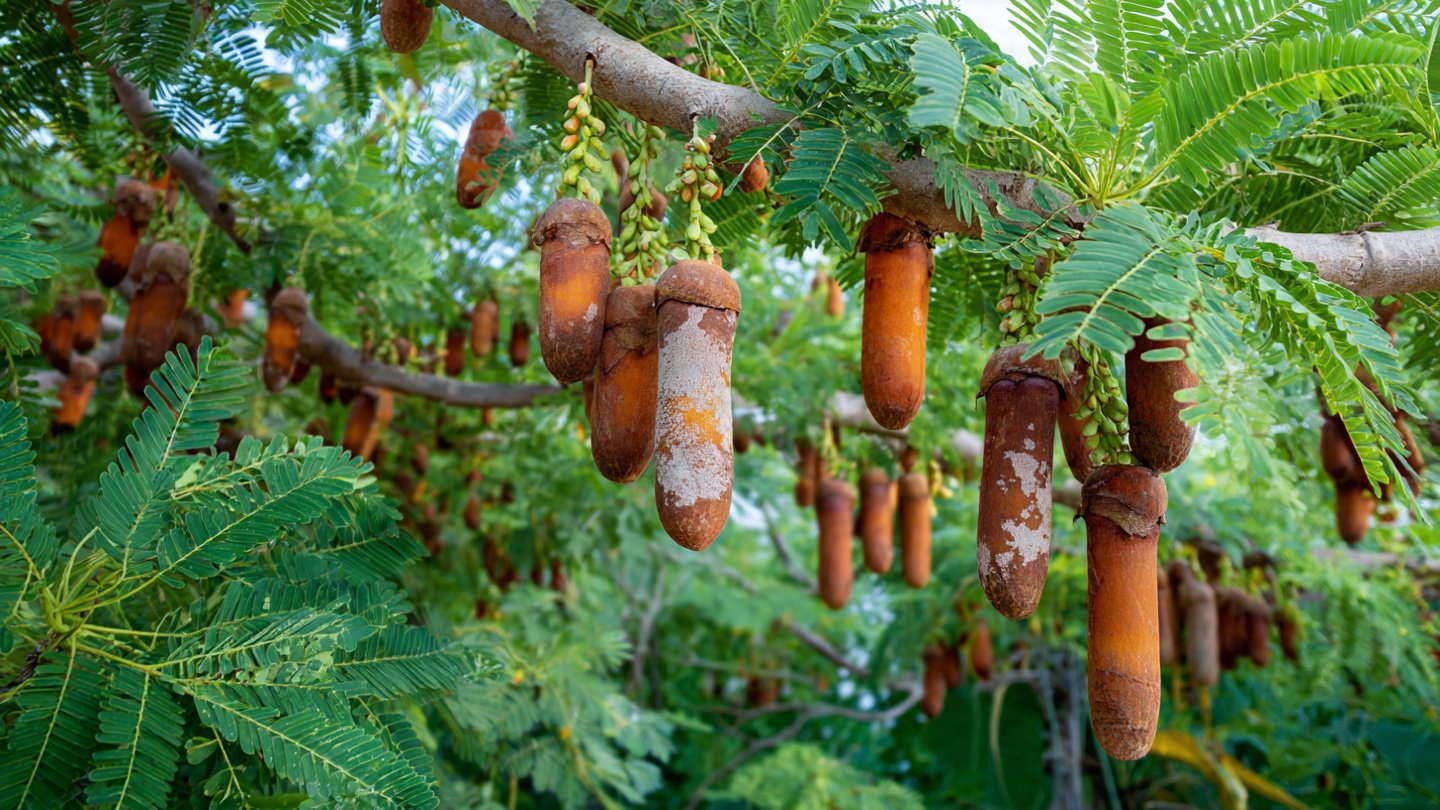
Tamarind, known for its tangy, sweet-sour flavor, is a beloved fruit tree in tropical and subtropical regions. From culinary uses to medicinal benefits, tamarind has earned a permanent spot in many gardens and farms. However, one of the challenges in cultivating tamarind is its slow growth and the time it takes to bear fruit. Traditional propagation from seeds can take several years before yielding any significant harvest.
Enter grafting — a revolutionary technique that can transform tamarind cultivation. By applying modern grafting methods, gardeners and farmers can grow faster, stronger trees with massive fruit yields, reducing the waiting period and improving overall productivity. This guide explores the latest approaches to grafting tamarind, step-by-step methods, and tips for ensuring your trees thrive and produce abundant fruit.
Why Grafting Tamarind is a Game-Changer
Tamarind trees grown from seeds have certain limitations:
- Slow Growth – Seedlings can take 6–10 years to start producing fruit.
- Variable Fruit Quality – Fruits grown from seeds may differ in taste, size, and pulp content.
- Weak Structures – Seedlings can have inconsistent branching patterns and weaker trunks.
Grafting overcomes these limitations by combining the desirable traits of a mature, fruit-bearing tree (the scion) with the strong, disease-resistant rootstock. The result is a tree that grows faster, develops a stronger structure, and produces high-quality fruits in a shorter time frame.
Some of the key advantages of grafted tamarind trees include:
- Faster Fruiting – Trees can bear fruit within 3–4 years instead of 6–10 years.
- Uniform Fruit Quality – Scion selection ensures consistent taste, size, and pulp content.
- Stronger Growth – Rootstock provides better resistance to pests, diseases, and environmental stresses.
- Higher Yield – Grafted trees focus energy efficiently, producing more flowers and fruits.
Choosing the Right Tamarind Varieties for Grafting
Successful grafting starts with selecting the right scion and rootstock.
Scion Selection
- Choose a branch from a mature, healthy tree that produces large, juicy, high-quality fruits.
- Look for disease-free branches with strong growth.
- Short, woody branches with 2–3 nodes work best for grafting.
Rootstock Selection
- Seedlings grown from tamarind seeds are preferred as rootstock because of their strong roots and adaptability.
- Rootstocks should be 6–12 months old, vigorous, and free from pests or diseases.
- A robust rootstock ensures the grafted scion establishes quickly and grows efficiently.
Revolutionary Grafting Techniques for Tamarind
Traditional grafting methods like cleft or veneer grafting work, but recent innovations have improved success rates, tree vigor, and fruit production. Here’s a look at modern approaches:
1. Cleft Grafting
- Best for: Larger rootstocks and thick scions.
- Method: A vertical cut is made in the rootstock, and the scion is inserted carefully into the slit. Both are bound together with grafting tape.
- Benefits: Strong union, ideal for early fruiting.
2. Side Veneer Grafting
- Best for: Younger, thinner rootstocks.
- Method: A slanted cut is made on the side of the rootstock, and the scion is inserted at an angle. The union is tied and sealed.
- Benefits: High success rate and easier for small-scale growers.
3. Approach Grafting (Revolutionary Technique)
This innovative method is gaining popularity among tamarind growers for its higher success rate and improved vigor:
- Method: Instead of cutting the rootstock extensively, a scion branch is brought close to a healthy rootstock and tied together while both remain attached to their original plants. Over a few weeks, tissues fuse, and once the graft takes, the original root system of the scion is removed.
- Benefits: Reduced stress on the scion, faster growth, and stronger graft union.
- Result: Trees establish quickly and start bearing fruit earlier than traditional methods.
Step-by-Step Guide to Grafting Tamarind
Materials Needed
- Healthy tamarind scion and rootstock
- Sharp grafting knife or scalpel
- Grafting tape or rubber strips
- Wax or grafting sealant
- Pruning shears
Procedure
- Prepare the Rootstock – Select a healthy seedling and make a clean, straight cut for cleft or veneer grafting, or a side slant for side veneer grafting.
- Prepare the Scion – Cut the scion branch at a 45-degree angle, ensuring at least 2–3 nodes.
- Join the Scion and Rootstock – Insert the scion carefully into the cut of the rootstock. Ensure the cambium layers (green layer beneath the bark) align perfectly.
- Secure the Graft – Wrap the union tightly with grafting tape to hold it in place.
- Seal the Union – Apply grafting wax or sealant to prevent drying and infections.
- Maintain the Grafted Tree – Place the grafted tree in a shaded area for 2–3 weeks. Water regularly and protect from strong winds or direct sunlight.
- Monitor Growth – After 3–4 weeks, check for new leaf growth from the scion. Successful grafts will start sprouting, indicating the tree is ready for transplanting.
Caring for Grafted Tamarind Trees
Once the graft takes, proper care ensures faster growth, strong structure, and abundant fruiting.
1. Watering
- Water grafted trees regularly during the first 6 months.
- Avoid overwatering, as tamarind prefers slightly dry soil once established.
2. Sunlight
- Tamarind thrives in full sun, ideally 6–8 hours daily.
- Ensure young grafted trees are gradually exposed to direct sunlight to prevent stress.
3. Fertilization
- Apply balanced fertilizers (NPK 10:10:10) during the early growth phase.
- Incorporate organic compost or well-rotted manure to boost soil fertility and tree vigor.
4. Pruning
- Remove weak or damaged branches to strengthen the tree’s structure.
- Encourage a strong central trunk and well-spaced branches for better fruiting.
5. Pest and Disease Management
- Monitor for common pests like mealybugs, aphids, and caterpillars.
- Treat infections early with organic solutions or appropriate pesticides.
Maximizing Fruit Yield
The ultimate goal of grafting tamarind is to produce more, larger, and higher-quality fruits. Here’s how to achieve massive yields:
- Select the Right Scion: Only graft from trees known for high fruit production.
- Adequate Spacing: Plant trees 6–8 meters apart to allow sunlight penetration and airflow.
- Regular Fertilization: Encourage flowering and fruit set with potassium-rich fertilizers.
- Flower Thinning: Remove excess flowers to concentrate energy on developing larger pods.
- Mulching: Retain soil moisture, suppress weeds, and improve soil health with organic mulch.
Success Stories and Results
Farmers and gardeners who have adopted modern grafting techniques report remarkable results:
- Trees begin bearing fruit in just 3–4 years, compared to 6–10 years for seedlings.
- Fruits are uniform in size, rich in pulp, and have improved flavor.
- Grafted trees have stronger trunks and better resistance to drought and pests.
- Overall yield per tree increases significantly, making tamarind cultivation more profitable and rewarding.
Conclusion
Grafting tamarind is no longer just a traditional method—it’s a revolutionary practice that transforms slow-growing, seed-propagated trees into fast-growing, strong, and high-yielding plants. By selecting the right scion and rootstock, applying modern grafting techniques, and providing proper care, gardeners and farmers can enjoy massive, juicy tamarind harvests in a fraction of the time.
Whether you are a small-scale gardener or a commercial grower, embracing grafting opens up opportunities for earlier fruiting, uniform quality, and higher productivity. With patience, precision, and attention to care, your grafted tamarind trees will become a long-term source of sweet, tangy fruits that delight your family, friends, and customers.
Start grafting today and experience the future of tamarind cultivation—faster growth, stronger trees, and a surprisingly abundant harvest!