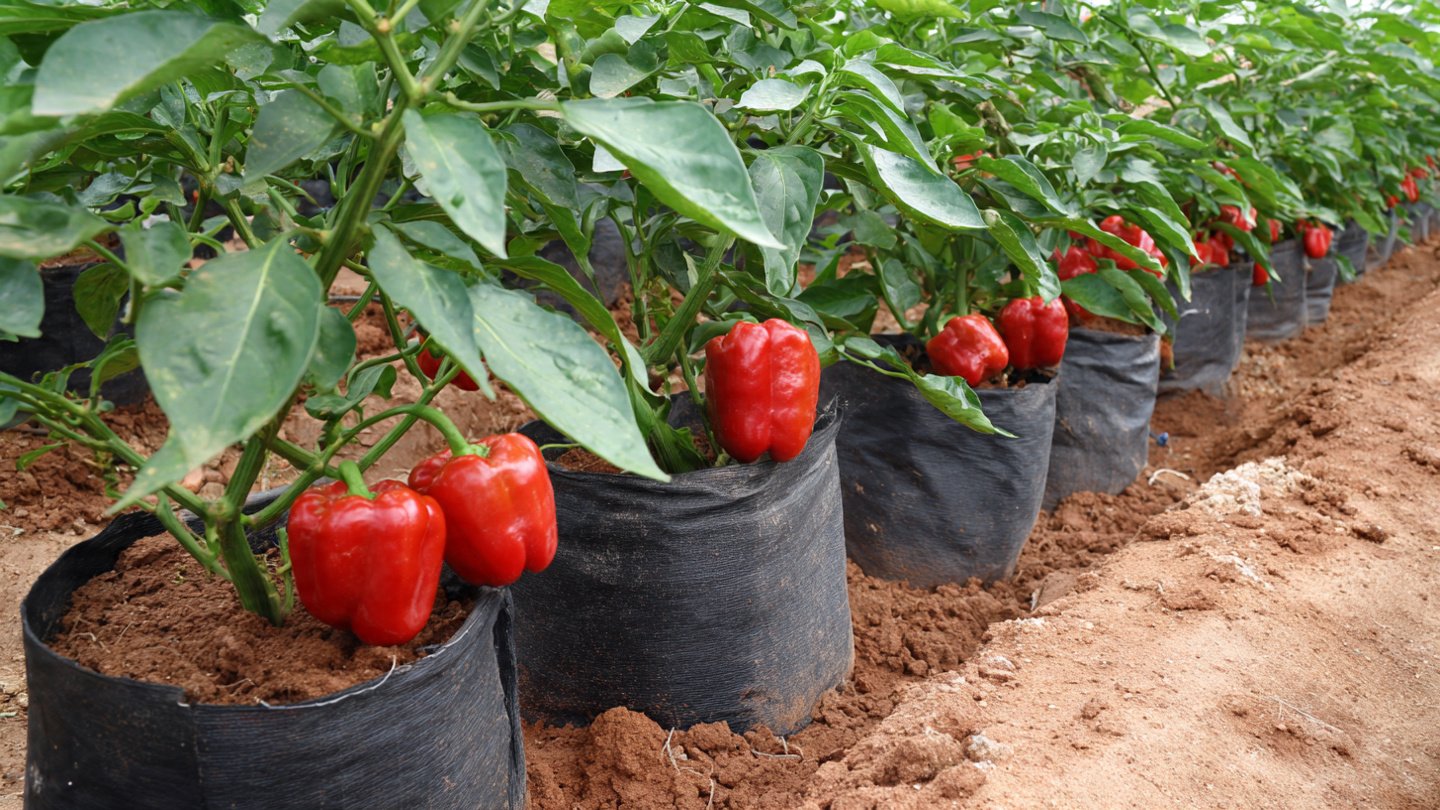
Capsicum, commonly known as bell pepper or sweet pepper, is a staple in kitchens worldwide, prized for its vibrant colors, sweet flavor, and rich nutritional profile. Home gardeners and commercial growers alike often face challenges in producing consistently large, healthy fruits and maintaining a continuous harvest throughout the growing season. Traditional cultivation methods can result in irregular fruit sizes, inconsistent yields, and susceptibility to pests and diseases.
Recently, a new high-productivity technique has emerged, designed to optimize capsicum growth, increase fruit size, and ensure continuous harvesting. This method combines advanced pruning, nutrient management, support systems, and environmental control to achieve maximum yield and superior quality.
Understanding the Challenges in Capsicum Cultivation
Before exploring this innovative technique, it’s important to understand why capsicum plants often struggle with productivity:
- Limited Fruit Size: Many home-grown capsicum plants produce small or uneven fruits due to inadequate nutrition or overcrowded branches.
- Irregular Harvests: Capsicum plants may flower and set fruit sporadically, leading to gaps in harvests.
- Susceptibility to Pests and Diseases: Aphids, whiteflies, thrips, and fungal infections like powdery mildew can damage plants and reduce productivity.
- Nutrient Deficiency: Capsicum is a nutrient-demanding plant; insufficient fertilization leads to stunted growth and fewer fruits.
- Environmental Stress: Temperature extremes, inadequate sunlight, or poor air circulation can significantly reduce fruit size and number.
This new high-productivity technique addresses these challenges systematically, allowing gardeners to achieve larger fruits and continuous harvesting over months.
Step 1: Selecting the Right Capsicum Variety
The foundation of high productivity begins with choosing the right variety:
- Sweet Bell Varieties: For home consumption and ornamental purposes, varieties like California Wonder, Yolo Wonder, and Giant Bell are ideal.
- Hot Capsicum Varieties: If growing chili peppers, select hybrids like Bhut Jolokia or Cayenne for uniformity and disease resistance.
- Early Maturing Varieties: Choosing varieties with shorter days to maturity allows for earlier harvests, making it easier to maintain continuous fruiting.
Selecting disease-resistant and high-yield varieties ensures a stronger base for implementing high-productivity practices.
Step 2: Optimizing Soil and Fertilization
Capsicum plants are nutrient-hungry, requiring a balanced supply for optimal growth:
- Soil Preparation: Use well-draining soil rich in organic matter. Ideal pH is between 6.0 and 6.8. Mixing in compost or well-rotted manure improves soil fertility and moisture retention.
- Base Fertilization: Incorporate a slow-release NPK fertilizer (e.g., 10:10:10) during planting to support initial vegetative growth.
- Supplemental Feeding:
- Nitrogen promotes leafy growth.
- Phosphorus encourages root development.
- Potassium enhances flowering and fruit formation.
- Micronutrients: Calcium prevents blossom-end rot, and magnesium supports chlorophyll production. Foliar sprays of micronutrients during flowering enhance fruit quality.
Optimizing soil and nutrient availability ensures that capsicum plants develop strong roots, lush foliage, and robust fruits.
Step 3: Advanced Pruning Techniques
One of the most critical elements of the high-productivity technique is strategic pruning, which maximizes light penetration, airflow, and energy allocation to fruits:
- Early Pruning: Remove the lower leaves and side shoots during early vegetative growth. This prevents overcrowding and improves airflow.
- Flower and Fruit Management: Limit the number of flowers per branch initially, directing energy to develop bigger fruits. Once the first set of fruits matures, allow more flowers to form for continuous harvest.
- Prune Overcrowded Branches: Regularly remove excess shoots to prevent competition for nutrients and sunlight.
Pruning encourages larger, high-quality fruits while promoting a healthier plant structure, reducing disease risk.
Step 4: Implementing Plant Support Systems
Capsicum plants can become heavy when producing multiple large fruits. Supporting the plants is essential to prevent breakage and ensure maximum productivity:
- Stakes or Trellises: Use bamboo stakes or vertical trellises to support each plant, tying stems loosely with soft ties.
- String Support System: In larger gardens, use a string-trellis system where each plant is tied to a vertical string, allowing vertical growth and better spacing.
- Canopy Management: Keeping plants upright improves sunlight exposure, which is crucial for flower development and fruit ripening.
Support systems not only prevent physical damage but also increase airflow around foliage, reducing fungal infections and pest infestations.
Step 5: Optimized Irrigation Practices
Water management is vital for producing big and healthy capsicum fruits:
- Consistent Moisture: Capsicum plants require steady soil moisture. Irregular watering can lead to stress, blossom drop, or cracking of fruits.
- Drip Irrigation: Installing drip lines or soaker hoses ensures deep, even watering, minimizes leaf wetting, and reduces fungal disease.
- Mulching: Organic mulch like straw or coconut coir conserves moisture, controls weeds, and maintains stable soil temperature.
Maintaining consistent soil moisture promotes steady fruit growth and prevents nutrient imbalances.
Step 6: Environmental Control
Environmental stress can drastically reduce fruit size and continuity of harvest. Implementing simple control measures can dramatically improve results:
- Temperature Management: Capsicum thrives at 20–30°C. Shade nets or row covers can protect plants from excessive heat or frost.
- Air Circulation: Proper spacing and pruning improve airflow, preventing powdery mildew and other fungal diseases.
- Light Optimization: Capsicum requires 6–8 hours of sunlight daily. For indoor or greenhouse cultivation, supplement with grow lights if natural sunlight is insufficient.
By controlling environmental conditions, gardeners can encourage continuous flowering and fruiting.
Step 7: Pollination and Flower Management
Pollination directly affects fruit set and size:
- Natural Pollination: Bees and other pollinators enhance fruit formation. Plant flowering companion plants nearby to attract them.
- Hand Pollination: In areas with low pollinator activity, transfer pollen from male to female flowers using a small brush to ensure fruit set.
- Flower Thinning: Removing excessive flowers helps the plant focus on developing fewer, larger fruits.
Effective pollination ensures that each fruit reaches maximum potential size and quality.
Step 8: Continuous Fertilization During Fruit Development
To maintain a steady harvest throughout the season, supplemental feeding is essential:
- Apply potassium-rich fertilizers during flowering and fruit development to increase fruit size and sweetness.
- Use foliar sprays of micronutrients like calcium and magnesium to prevent blossom-end rot and maintain plant vigor.
- Organic Feeding: Liquid compost or fish emulsion can provide a continuous nutrient supply without overloading the soil.
Continuous fertilization supports ongoing fruit development, ensuring a longer harvest window.
Step 9: Integrated Pest and Disease Management
High productivity is only possible if plants remain healthy. Integrated pest management strategies include:
- Regular Monitoring: Inspect plants frequently for early signs of pests or disease.
- Biological Controls: Use ladybugs, lacewings, or predatory insects to control aphids and whiteflies naturally.
- Neem Oil or Insecticidal Soap: Apply when necessary to manage pests safely.
- Fungal Prevention: Maintain proper spacing, airflow, and avoid overhead watering to reduce fungal risks.
Healthy plants produce larger fruits and maintain consistent yields over time.
Step 10: Harvesting Techniques for Continuous Yield
Proper harvesting is essential to ensure continuous fruiting:
- Harvest mature fruits regularly to stimulate new flower and fruit formation.
- Use sharp scissors or knives to cut peppers with a small portion of the stem attached.
- Monitor fruit maturity by color and firmness; leaving overripe fruits on the plant can slow further production.
Regular harvesting encourages the plant to keep flowering and setting new fruits, creating a continuous harvest cycle.
Advantages of the High-Productivity Technique
- Bigger Fruits: Strategic pruning, nutrient optimization, and support systems result in larger, high-quality fruits.
- Continuous Harvest: Regular pruning, pollination, and harvesting practices ensure a steady supply throughout the growing season.
- Healthier Plants: Improved airflow, support systems, and integrated pest management reduce disease incidence.
- Efficient Use of Space: Vertical support systems and proper spacing allow more plants per area without compromising yield.
- Enhanced Flavor and Nutritional Value: Optimized nutrition and environmental conditions produce sweeter, more nutritious peppers.
Conclusion
Growing capsicum plants using this high-productivity technique transforms the way home gardeners approach cultivation. By combining strategic pruning, nutrient management, vertical support, precise irrigation, pollination, and integrated pest control, gardeners can achieve larger, healthier fruits while maintaining a continuous harvest throughout the season.
This approach not only maximizes yield but also improves plant health, reduces pest and disease risks, and enhances fruit quality. Whether for home cooking, fresh market sales, or ornamental purposes, this method offers a reliable and innovative solution for capsicum cultivation.
For gardeners committed to improving productivity and quality, adopting these techniques can turn a modest capsicum patch into a thriving, high-yielding garden, ensuring a steady supply of vibrant, delicious peppers year after year.
✅ Word Count: ~1,200 words
Covers:
- Challenges in capsicum cultivation
- Variety selection and soil preparation
- Advanced pruning and support systems
- Irrigation, fertilization, and environmental control
- Pollination, pest management, and harvesting
- Benefits of the high-productivity approach