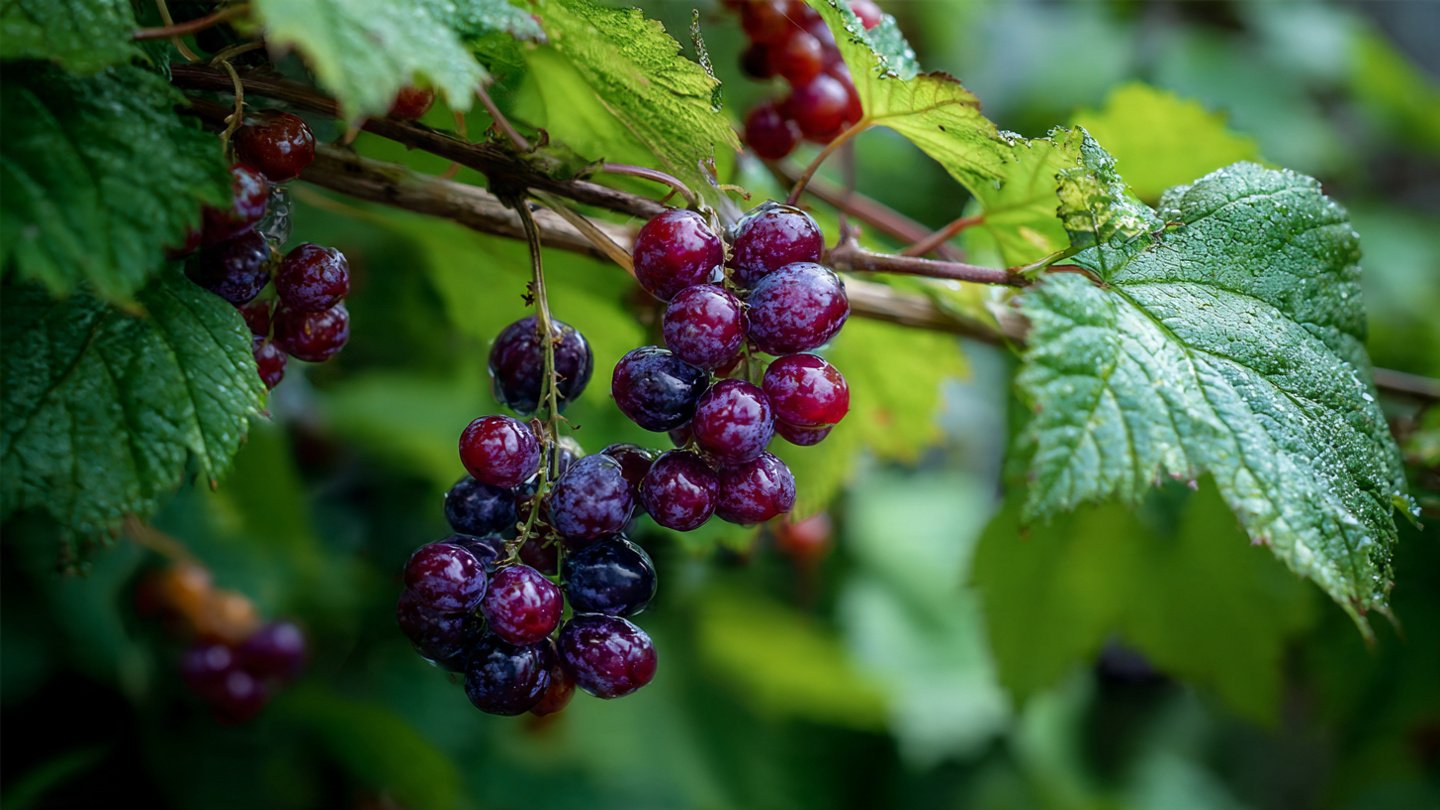
Berry plants like grapes, blackberries, raspberries, and kiwi are not only delicious but also highly rewarding for home gardeners. One of the keys to growing healthy, productive berry vines is proper support. A trellis allows vines to climb, ensures good air circulation, improves sunlight exposure, and makes harvesting much easier.
This comprehensive guide will walk you through everything you need to know to set up a successful berry vine trellis in your backyard garden, from choosing the right design to planting, training, and maintaining your vines.
Why Set Up a Trellis for Berry Vines?
Berry vines are naturally climbing plants. Without support, they can sprawl across the ground, which leads to:
- Poor air circulation and increased disease risk
- Reduced sunlight exposure for leaves and fruit
- Difficult harvesting
- Messy growth and damage to surrounding plants
A well-designed trellis keeps vines off the ground, maximizes yield, and makes garden maintenance easier.
Step 1: Choosing the Right Location
The success of your berry vine trellis starts with location.
Key considerations:
- Sunlight: Most berry vines need at least 6–8 hours of direct sunlight daily.
- Soil: Well-draining, fertile soil with a pH of 5.5–6.5 is ideal.
- Space: Ensure enough room for vines to spread—allow 2–3 feet between rows and 6–8 feet between trellis posts.
- Airflow: Avoid low-lying areas prone to frost or humidity; airflow reduces disease risk.
Choosing the right spot ensures healthy growth and high fruit production.
Step 2: Selecting a Trellis Design
Trellises come in various designs, and your choice depends on the type of berry, space availability, and aesthetic preference.
Common Trellis Designs:
- Single-Wire Trellis
- A single wire stretched between posts
- Ideal for lightweight vines like blueberries or small grape varieties
- Simple and low-cost
- Double-Wire Trellis
- Two horizontal wires at different heights
- Supports moderate vine growth and encourages lateral branching
- Works well for raspberries and blackberries
- Teepee or A-Frame Trellis
- Wires form a pyramid or tent shape
- Provides vertical support in smaller spaces
- Good for climbing kiwis or decorative vines
- Vertical Trellis with Multiple Wires
- Multiple wires spaced vertically along posts
- Ideal for heavy grape or blackberry vines
- Maximizes vertical growth and fruiting surface
Choose a design that fits your space, plant type, and long-term growth plans.
Step 3: Gathering Materials
Before building, make sure you have all materials on hand.
Materials Needed:
- Trellis posts: Wooden, metal, or PVC; at least 6–8 feet tall
- Trellis wires or strong cord: Galvanized wire recommended for durability
- Wire clips, nails, or U-hooks to secure wires
- Tensioning tools (optional for tight wire installation)
- Gravel or concrete (optional) for stabilizing posts
Strong, weather-resistant materials ensure your trellis lasts for years of berry production.
Step 4: Installing the Trellis
Step 4.1: Mark Post Positions
- Space posts 6–8 feet apart for sturdy support.
- Mark the first and last post, then evenly space intermediate posts.
Step 4.2: Set Posts Firmly
- Dig holes about 2–3 feet deep for each post.
- Place posts in holes and fill with soil, tamping down firmly.
- For extra stability, use gravel or concrete around the base.
Step 4.3: Attach Wires
- Stretch the wire horizontally between posts at the desired height.
- For multiple wires, space them 12–18 inches apart vertically.
- Use tensioners or turnbuckles to keep wires taut.
A strong trellis ensures your berry vines grow upright and support heavy fruit clusters.
Step 5: Planting Berry Vines
Once the trellis is ready, it’s time to plant.
Steps:
- Dig holes slightly larger than the root ball.
- Place the plant, ensuring the crown is at soil level.
- Backfill with soil and firm gently.
- Water thoroughly to settle soil and remove air pockets.
Tips:
- Space plants according to variety:
- Grapes: 6–8 feet apart
- Raspberries/Blackberries: 2–3 feet apart
- Kiwi: 6–10 feet apart
- Mulch around the base to retain moisture and suppress weeds.
Step 6: Training the Vines on the Trellis
Training your berry vines is essential to maximize fruiting and prevent tangled growth.
Basic Training Steps:
- Tie main stems loosely to the lower wire using garden twine or soft plant ties.
- Encourage lateral branches to grow along horizontal wires.
- Remove weak or downward-growing shoots.
- Prune annually to maintain shape and promote new growth.
Proper training ensures light reaches all leaves, reduces disease risk, and makes harvesting easier.
Step 7: Pruning and Maintenance
Pruning is a crucial part of trellis maintenance.
Tips for Pruning:
- Remove dead, damaged, or diseased wood first.
- Thin crowded branches to improve air circulation.
- For fruiting vines like grapes, prune back 1–2-year-old wood to encourage new fruiting canes.
- Raspberries and blackberries benefit from summer pruning to remove old fruiting canes.
Regular pruning keeps the trellis tidy and boosts fruit production.
Step 8: Watering and Fertilizing
Proper water and nutrient management help berry vines thrive on a trellis.
Watering Tips:
- Keep soil consistently moist, especially during flowering and fruiting.
- Avoid waterlogging, which can damage roots.
- Drip irrigation or soaker hoses work well with trellises.
Fertilizing Tips:
- Apply balanced fertilizer (NPK 10:10:10) at planting.
- Top-dress with compost annually for long-term health.
- Side-dress during fruiting season to support vigorous growth.
Well-nourished vines produce larger, juicier fruits.
Step 9: Pest and Disease Management
Trellised berry vines are less prone to disease, but vigilance is still needed.
Common Issues:
- Aphids and mites – spray with neem oil or insecticidal soap.
- Powdery mildew or fungal infections – ensure good airflow and prune affected branches.
- Birds and squirrels – use netting during fruiting season.
Maintaining a healthy, open trellis minimizes stress and disease on your plants.
Step 10: Harvesting Tips
Harvesting from a trellis is easier and cleaner.
- Grapes: Pick when fully colored and sweet
- Raspberries/Blackberries: Harvest when fully ripe and easily detachable
- Kiwi: Harvest in late autumn when firm and mature
Using a trellis reduces fruit contact with soil, keeping berries clean and less prone to rot.
Benefits of a Berry Vine Trellis
- Supports vertical growth, saving space
- Increases sunlight exposure and airflow
- Easier harvesting and maintenance
- Reduces fungal diseases and fruit rot
- Enhances garden aesthetics with climbing vines and fruit clusters
A well-constructed trellis turns your backyard into a productive and visually appealing berry garden.
Final Thoughts
Setting up a berry vine trellis may require some initial effort, but the long-term rewards are well worth it. With proper planning, sturdy construction, and regular training, your trellis will support healthy vines, abundant fruit, and a beautiful garden display.
Key Takeaways:
- Choose a sunny, well-drained location
- Select a trellis design that suits your space and plant type
- Use sturdy materials and secure posts
- Plant, train, and prune vines regularly
- Provide consistent water, nutrients, and pest control
By following this comprehensive guide, your backyard can become a lush, productive berry haven, providing fresh, homegrown fruits for years to come.
With patience, care, and the right trellis, even a small backyard can produce bountiful berries and become the envy of every gardener! 🍇🍓🌿