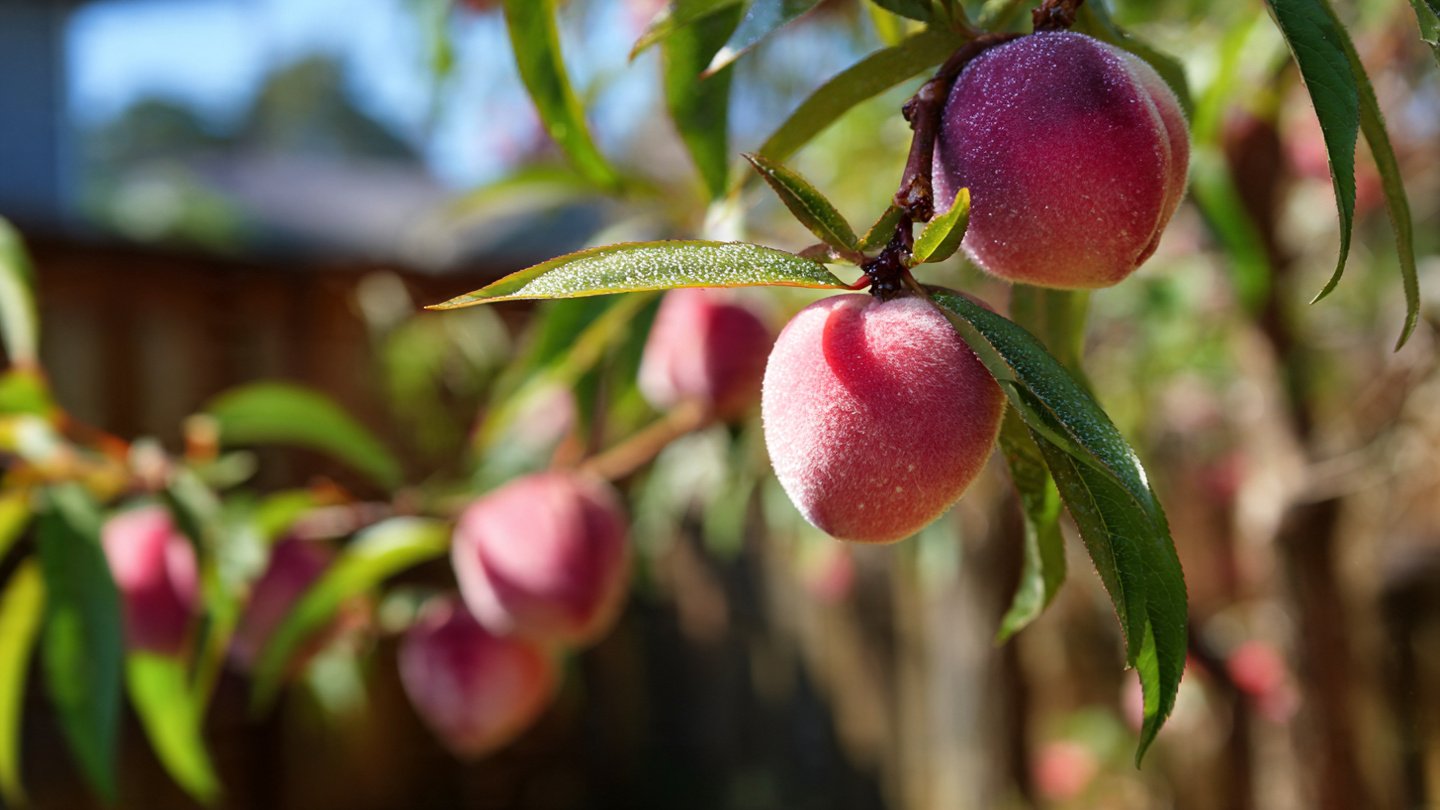
Growing a peach tree in your backyard is one of the most rewarding gardening projects you can take on. Few things compare to biting into a sun-ripened peach picked straight from your own tree—sweet, juicy, and bursting with flavor. While peach trees do require some care and attention, they are surprisingly manageable once you understand their needs. With the right planting techniques, proper pruning, and consistent maintenance, your backyard peach tree can produce abundant, high-quality fruit year after year.
This complete guide will walk you through everything you need to know to grow a healthy peach tree and maximize fruit production, even if you’re a beginner gardener.
Understanding Peach Tree Basics
Peach trees (Prunus persica) are deciduous fruit trees that thrive in temperate climates. They grow relatively fast and often begin producing fruit within two to four years after planting. Most peach varieties are self-fertile, meaning you only need one tree to get fruit, making them ideal for home gardens.
However, peach trees have specific requirements, particularly when it comes to sunlight, soil drainage, and winter chilling hours. Understanding these basics upfront will help you avoid common mistakes and set your tree up for long-term success.
Choosing the Right Peach Variety
Selecting the right variety is one of the most important decisions you’ll make. Peach trees are generally classified into freestone, clingstone, or semi-freestone types.
- Freestone peaches have flesh that separates easily from the pit and are great for fresh eating and baking.
- Clingstone peaches have flesh that clings to the pit and are often juicier, making them popular for preserves.
- Semi-freestone peaches offer a balance of both.
You should also consider your local climate. Peach trees require a certain number of chill hours—hours spent between 32°F and 45°F (0–7°C) during winter—to produce fruit properly. Low-chill varieties are best for warmer regions, while high-chill varieties suit colder climates.
Choose disease-resistant cultivars whenever possible to reduce maintenance and improve yield.
Selecting the Perfect Planting Location
Peach trees thrive in full sun. Choose a spot that receives at least 6–8 hours of direct sunlight daily, as insufficient light leads to poor flowering and reduced fruit quality.
Good air circulation is also important, as it helps prevent fungal diseases. Avoid planting peach trees in low-lying areas where cold air and frost tend to settle. Slightly elevated ground or gentle slopes are ideal.
Equally important is soil drainage. Peach trees hate “wet feet.” Poorly drained soil can cause root rot and stunt growth, so avoid areas where water pools after rain.
Preparing the Soil for Healthy Growth
Healthy soil is the foundation of optimal fruit production. Peach trees prefer well-draining, loamy soil with a slightly acidic pH between 6.0 and 6.5.
Before planting:
- Loosen the soil to a depth of at least 12–18 inches.
- Mix in compost or well-rotted organic matter to improve soil structure and fertility.
- If your soil is heavy clay, consider planting on a raised mound or berm to improve drainage.
A soil test can help you adjust pH and nutrient levels before planting, saving you problems later on.
Planting Your Peach Tree Correctly
The best time to plant peach trees is in early spring while the tree is dormant. Bare-root trees should be planted as soon as possible after purchase.
To plant:
- Dig a hole twice as wide as the root system and deep enough so the graft union sits a few inches above soil level.
- Spread the roots gently and avoid bending or crowding them.
- Backfill with native soil, firming it gently to remove air pockets.
- Water thoroughly after planting.
Mulch around the base of the tree with organic mulch, keeping it a few inches away from the trunk to prevent rot.
Watering for Strong Roots and Fruit Development
Consistent watering is essential, especially during the first two years. Young peach trees need regular moisture to establish deep, healthy roots.
- Water deeply once or twice a week, depending on weather and soil type.
- During hot, dry periods, increase watering frequency.
- Avoid shallow, frequent watering, which encourages weak root systems.
Once established, peach trees are moderately drought-tolerant, but proper watering during flowering and fruit development is crucial for juicy, well-sized peaches.
Fertilizing for Optimal Fruit Production
Peach trees are heavy feeders, but over-fertilizing can lead to excessive leaf growth at the expense of fruit.
In early spring:
- Apply a balanced fertilizer or one slightly higher in nitrogen.
- Organic options like composted manure or fish emulsion work well.
Avoid fertilizing late in the season, as this encourages new growth that can be damaged by cold weather. Always observe your tree—pale leaves and poor growth may indicate nutrient deficiencies.
Pruning: The Key to High Yields
Pruning is one of the most critical aspects of peach tree care. Peaches produce fruit on one-year-old wood, so regular pruning encourages new growth and better fruiting.
The open center (vase) shape is the preferred pruning style:
- Remove the central leader to allow sunlight into the canopy.
- Select 3–4 strong main branches spaced evenly around the trunk.
- Remove dead, damaged, or crossing branches annually.
Prune in late winter or early spring before new growth begins. Proper pruning improves air circulation, reduces disease, and results in larger, better-quality fruit.
Thinning Fruit for Bigger, Better Peaches
Peach trees often set more fruit than they can support. If left unthinned, the result is small, poor-quality peaches and stressed branches.
Once fruits reach about the size of a marble:
- Thin them to about 6–8 inches apart on each branch.
- Remove misshapen or damaged fruit first.
Though it may feel counterintuitive, thinning significantly improves fruit size, sweetness, and overall tree health.
Protecting Your Tree from Pests and Diseases
Peach trees are susceptible to pests like aphids, borers, and fruit moths, as well as diseases such as peach leaf curl and brown rot.
Preventive care includes:
- Regular pruning and sanitation
- Removing fallen fruit and leaves
- Applying dormant oil sprays in winter
- Using organic fungicides if necessary
Healthy trees are naturally more resistant, so proper watering, fertilizing, and pruning go a long way toward minimizing problems.
Harvesting Peaches at Peak Ripeness
Peaches do not continue ripening once picked, so timing is everything. A ripe peach will:
- Have full color with no green near the stem
- Yield slightly to gentle pressure
- Emit a strong, sweet aroma
Harvest carefully by twisting the fruit gently from the branch. Handle peaches gently, as they bruise easily.
Final Thoughts
Growing a backyard peach tree takes patience, but the rewards are well worth the effort. With the right variety, proper care, and consistent maintenance, your tree can provide baskets of delicious fruit for many years. By focusing on good soil preparation, smart pruning, proper watering, and timely thinning, you’ll set your peach tree up for optimal fruit production and long-term health.