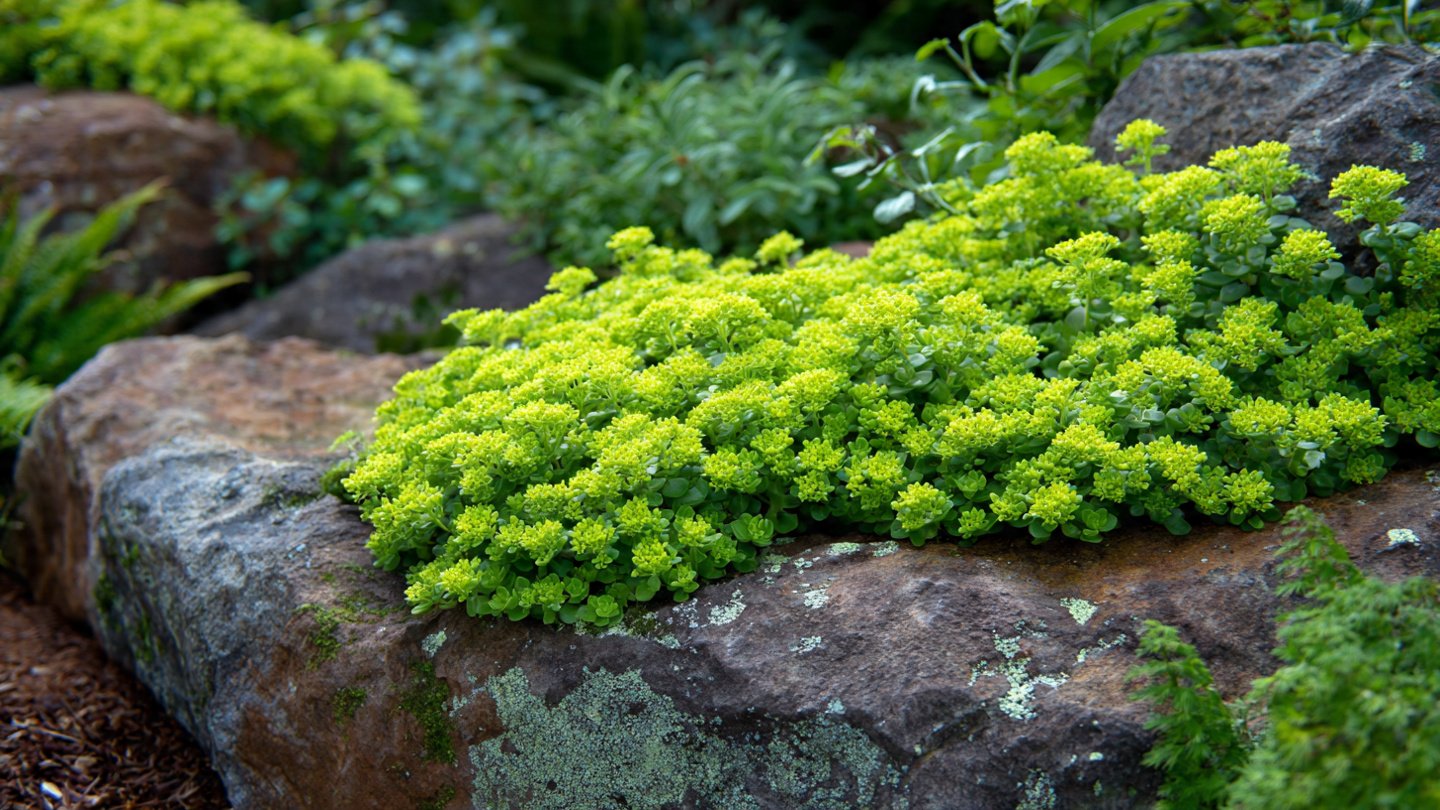
Rock gardens are admired for their natural beauty, low maintenance, and ability to thrive in challenging conditions. Among the many plants that complement rock gardens perfectly, sedum ground cover stands out as one of the best choices. Known for its succulent leaves, vibrant colors, and resilience, sedum transforms rocky landscapes into lush, living carpets with minimal effort.
This complete guide will walk you through everything you need to know about growing sedum ground cover in your rock garden—from choosing the right varieties and preparing the soil to planting, care, propagation, and long-term maintenance.
Why Sedum Is Perfect for Rock Gardens
Sedum, also known as stonecrop, is a drought-tolerant succulent that thrives in poor soils and sunny locations—exactly the conditions most rock gardens offer. Its shallow root system allows it to spread easily between rocks, while its thick leaves store water, helping the plant survive dry spells.
Key benefits of sedum ground cover include:
- Extremely low maintenance
- Excellent drought tolerance
- Attractive foliage and seasonal flowers
- Erosion control on slopes
- Pollinator-friendly blooms
- Year-round visual interest in many climates
These qualities make sedum an ideal plant for beginners and experienced gardeners alike.
Understanding Sedum Varieties for Ground Cover
Not all sedums grow the same way. For rock gardens, low-growing or creeping sedum varieties are the best choice.
Popular Sedum Ground Cover Types
- Sedum acre (Goldmoss Stonecrop): Bright yellow flowers, fast-spreading, excellent for sunny areas
- Sedum spurium (Two-row Stonecrop): Dense mats with pink or red flowers and colorful foliage
- Sedum album (White Stonecrop): Small white flowers and green foliage that turns red in cool weather
- Sedum reflexum (Blue Spruce Sedum): Needle-like blue-green leaves with yellow flowers
- Sedum sexangulare: Compact growth with bright yellow blooms
Mixing different varieties adds texture, color contrast, and extended blooming periods to your rock garden.
Choosing the Right Location
Sedum thrives when planted in the correct location. Rock gardens naturally provide many of the conditions sedum loves.
Ideal Growing Conditions
- Sunlight: Full sun is best (6–8 hours daily). Some sedum varieties tolerate partial shade but bloom better in sun.
- Drainage: Excellent drainage is critical. Sedum does not tolerate standing water.
- Airflow: Good airflow helps prevent fungal issues, especially in humid climates.
Avoid planting sedum in low spots where water tends to collect.
Preparing the Soil for Sedum
One of the biggest advantages of sedum is its ability to grow in poor soil. However, proper preparation ensures faster establishment and healthier plants.
Best Soil Mix
- Sandy or gravelly soil
- Low organic matter
- Neutral to slightly acidic pH (6.0–7.0)
How to Prepare Rock Garden Soil
- Remove weeds and debris from planting areas
- Loosen soil to improve root penetration
- Mix in coarse sand, gravel, or crushed stone for drainage
- Avoid rich compost or manure, which can cause leggy growth
Sedum prefers lean soil—too much fertility reduces its natural compact form.
Planting Sedum Ground Cover
Sedum is easy to plant and establishes quickly when done correctly.
When to Plant
- Spring: Ideal for quick establishment
- Early fall: Works well in mild climates
Avoid planting during extreme heat or freezing temperatures.
How to Plant
- Dig shallow holes slightly wider than the root ball
- Place sedum so the crown sits level with the soil
- Gently firm soil around the roots
- Water lightly after planting
Space plants 6–12 inches apart depending on variety, allowing room for spreading.
Watering Requirements
Sedum is drought-tolerant once established, but young plants need some attention.
Watering Guidelines
- Water regularly during the first 2–3 weeks
- Reduce watering once plants are established
- Water only when soil is completely dry
- Avoid overhead watering in humid climates
Overwatering is the most common cause of sedum failure. When in doubt, water less.
Mulching and Weed Control
Rock gardens naturally suppress weeds, but young sedum plants still benefit from protection.
Mulch Options
- Gravel
- Small stones
- Crushed granite
These materials improve drainage, reflect heat, and keep weeds at bay without trapping moisture like organic mulch.
Fertilizing Sedum (Less Is More)
Sedum rarely needs fertilizer. In fact, too much feeding can weaken the plant.
Fertilizer Tips
- Skip fertilizer entirely in most cases
- If needed, apply a very light, balanced fertilizer once in spring
- Avoid high-nitrogen products
Healthy sedum grows best when left largely alone.
Seasonal Care and Maintenance
Sedum requires minimal upkeep, making it perfect for low-maintenance landscapes.
Spring
- Remove winter debris
- Trim damaged or leggy growth
- Divide overcrowded plants if needed
Summer
- Enjoy blooms and foliage
- Water only during prolonged drought
Fall
- Allow plants to harden naturally
- Enjoy color changes in foliage
Winter
- Leave plants intact for winter interest
- Avoid cutting back until spring
Many sedum varieties provide beautiful winter texture, especially under frost or light snow.
Propagating Sedum Easily
Sedum is one of the easiest plants to propagate.
Propagation Methods
- Cuttings: Snip a healthy stem and place it directly into soil
- Division: Split mature clumps in spring or fall
- Leaf propagation: Place leaves on soil and allow roots to form
Sedum cuttings root quickly, making it easy to fill gaps in your rock garden at no cost.
Common Problems and How to Fix Them
Sedum is generally pest- and disease-resistant, but occasional issues can arise.
Common Issues
- Root rot: Caused by poor drainage
- Leggy growth: Too much shade or fertilizer
- Aphids: Rare but manageable with water spray or neem oil
Maintaining proper sun exposure and drainage prevents most problems.
Designing a Stunning Sedum Rock Garden
Sedum pairs beautifully with other drought-tolerant plants.
Companion Plants
- Ornamental grasses
- Thyme
- Ice plant
- Lavender
- Sempervivum (hens and chicks)
Use sedum to soften hard edges, cascade over rocks, and create color transitions throughout the garden.
Long-Term Benefits of Sedum Ground Cover
Once established, sedum offers years of beauty with minimal care.
Long-term advantages include:
- Reduced watering needs
- Natural weed suppression
- Improved soil stability
- Increased pollinator activity
- Year-round visual appeal
Sedum ground cover becomes more attractive with time, forming dense mats that enhance the natural look of rock gardens.
Conclusion
Growing sedum ground cover in your rock garden is one of the smartest landscaping choices you can make. With its rugged beauty, adaptability, and minimal care requirements, sedum thrives where many other plants struggle. By choosing the right varieties, preparing well-draining soil, and following simple care practices, you can create a vibrant, long-lasting rock garden that looks stunning in every season.
Whether you’re designing a new rock garden or enhancing an existing one, sedum offers an effortless way to add texture, color, and life to your outdoor space—while keeping maintenance refreshingly simple.