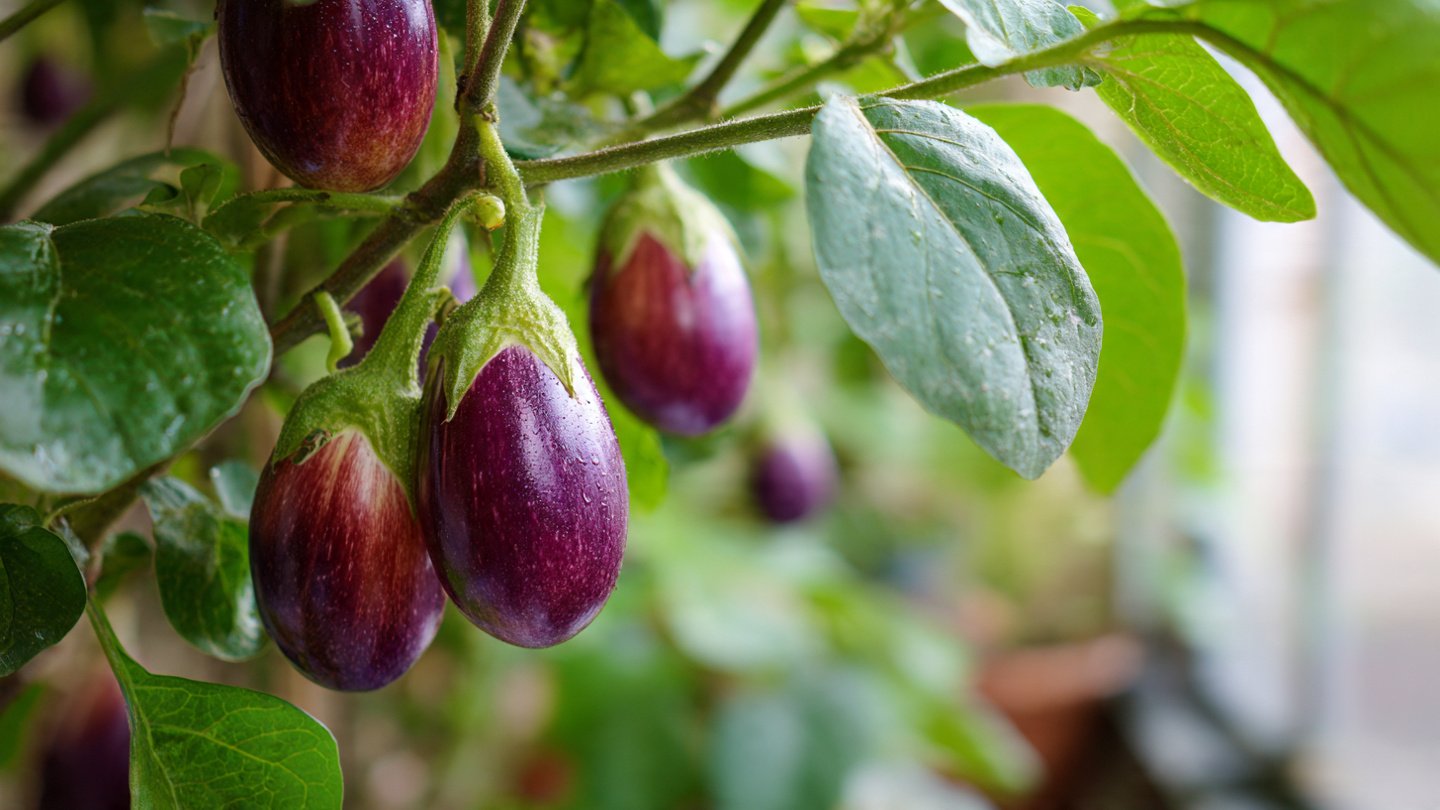
Growing eggplants (brinjals) on a balcony is not only possible—it can be incredibly productive and visually stunning. With glossy green leaves, elegant purple flowers, and vibrant fruits, eggplants are as ornamental as they are delicious. When grown correctly in containers, they can thrive year-round, even in limited urban spaces.
This guide introduces a beautiful, space-efficient balcony method that combines smart container choices, proper care, and seasonal techniques to enjoy continuous eggplant harvests throughout the year.
Why Eggplants Are Perfect for Balcony Gardening
Eggplants adapt exceptionally well to container growing, making them ideal for balconies, terraces, and patios.
Key advantages:
- Compact root system
- Long fruiting period
- High yield per plant
- Attractive foliage and flowers
- Suitable for pots and grow bags
With the right method, one or two plants can supply a steady harvest for months.
Choosing the Right Eggplant Variety
For year-round balcony growing, variety selection is crucial.
Best Varieties for Containers
- Compact or dwarf varieties (ideal for small spaces)
- Long-fruited types for continuous harvesting
- Round or mini eggplants for decorative appeal
Popular container-friendly types include:
- Long purple brinjal
- Thai eggplant
- Japanese eggplant
- Round green or striped varieties
Choose varieties known for extended fruiting rather than single heavy harvests.
The Balcony Container Method Explained
The key to year-round eggplant success is controlled root space with rich nutrition.
Ideal Container Size
- Minimum: 12–14 inches wide and deep
- Ideal: 15–18 inches for long-term growth
- Material: Clay, ceramic, plastic, or fabric grow bags
Ensure containers have excellent drainage holes to prevent root rot.
Creating the Perfect Potting Mix
Eggplants are heavy feeders and need nutrient-rich, well-draining soil.
Balcony Potting Mix Recipe
- 40% garden soil or coco peat
- 30% well-rotted compost or vermicompost
- 20% sand or perlite (for drainage)
- 10% aged manure
Optional boosters:
- Neem cake for pest prevention
- Bone meal for flowering support
- Wood ash (small amount) for potassium
This mix supports strong roots and consistent flowering.
Sunlight: The Most Important Factor
Eggplants love sunlight.
Sun Requirements
- 6–8 hours of direct sunlight daily
- Morning sun is ideal
- South- or west-facing balconies work best
If sunlight is limited:
- Use reflective surfaces
- Rotate pots weekly
- Prune lightly to expose inner leaves
Insufficient light leads to flowers dropping and weak fruiting.
Planting and Transplanting
From Seeds
- Start seeds in small trays
- Transplant when seedlings have 4–5 true leaves
From Nursery Saplings
- Choose healthy, pest-free plants
- Transplant gently to avoid root damage
Water immediately after planting and keep the soil slightly moist for the first week.
Watering for Continuous Production
Balcony plants dry faster than ground-grown plants.
Watering Guidelines
- Water deeply until excess drains out
- Frequency: Once daily in summer, every 2–3 days in cooler months
- Avoid waterlogging
- Water early morning or evening
Inconsistent watering is a major cause of:
- Flower drop
- Bitter fruits
- Misshapen eggplants
Feeding Schedule for Year-Round Harvests
Eggplants require regular feeding to keep producing.
Weekly Nutrition Plan
- Every 10–15 days: Liquid compost tea or vermiwash
- Monthly: Top dress with compost
- During flowering: Potassium-rich feed (banana peel tea or wood ash solution)
Avoid excess nitrogen—it causes leaf growth but reduces flowers.
Supporting and Pruning for Beauty and Yield
Staking
Eggplants become heavy once fruiting starts.
- Use bamboo sticks or decorative stakes
- Tie stems loosely with soft ties
Pruning Tips
- Remove yellow or damaged leaves
- Trim excess side shoots if overcrowded
- Pinch early flowers once to encourage branching
Pruned plants look neater and produce more fruit.
Encouraging Flowers and Preventing Drop
Flower drop is common in container eggplants but preventable.
Causes
- Heat stress
- Poor pollination
- Nutrient imbalance
- Irregular watering
Solutions
- Light misting during hot days
- Gentle hand pollination using a soft brush
- Balanced feeding
- Consistent moisture
Healthy flowers lead to beautifully shaped fruits.
Managing Pests Organically on Balconies
Eggplants can attract pests, even on high floors.
Common Balcony Pests
- Aphids
- Spider mites
- Whiteflies
- Mealybugs
Organic Control
- Neem oil spray every 10–14 days
- Soap water spray for aphids
- Wipe leaves with damp cloth weekly
- Introduce companion plants like basil or marigold
Early detection is key to year-round success.
Seasonal Adjustments for Continuous Growth
Summer
- Provide shade during extreme heat
- Water more frequently
- Increase potassium feeding
Monsoon / Rainy Season
- Improve drainage
- Protect from strong winds
- Watch for fungal diseases
Winter
- Move pots to sunnier spots
- Reduce watering
- Use organic mulch to retain warmth
In mild climates, eggplants can fruit throughout winter with protection.
Harvesting for Continuous Production
Harvesting correctly encourages new fruiting.
Harvest Tips
- Pick fruits when glossy and firm
- Do not allow fruits to over-mature
- Use a sharp knife or scissors
Frequent harvesting signals the plant to produce more flowers and fruits.
Making Eggplants a Balcony Design Feature
Eggplants can be part of your balcony’s aesthetic.
Design ideas:
- Color-coordinated pots
- Grow alongside flowering herbs
- Use vertical stands for layered greenery
- Mix purple eggplants with green foliage plants
Their flowers and fruits add charm while remaining productive.
How Long Can One Eggplant Plant Produce?
With good care:
- One plant can fruit for 8–12 months
- Regular feeding and pruning extend lifespan
- Replace plants annually for best productivity
Year-round growing becomes easy once the system is established.
Common Mistakes to Avoid
- Using small containers
- Overwatering
- Ignoring sunlight needs
- Excess nitrogen fertilizer
- Skipping pest checks
Avoiding these ensures healthy, beautiful plants.
Conclusion
Growing eggplants on a balcony is a perfect blend of beauty and productivity. With the right container, nutrient-rich soil, proper sunlight, and consistent care, you can enjoy fresh eggplants year-round, even in limited urban spaces.
This balcony method not only provides a steady harvest but also transforms your outdoor space into a lush, edible garden. Whether you’re a beginner or an experienced gardener, eggplants reward your effort with vibrant foliage, delicate flowers, and delicious fruits—all while enhancing your balcony’s charm.
With patience and simple maintenance, your balcony can become a year-round eggplant oasis.