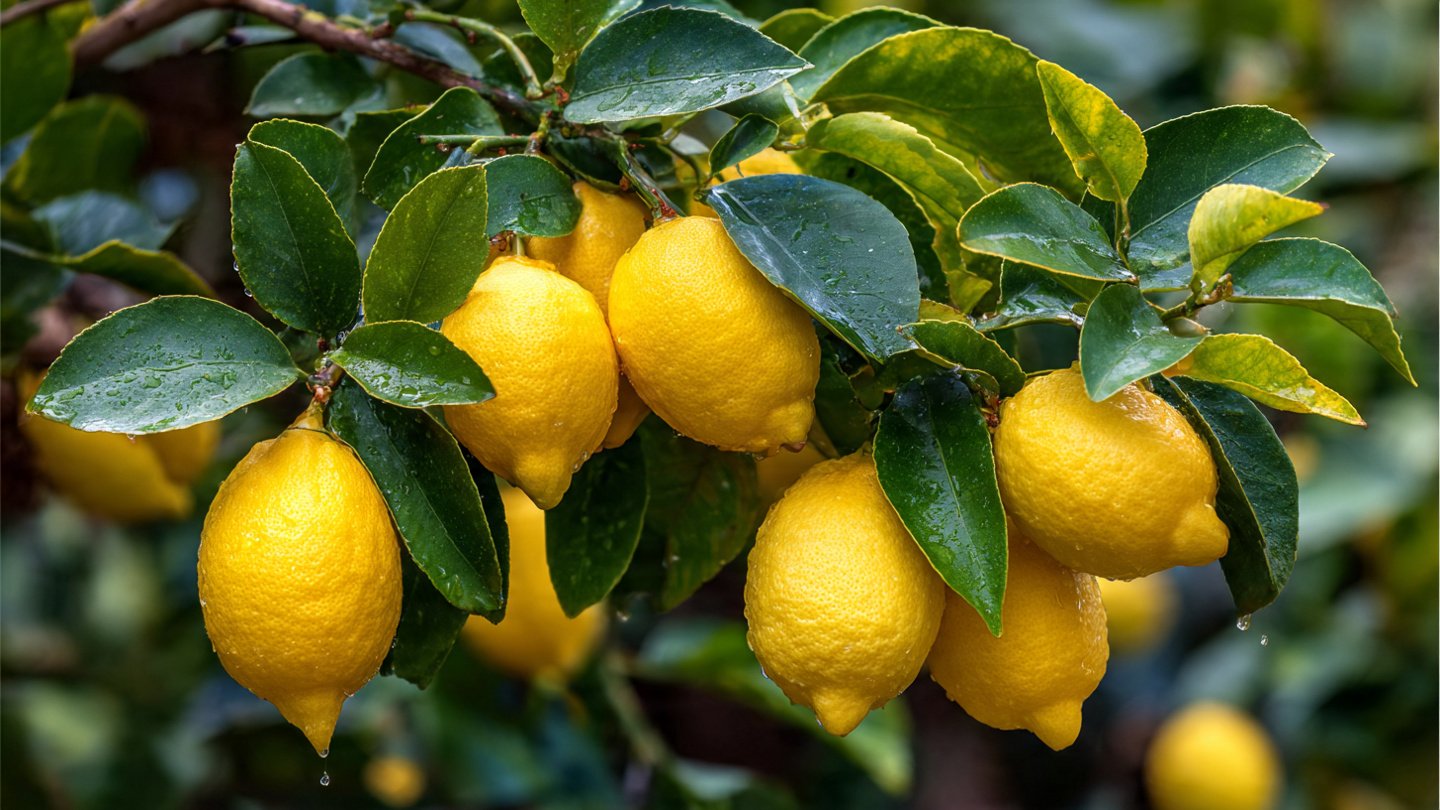
Lemon trees are more than just a citrus plant—they’re a symbol of sunshine, freshness, and homegrown flavor. Imagine taking a lemon from your kitchen, planting its seeds, and nurturing it into a full-fledged tree that eventually bears fruit. It sounds like a long, complicated process, but with patience, care, and the right techniques, growing a lemon tree from a lemon fruit is entirely achievable, even for beginner gardeners. This guide will walk you step by step, from kitchen to garden, to help you turn a simple lemon into a thriving homegrown tree.
Why Grow a Lemon Tree from a Lemon Fruit?
Growing a lemon tree from seeds offers several advantages:
- Cost-Effective: You don’t need to buy seedlings or saplings; every lemon fruit contains potential new life.
- Sustainable: It’s a perfect way to recycle kitchen scraps and reduce waste.
- Educational: Watching a seed grow into a tree is a rewarding experience, especially for children.
- Personal Satisfaction: There’s a unique joy in nurturing a plant from the very beginning and eventually harvesting your own lemons.
While lemon trees grown from seeds take longer to fruit than grafted nursery trees, the process is fulfilling and provides a deeper connection to your garden.
Step 1: Selecting the Right Lemon Fruit
Not every lemon is ideal for planting. Start with a fresh, healthy, and preferably organic lemon, as store-bought fruits may be treated with chemicals that inhibit seed germination.
Tips for Choosing a Lemon:
- Pick one that is ripe and plump.
- Avoid lemons with blemishes, mold, or shriveled skin.
- If possible, use organic lemons to ensure the seeds are viable and chemical-free.
Step 2: Extracting and Preparing the Seeds
Once you have your lemon, it’s time to harvest the seeds.
How to Extract Seeds:
- Slice the lemon and remove the seeds carefully.
- Rinse the seeds under lukewarm water to remove pulp and juice.
- Optional: Soak seeds in water for a few hours to soften the seed coat.
Seed Preparation:
- Remove the outer white membrane gently without damaging the seed. This can improve germination rates.
- Let the seeds dry for a few hours on a paper towel. Avoid prolonged drying, as seeds may lose viability.
Step 3: Germinating Lemon Seeds
Germination is the first step toward growing a lemon tree.
Materials Needed:
- Seed-starting tray or small pots
- Well-draining potting mix (a mix of peat, sand, and compost works well)
- Clear plastic cover or plastic bag
Steps to Germinate:
- Plant seeds about ½ inch deep in the potting mix.
- Water lightly to moisten the soil.
- Cover with a clear plastic bag or lid to retain humidity.
- Place the tray or pot in a warm, sunny location (70–75°F / 21–24°C is ideal).
- Keep soil consistently moist but not waterlogged.
Germination can take 2–4 weeks, so patience is key. During this time, check daily for moisture and sprouting.
Step 4: Caring for Seedlings
Once seeds sprout, they require tender care to grow into strong saplings.
1. Light:
Seedlings need 12–16 hours of sunlight daily. If indoors, place them near a south-facing window or use grow lights.
2. Watering:
- Keep the soil lightly moist but avoid overwatering.
- Overly wet soil can cause root rot, while dry soil can stunt growth.
3. Thinning:
If multiple seedlings sprout in one pot, thin to the strongest one to reduce competition.
4. Fertilizing:
- Use a gentle liquid fertilizer every 2–3 weeks.
- High-nitrogen fertilizer encourages leafy growth, essential for the early development stage.
Step 5: Transplanting Seedlings
When seedlings develop 3–4 sets of true leaves and are strong enough to handle, they can be transplanted into larger pots or your garden.
Steps for Transplanting:
- Choose a container at least 12 inches in diameter for initial growth.
- Use well-draining potting soil, enriched with compost.
- Gently remove the seedling from its initial container, keeping the root ball intact.
- Plant at the same depth as before and water lightly.
Pro Tip: Transplant gradually to outdoor conditions if moving the plant to the garden. Start with a few hours of sunlight per day, gradually increasing exposure over a week.
Step 6: Growing Lemon Trees in Containers vs. Ground
Lemon trees can grow both in pots or directly in the garden, depending on your space and climate.
Container Growing:
- Ideal for limited space or colder climates.
- Use large pots with drainage holes.
- Bring indoors or protect during winter if frost occurs.
In-Ground Growing:
- Choose a sunny spot with well-draining soil.
- Space trees at least 8–10 feet apart for full growth.
- Mulch around the base to retain moisture and regulate soil temperature.
Step 7: Watering and Fertilizing Mature Lemon Trees
Watering and feeding are critical for growth and fruit production.
Watering:
- Lemon trees need deep watering once or twice a week, depending on climate.
- Avoid letting the soil dry out completely.
Fertilizing:
- Feed young trees every 6–8 weeks with a balanced citrus fertilizer.
- For mature trees, increase fertilizer during the growing season to encourage fruit development.
- Include micronutrients like magnesium and iron to prevent yellowing leaves.
Step 8: Pruning and Training
Pruning shapes the tree, improves air circulation, and encourages strong fruit-bearing branches.
Pruning Tips:
- Remove weak, crossing, or damaged branches.
- Trim lightly to maintain a manageable height, especially for container-grown trees.
- Avoid heavy pruning during fruiting season to prevent stress.
Training the tree to a central leader or open vase shape helps sunlight reach all parts, improving fruit quality.
Step 9: Dealing with Pests and Diseases
Lemon trees can be affected by common pests such as aphids, spider mites, and scale insects. Diseases like root rot, citrus canker, and powdery mildew can also appear.
Organic Management Techniques:
- Inspect leaves regularly and remove affected areas.
- Spray with neem oil or mild insecticidal soap for pest control.
- Ensure proper spacing and airflow to prevent fungal diseases.
- Avoid overwatering, which can encourage root rot.
Step 10: Patience and Fruiting
One of the most important lessons in growing lemon trees from seeds is patience. Unlike grafted trees that fruit in 1–2 years, seed-grown trees may take 3–6 years to bear fruit.
During this time, focus on:
- Healthy growth and leaf development
- Strong root systems
- Gradual acclimatization to outdoor conditions
When the tree finally flowers and fruits, the sense of achievement is unparalleled—you’ve grown lemons from your kitchen to your garden!
Seasonal Care for Lemon Trees
Spring:
- Fertilize, prune, and plant new seedlings.
- Begin pest monitoring.
Summer:
- Maintain consistent watering.
- Mulch to conserve moisture.
- Thin fruits if too many develop to prevent small or underdeveloped lemons.
Fall:
- Reduce watering gradually.
- Protect young trees from cold nights.
Winter:
- For container-grown trees, move indoors or provide frost protection.
- Avoid fertilizing during dormancy.
Benefits of Growing a Lemon Tree from a Lemon Fruit
- Sustainability: Recycle kitchen waste into productive garden plants.
- Fresh Produce: Enjoy chemical-free, homegrown lemons for cooking, drinks, and garnishing.
- Educational Value: Observe the full life cycle of a plant from seed to fruit.
- Aesthetic Appeal: Lemon trees add greenery, fragrance, and even flowers to your home or garden.
- Cost Savings: No need to buy nursery plants—your kitchen lemons provide the starting point.
Final Thoughts
Growing a lemon tree from a lemon fruit may take patience, but it’s one of the most rewarding gardening projects you can undertake. From carefully extracting seeds to nurturing seedlings, transplanting, and eventually harvesting fruit, every step builds a connection to your garden and your food.
Whether you have a sunny window sill, a backyard garden, or a cozy balcony, you can turn kitchen lemons into a thriving lemon tree, bringing freshness, fragrance, and flavor into your life. With consistent care, proper watering, fertilizing, and protection from pests, your lemon tree can become a centerpiece of your home garden, providing fruit and beauty for years to come.
Start with one seed today, and soon you may find yourself plucking a juicy, sun-kissed lemon, all from a fruit that once sat on your kitchen counter. 🌿🍋