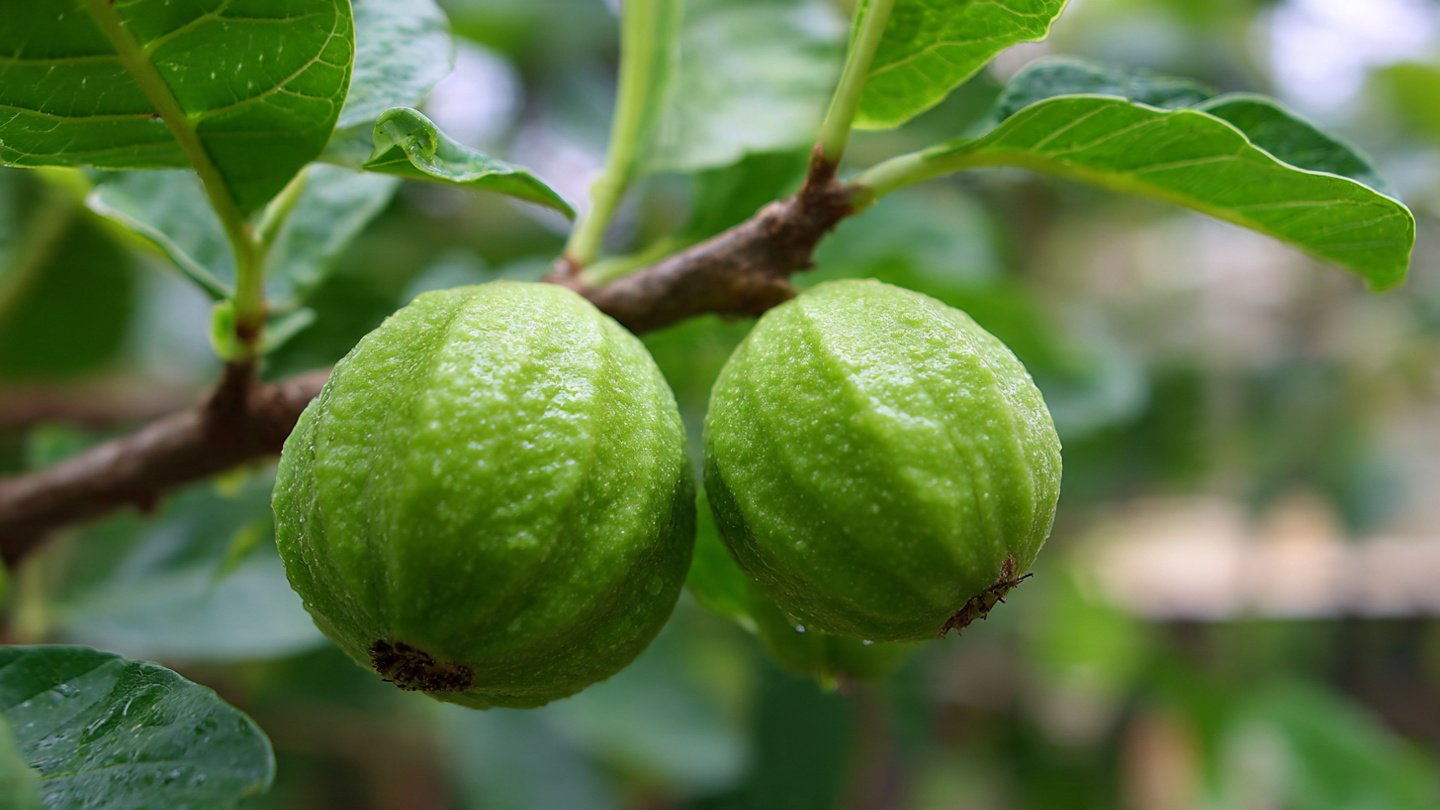
Guava is a tropical fruit loved for its sweet aroma, juicy flesh, and high nutritional value. For home gardeners and commercial growers alike, growing guava trees that bear fruit quickly and abundantly is a top priority. While traditional propagation methods like seeds can take years to produce fruit, grafting has emerged as a game-changing technique to accelerate growth and improve yield.
In recent years, innovative grafting methods and techniques have transformed guava cultivation. These new approaches not only shorten the time to fruiting but also produce stronger, more disease-resistant trees with superior fruit quality. In this article, we’ll explore revolutionary grafting techniques for guava, step-by-step instructions, and tips to maximize growth and yield.
Why Grafting Guava Trees Is Essential
Grafting is a horticultural technique that joins two plant parts: the rootstock (the base plant) and the scion (the desired fruiting variety). The resulting plant inherits the rootstock’s strength and the scion’s fruiting characteristics.
Benefits of Grafting Guava:
- Faster Fruit Production: Grafted guava trees can bear fruit within 2–3 years, compared to 5–8 years from seeds.
- Better Fruit Quality: Grafting ensures uniformity in fruit size, flavor, and color.
- Disease Resistance: Using disease-tolerant rootstock reduces susceptibility to soil-borne pathogens.
- Dwarfing Effect: Certain rootstocks can control tree size, making harvesting easier.
- Multiple Varieties: Some grafting techniques allow multiple guava varieties on a single tree.
In short, grafting is the most reliable way to produce high-quality guava fruits faster while ensuring tree vigor and longevity.
Traditional vs. Modern Grafting Techniques
Historically, guava grafting relied on methods like approach grafting and cleft grafting, which, while effective, often had variable success rates. New techniques have improved survival rates, uniformity, and speed of growth.
1. Cleft Grafting (Traditional)
- Involves cutting the rootstock and inserting the scion into a cleft.
- Requires careful alignment of cambium layers.
- Success depends heavily on season and skill.
2. Side Veneer Grafting (Modern)
- A more precise method, especially for young rootstocks.
- The scion is cut into a thin wedge and inserted into a matching cut on the side of the rootstock.
- Offers faster healing and higher success rates.
3. Tongue Grafting (Innovative)
- Both scion and rootstock are cut with matching “tongues” that lock together.
- Promotes strong union and early fruiting.
- Less prone to displacement due to wind or handling.
4. Micro-Grafting (Revolutionary)
- Involves grafting in controlled environments like greenhouses.
- Uses smaller scions on young seedlings.
- Reduces disease risk and ensures high survival rates.
- Particularly useful for commercial nurseries aiming for uniform, early-bearing trees.
These newer methods allow growers to achieve faster growth, better establishment, and higher yield compared to older techniques.
Step-by-Step Guide to Grafting Guava for Faster Growth
Materials Needed:
- Healthy rootstock (1-year-old guava seedling recommended)
- Scion from a superior guava variety (preferably 1-year-old wood)
- Sharp knife or grafting blade
- Grafting tape or parafilm
- Pruning shears
- Wax or sealant for graft union
Step 1: Select Rootstock and Scion
- Choose a healthy rootstock with a strong root system.
- Select a scion with 2–3 buds, free from disease or damage.
Step 2: Prepare the Rootstock
- Trim the rootstock about 15–20 cm above soil level.
- Make a vertical slit (for cleft grafting) or a diagonal cut (for side veneer grafting) on the stem.
Step 3: Prepare the Scion
- Cut the bottom end of the scion into a wedge or tongue shape depending on the grafting method.
- Ensure the cambium layer is exposed for proper fusion.
Step 4: Join Scion and Rootstock
- Insert the scion into the prepared cut of the rootstock.
- Align the cambium layers carefully; this is critical for successful grafting.
- Wrap tightly with grafting tape or parafilm to hold the union in place.
Step 5: Seal the Graft
- Apply wax or sealant to prevent moisture loss and protect against pests.
- Keep the plant in partial shade for 2–3 weeks to reduce stress.
Step 6: Care After Grafting
- Water regularly, keeping soil moist but not waterlogged.
- Remove side shoots that emerge below the graft to direct energy to the scion.
- Remove the tape after 4–6 weeks once the graft has fused.
Following these steps carefully increases survival rates to over 85% for modern grafting techniques.
Tips for Faster Growth and Higher Yield
- Choose Disease-Resistant Rootstock – Prevents soil-borne issues that stunt growth.
- Use Young Scions – One-year-old scions grafted onto vigorous rootstock grow faster.
- Optimal Grafting Season – Pre-monsoon or early spring is ideal for tropical regions.
- Protect From Extreme Conditions – Shade nets or greenhouse conditions prevent sun scorch and water stress.
- Prune Strategically – Trim lateral shoots to focus energy on the scion’s growth.
- Fertilize Appropriately – Balanced fertilizers with nitrogen, phosphorus, potassium, and micronutrients boost early development.
These care practices complement grafting and ensure rapid establishment and fruiting.
Advantages of Newer Grafting Techniques
The latest methods like side veneer, tongue, and micro-grafting offer several advantages over traditional grafting:
- Higher Success Rate: Modern methods reduce failure due to environmental stress or misalignment.
- Faster Fruit Bearing: Many grafted trees produce fruit within 2 years, compared to 5 years for seed-grown trees.
- Uniformity: Ensures trees in a plantation or home garden produce consistent fruit quality.
- Pest and Disease Resistance: Grafted plants are more resilient and adaptable.
- Flexibility: Multiple varieties can be grafted onto a single rootstock for diversity.
These advantages make grafting a revolutionary practice for modern guava cultivation.
Common Challenges and How to Overcome Them
Even with improved techniques, grafting guava has its challenges:
1. Graft Failure
- Cause: Poor cambium alignment, water stress, or infection.
- Solution: Ensure proper alignment, maintain humidity, and protect from pests.
2. Scion Drying Out
- Cause: High temperatures or insufficient sealing.
- Solution: Wrap with parafilm or grafting tape and provide shade.
3. Pest Infestation
- Cause: Aphids, mites, or ants on tender graft sites.
- Solution: Regular monitoring and use of organic insecticides or neem oil.
By anticipating these issues, you can increase graft success rates significantly.
Expanding Grafting Techniques for Commercial Plantations
Modern grafting has implications beyond home gardening:
- High-Density Planting: Smaller, faster-growing trees can be planted closer together, increasing yield per acre.
- Controlled Variety Management: Commercial growers can produce uniform fruits ideal for markets and processing.
- Faster Returns on Investment: Early fruiting reduces the waiting period and improves profitability.
- Sustainable Practices: Use of disease-resistant rootstock minimizes chemical interventions.
Grafting revolutionizes guava cultivation, making it more efficient, productive, and economically viable.
Final Thoughts
Grafting guava trees is no longer a niche skill—it’s a powerful, modern technique that enables faster growth, better fruit quality, and higher yields. With innovative methods like side veneer, tongue, and micro-grafting, gardeners can achieve results that were once only possible with years of trial and error.
By choosing healthy rootstock, preparing scions carefully, and following precise grafting steps, you can establish strong, productive trees in a fraction of the time it takes with seeds. Complemented by proper care, pruning, fertilization, and pest management, grafted guava trees become a thriving, high-yielding addition to any garden or orchard.
Whether you are a hobbyist or a commercial grower, embracing these revolutionary grafting techniques ensures early fruiting, resilient trees, and abundant harvests. For anyone passionate about guava cultivation, grafting isn’t just a method—it’s a game changer.