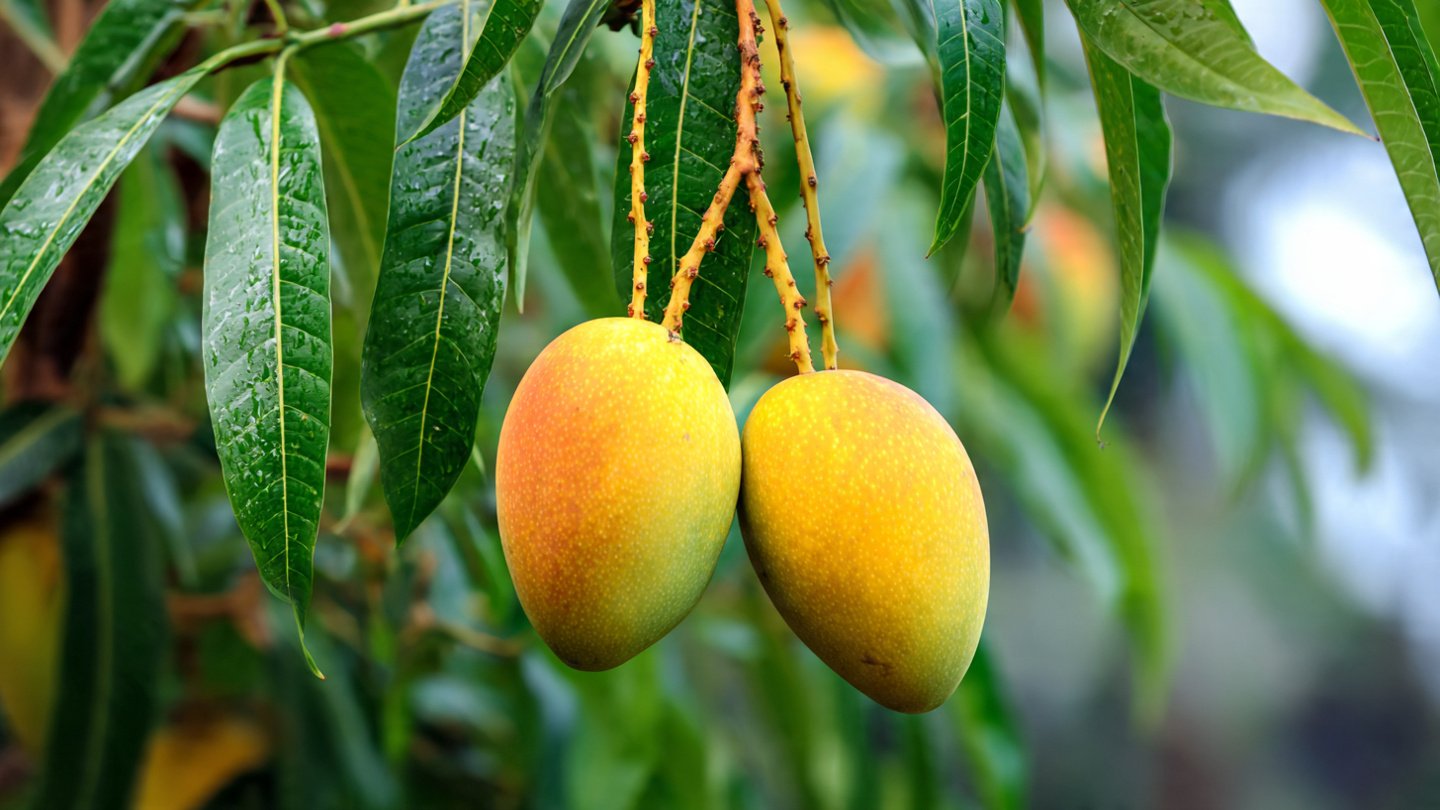
Mangoes are often called the “king of fruits” for good reason. Their juicy, fragrant flesh is a treat for the taste buds, and a mature mango tree can be a beautiful, shade-giving addition to your garden. But did you know you don’t need to buy expensive saplings to grow your own mango tree? With a simple, practical technique using ripe mangoes, you can propagate mango trees at home and enjoy fresh mangoes right from your backyard in a few years.
In this guide, we’ll walk you through every step of propagating mango trees from ripe mangoes, the science behind it, tips for success, and how to care for young plants to ensure they grow strong and healthy.
Why Propagate Mango Trees From Ripe Mangoes?
Many gardeners think growing a mango tree requires purchasing grafted saplings or using complex horticultural techniques. However, propagating mangoes from seeds (from ripe mangoes) is surprisingly simple and comes with several advantages:
- Cost-Effective – You can use mangoes you already enjoy eating without buying extra saplings.
- Accessible – No special equipment or grafting knowledge is needed.
- Satisfying – Watching a mango tree grow from a seed you nurtured yourself is highly rewarding.
- Variety Preservation – You can propagate favorite mango varieties from seeds to enjoy the same delicious taste.
Step 1: Choose the Right Mango
Not all mangoes are suitable for seed propagation. Here’s what to look for:
- Ripe and Healthy – Choose a fully ripe mango with firm, undamaged flesh. Overripe or rotten mangoes may contain diseased seeds.
- Good Variety – If possible, pick a variety known for seed germination success, like Alphonso, Kesar, or Haden.
- Local Preference – Select mangoes that thrive in your climate for better growth results.
Step 2: Extracting the Mango Seed
Once you have the right mango, the next step is extracting the seed:
- Eat or Remove the Flesh – Carefully cut the mango and eat or remove the pulp. Leave the hard inner seed intact.
- Clean the Seed – Wash the seed thoroughly to remove any fruit residue, which can cause mold or fungal infections.
- Dry Slightly – Allow the seed to dry for a few hours, but not too long, as mango seeds need moisture to germinate.
Step 3: Preparing the Seed for Germination
Mango seeds are encased in a hard shell known as the endocarp. Breaking or softening this shell can speed up germination. Here’s how:
- Option 1: Scarification – Lightly sand the outer shell or make a small nick to allow water absorption. Be careful not to damage the seed inside.
- Option 2: Soaking – Soak the seed in warm water for 24 hours. This softens the shell and triggers germination.
These simple techniques make it easier for the seed to sprout faster and more reliably.
Step 4: Choosing the Right Container and Soil
Mango seeds can be germinated in pots, polybags, or seedling trays before transplanting. Consider these points:
- Container – Use a deep pot or bag, at least 8–12 inches deep, to accommodate the long taproot.
- Soil – Mango trees prefer well-draining soil. A mix of garden soil, sand, and compost in a 2:1:1 ratio works best.
- Drainage – Ensure proper drainage holes at the bottom of the container to prevent waterlogging, which can rot the seed.
Step 5: Planting the Mango Seed
Here’s the step-by-step process for planting:
- Place Seed Properly – Lay the seed flat or slightly upright in the soil, with the convex side facing down and the pointed tip facing up.
- Cover Lightly – Add 1–2 inches of soil over the seed. Avoid burying it too deep, which can hinder sprouting.
- Water Gently – Moisten the soil lightly. Keep it damp but not soggy.
- Provide Warmth – Mango seeds germinate faster in warm temperatures (25–30°C or 77–86°F). Place in a sunny spot or near a window if indoors.
Step 6: Caring for the Germinating Seed
Once planted, proper care is key to successful germination:
- Moisture – Keep the soil consistently moist but avoid overwatering. A spray bottle can help maintain even moisture.
- Sunlight – Young seedlings need indirect sunlight at first. Too much direct sun can dry the soil quickly and stress the seedling.
- Patience – Mango seeds usually sprout within 2–4 weeks, but some may take longer depending on variety and conditions.
Step 7: Transplanting Seedlings
Once the seedling develops 2–3 strong leaves and a healthy taproot, it’s ready to be transplanted into a larger container or directly into the ground.
- Timing – Transplant during the early morning or late afternoon to reduce stress.
- Soil Preparation – Dig a hole twice the size of the root ball, and mix compost or organic fertilizer into the soil.
- Plant Carefully – Place the seedling gently in the hole, cover with soil, and water lightly.
- Mulching – Add a layer of mulch around the base to retain moisture and regulate temperature.
Step 8: Long-Term Care for Mango Trees
Young mango trees need proper care to ensure they grow strong and healthy:
1. Watering
- Water young plants regularly to keep the soil moist but not soggy.
- Reduce watering slightly once the tree is established to prevent root rot.
2. Sunlight
- Mango trees require full sun for at least 6–8 hours per day.
- Ensure seedlings are placed in a sunny spot to encourage robust growth.
3. Fertilization
- Use a balanced, slow-release fertilizer for young trees.
- Include organic matter like compost or well-rotted manure every few months.
- Avoid over-fertilizing, as excessive nitrogen can promote leafy growth at the expense of flowers and fruit.
4. Pruning
- Prune young trees lightly to encourage a strong central leader and good branch structure.
- Remove dead or diseased branches to improve airflow and sunlight penetration.
5. Pest and Disease Management
- Keep an eye out for pests like mealybugs, aphids, or scales.
- Use neem oil or organic insecticides as needed.
- Ensure proper spacing and airflow to reduce fungal diseases.
Tips to Speed Up Fruit Production
Mango trees grown from seeds may take 3–6 years to bear fruit. To encourage faster fruiting:
- Choose a Fast-Growing Variety – Some varieties like Alphonso or Totapuri bear fruit sooner than others.
- Provide Optimal Nutrition – Balanced fertilization and organic compost boost growth.
- Grafting – Seedlings can be grafted with mature varieties to reduce the time to fruiting.
- Sunlight and Care – Healthy trees with adequate sunlight and care are more likely to flower and fruit earlier.
Common Mistakes to Avoid
Even though propagating mango trees is simple, some mistakes can delay growth or reduce success rates:
- Planting Seeds Too Deep – Seeds need to be just covered with soil; too deep can prevent sprouting.
- Overwatering – Excess moisture can rot the seed or young roots.
- Neglecting Sunlight – Mango seedlings need warm, sunny conditions to thrive.
- Using Damaged Seeds – Cracked or moldy seeds are unlikely to germinate.
- Ignoring Pests – Aphids and scale insects can weaken young plants if not controlled early.
Why This Trick Works
Propagating mango trees from ripe fruits works because the seeds inside ripe mangoes are mature and capable of germination. The natural pulp surrounding the seed helps protect it, and with proper care, the seed can grow into a healthy tree. Unlike purchasing saplings, this method allows you to grow trees that are well-adapted to your local climate.
Conclusion
Propagating mango trees from ripe mangoes is a simple, cost-effective, and practical way to grow your own mango orchard at home. With the right seed selection, proper soil, careful planting, and attentive care, you can turn a single mango seed into a strong, productive tree.
From choosing the perfect mango to extracting the seed, germinating it, and nurturing young plants, this method is beginner-friendly and highly rewarding. By following these steps, you’ll not only save money but also enjoy the satisfaction of growing mango trees from scratch.
In a few years, your garden could be home to a flourishing mango tree, ready to produce sweet, juicy fruits for your family to enjoy. Start today with a ripe mango, and watch the magic unfold right in your backyard!