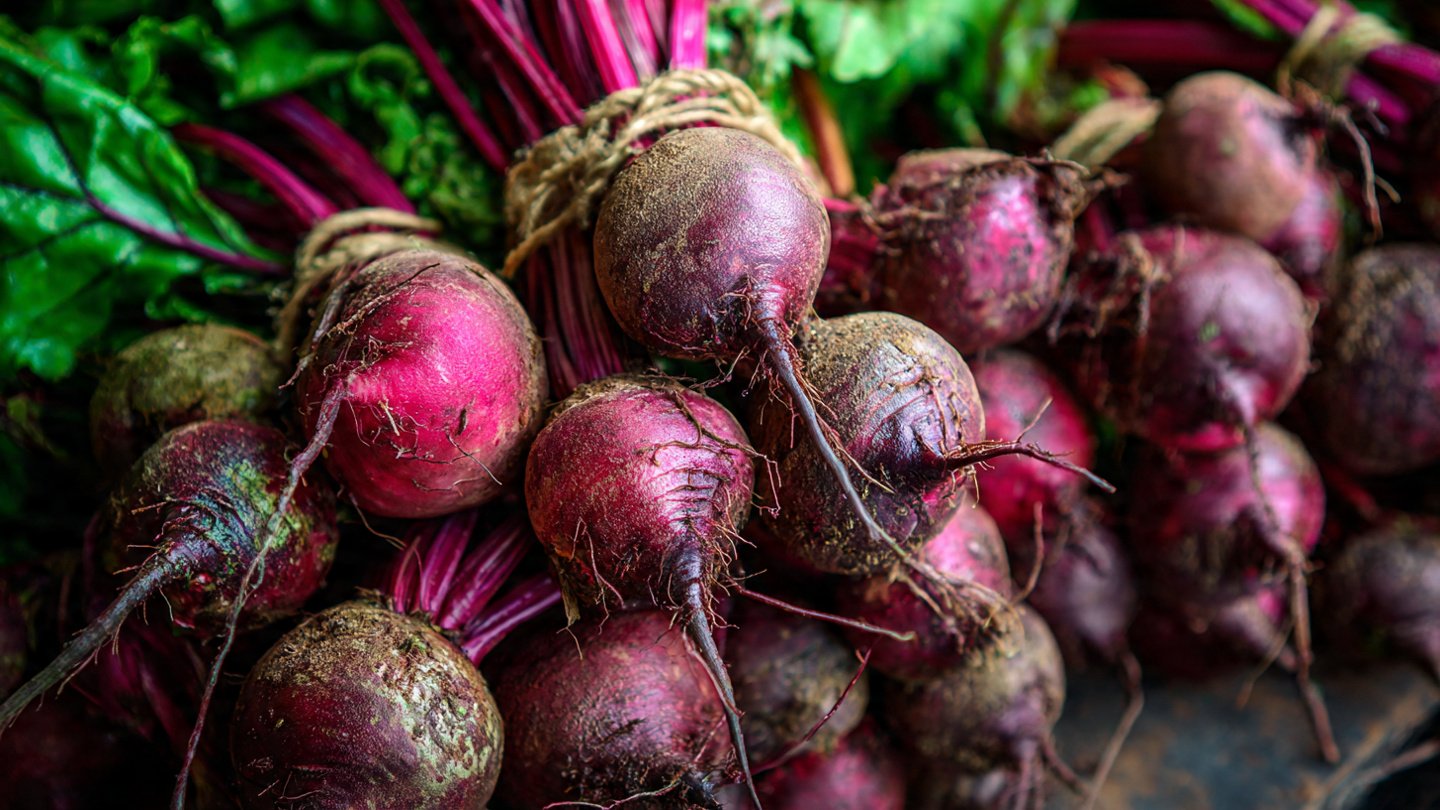
Beetroot is one of the most rewarding vegetables you can grow at home. With its vibrant color, earthy sweetness, and impressive nutritional value, beetroot adds beauty and health to your plate and your garden. The best part? Beetroot is easy to grow, thrives in small spaces, and delivers consistent harvests even for beginners.
This complete guide will take you step by step through growing beetroot at home, whether in pots, grow bags, or garden beds—helping you enjoy fresh, chemical-free, and colorful harvests all year round.
Why Grow Beetroot at Home?
Growing beetroot at home offers many advantages:
- Fresh, pesticide-free produce
- Grows well in pots and small gardens
- Fast-growing crop with harvests in 45–60 days
- Both roots and leaves are edible
- Rich in nutrients like iron, folate, and antioxidants
Homegrown beetroot is sweeter, juicier, and more flavorful than store-bought varieties.
Choosing the Right Beetroot Variety
Selecting the right variety ensures better yield and color.
Popular beetroot varieties for home gardens:
- Detroit Dark Red – Classic, sweet, deep red
- Crimson Globe – Smooth and uniform roots
- Chioggia – Pink and white rings, mild flavor
- Golden Beetroot – Yellow-orange roots, less earthy
- Baby beet varieties – Perfect for pots and quick harvests
Choose seeds labeled for container or home garden use for best results.
Ideal Growing Conditions for Beetroot
Beetroot thrives when given the right environment.
- Temperature: 15–25°C (cool to moderate climate)
- Sunlight: 5–7 hours of direct sunlight daily
- Soil: Loose, well-draining, stone-free soil
- Water: Consistent moisture without waterlogging
Avoid extreme heat, as it can result in woody roots and bitter flavor.
Selecting the Right Pot or Garden Space
Beetroot roots grow underground, so depth matters.
Pot requirements:
- Minimum depth: 10–12 inches
- Width: Wide containers allow multiple plants
- Drainage holes: Essential to prevent rot
Spacing:
- 3–4 inches between plants
- Avoid overcrowding for proper root development
Grow bags, raised beds, and containers all work well.
Preparing the Perfect Soil Mix
Healthy soil is the foundation of plump, sweet beetroot.
Ideal soil mix:
- 40% garden soil or potting soil
- 30% compost or vermicompost
- 20% sand or cocopeat
- 10% perlite or rice husk
This mix ensures:
- Loose texture for root expansion
- Good drainage
- Steady nutrient supply
Remove stones or clumps, as they can cause misshapen roots.
Sowing Beetroot Seeds Correctly
Beetroot seeds are actually seed clusters, so proper sowing is important.
Step-by-step sowing:
- Soak seeds in water for 6–8 hours
- Fill pots with prepared soil
- Sow seeds ½ inch deep
- Space seeds 3 inches apart
- Cover lightly with soil
- Water gently
Seeds usually germinate within 7–10 days.
Tip: One seed cluster may produce multiple seedlings—thin them later.
Thinning Seedlings for Better Growth
Thinning is essential for healthy beetroot development.
- When seedlings are 2–3 inches tall, remove weaker ones
- Leave one strong plant per spot
- Gently pull or snip extras to avoid disturbing roots
Skipping thinning leads to small, crowded, or misshapen beets.
Watering Beetroot the Right Way
Beetroot prefers evenly moist soil.
Watering tips:
- Water deeply 2–3 times a week
- Keep soil consistently moist but not soggy
- Avoid letting soil dry out completely
- Mulch to retain moisture
Inconsistent watering can cause:
- Cracked roots
- Bitter taste
- Slow growth
Feeding Beetroot for Healthy Roots
Beetroot is a moderate feeder and doesn’t need heavy fertilization.
Feeding schedule:
- Add compost at planting time
- Every 3–4 weeks: light compost top-up
- Use liquid compost tea if growth is slow
Avoid excessive nitrogen—it promotes leafy growth at the expense of roots.
Sunlight and Temperature Management
- Provide morning sun for best growth
- Partial afternoon shade helps in warm climates
- Rotate pots weekly for even exposure
Too much heat can cause bolting or tough roots, while low light slows growth.
Caring for Beetroot Leaves (Greens)
Beetroot greens are edible and nutritious.
- Harvest outer leaves sparingly
- Do not remove more than one-third of leaves
- Leaves regrow quickly
Healthy leaves support root development, so avoid excessive leaf harvesting early on.
Common Pests and Problems
Beetroot is relatively pest-resistant but may face minor issues.
Common pests:
- Aphids
- Leaf miners
Natural solutions:
- Neem oil spray
- Soap water spray
- Remove affected leaves promptly
Common problems:
- Woody roots: Caused by heat or delayed harvest
- Cracked roots: Inconsistent watering
- Pale color: Nutrient imbalance
Early detection keeps plants healthy.
Harvesting Beetroot at the Right Time
Timing is key for sweet, tender beetroot.
When to harvest:
- Roots are 1.5–3 inches in diameter
- Usually 45–60 days after sowing
- Baby beets can be harvested earlier
Gently loosen soil and pull beetroot by the base of leaves.
Leaving beetroot too long in the soil makes them tough and fibrous.
Storing and Using Homegrown Beetroot
Storage tips:
- Remove leaves, leaving 1 inch stem
- Store unwashed roots in the refrigerator
- Keeps fresh for 2–3 weeks
Culinary uses:
- Salads and juices
- Roasted or boiled dishes
- Soups and curries
- Pickled beetroot
Beetroot greens can be sautéed like spinach.
Growing Beetroot Year-Round
Beetroot can be grown in multiple seasons.
- Cool seasons: Best for outdoor growth
- Hot climates: Grow in partial shade
- Indoor containers: Possible near sunny windows
Succession planting every 2–3 weeks ensures continuous harvests.
Common Mistakes to Avoid
- Using shallow containers
- Skipping thinning
- Overwatering or underwatering
- Excess nitrogen fertilizer
- Delayed harvesting
Avoiding these mistakes leads to better root size and flavor.
Benefits of Growing Beetroot at Home
- Cost-effective and sustainable
- Fresh and nutrient-dense produce
- Perfect for beginner gardeners
- Adds vibrant color to gardens and meals
- Encourages healthy eating habits
Final Thoughts
Growing beetroot at home is a simple, satisfying, and highly rewarding experience. With minimal space and effort, you can enjoy fresh, healthy, and beautifully colored harvests straight from your garden or balcony.
To summarize:
- Choose the right variety
- Use deep containers and loose soil
- Water consistently
- Thin seedlings properly
- Harvest on time
Whether you’re growing beetroot for salads, juices, or cooked dishes, homegrown beets offer unbeatable flavor and nutrition. Start planting today and enjoy the joy of harvesting fresh, vibrant beetroot grown by your own hands.