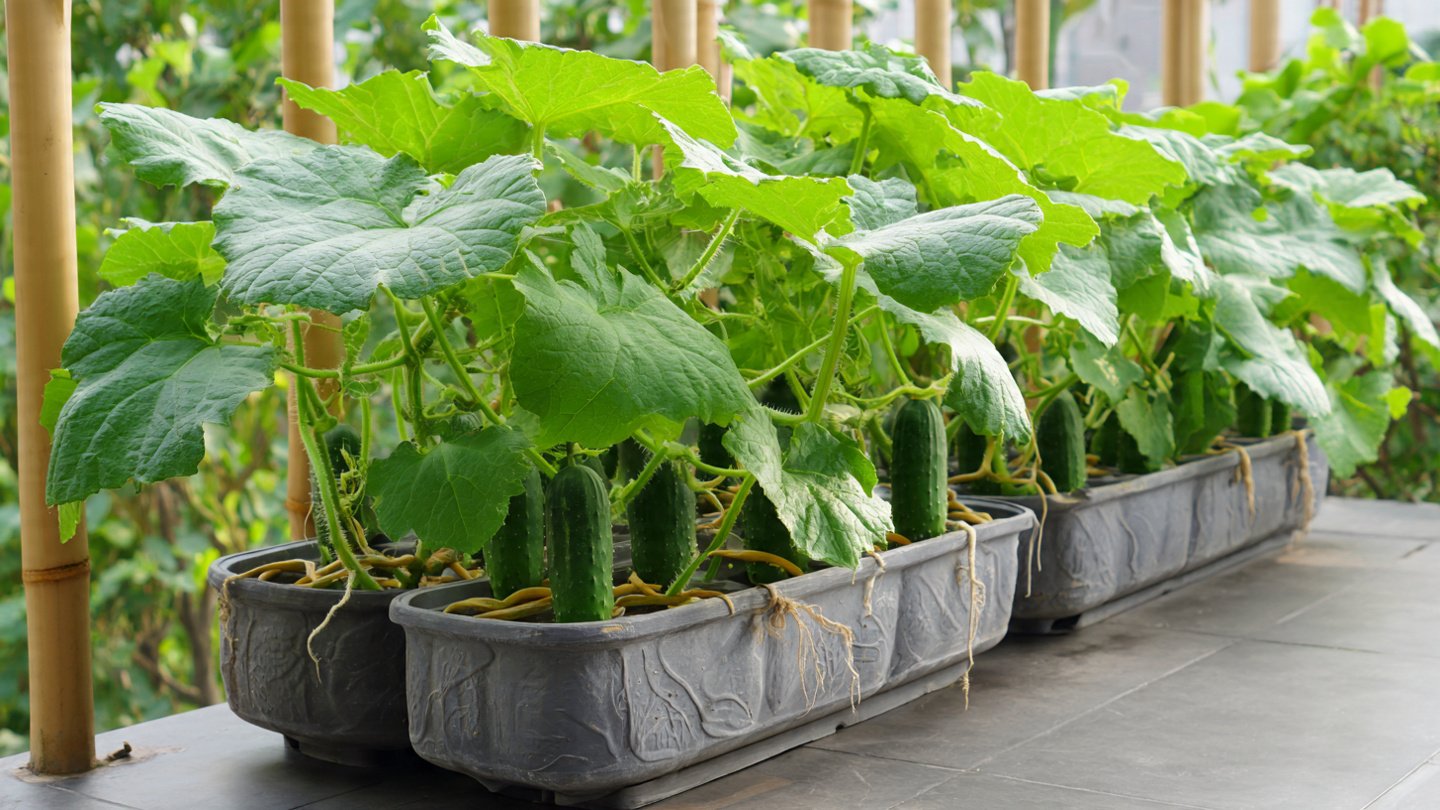
Cucumbers are one of the most popular vegetables for home gardeners due to their refreshing taste, high water content, and nutritional benefits. Rich in vitamins, minerals, and antioxidants, cucumbers are perfect for salads, pickles, and even healthy snacks. However, many people believe that growing cucumbers requires ample garden space and expensive equipment. The truth is, with a bit of creativity, you can cultivate cucumbers right at home using rejected containers, transforming what would otherwise be waste into a productive, green treasure.
This guide explores how to recycle containers and grow healthy cucumbers at home, making your gardening journey both cost-effective and eco-friendly.
1. Why Container Gardening Works for Cucumbers
Cucumbers are vine plants that thrive in loose, well-draining soil with plenty of sunlight. Container gardening is an excellent solution for homes with limited outdoor space, balconies, or even indoor areas with sufficient light. The benefits of container cultivation include:
- Space Efficiency: Small spaces like balconies or patios can become productive gardens.
- Portability: Containers can be moved to capture optimal sunlight or avoid extreme weather.
- Soil Control: You can provide the best soil mix for cucumbers, free from weeds or pests.
- Recycling: Using discarded containers reduces household waste while serving a practical purpose.
By turning rejected containers into planters, you can combine sustainability with productivity—essentially turning waste into wealth.
2. Choosing the Right Containers
Almost any sturdy container can be repurposed for cucumber cultivation, but it’s essential to consider size, drainage, and material:
- Plastic Buckets: Old paint buckets, detergent containers, or large food containers work well.
- Cardboard Boxes: Line with plastic and ensure good drainage.
- Clay or Ceramic Pots: Ideal for aesthetics and long-term use.
- Large Plastic Bottles: Cut horizontally to create shallow trays for seedlings.
Container Requirements:
- Size: Cucumbers have deep root systems, so a container should hold at least 5–10 liters (1.3–2.5 gallons) of soil. Larger containers yield bigger, healthier plants.
- Drainage Holes: Drill holes at the bottom to prevent waterlogging, which can cause root rot.
- Durability: Ensure the container can withstand sunlight, water, and weight of soil without cracking or deteriorating quickly.
3. Preparing Containers for Planting
Proper preparation ensures healthy cucumber growth:
- Clean the Container: Remove any residues or chemicals that might harm plants.
- Add a Base Layer: Place small stones or broken pot shards at the bottom to improve drainage.
- Use a Quality Soil Mix: Cucumbers prefer loose, fertile, and well-draining soil. Mix equal parts garden soil, compost, and sand. Add a handful of organic fertilizer to boost nutrients.
- Ensure Sun Exposure: Position containers where cucumbers will receive at least 6–8 hours of sunlight daily.
By carefully preparing containers, even discarded ones can provide an optimal environment for cucumber plants.
4. Choosing and Planting Seeds
Cucumbers come in many varieties, from small pickling types to large slicing types. Choose a variety that suits your taste and container size.
Planting Steps:
- Seed Selection: Purchase high-quality cucumber seeds or use seeds from healthy fruits.
- Sowing: Plant 2–3 seeds per container at a depth of 1–2 cm (0.5–1 inch).
- Watering: Keep the soil moist but not soggy. Overwatering can cause seeds to rot.
- Germination: Seeds usually sprout within 7–10 days under optimal conditions. Thin the seedlings by removing weaker plants, leaving the strongest one per container.
Using rejected containers does not limit seed germination if soil and water conditions are properly maintained.
5. Supporting Growth with Trellises
Cucumbers are vining plants, which means they need vertical support for healthy growth and optimal yield. You can repurpose household materials to build a trellis:
- Bamboo Sticks: Lightweight, sturdy, and ideal for supporting vines.
- Wooden Dowels or Branches: Easily available and customizable.
- Wire or String Framework: Create a vertical net for climbing.
- Plastic Bottles or Scrap Materials: Cut and shape creatively to provide support.
Training cucumber vines vertically saves space, improves airflow, reduces disease risk, and keeps fruits clean and straight.
6. Watering and Fertilization
Cucumbers require consistent moisture and nutrients for optimal growth.
- Watering Schedule: Water deeply every 2–3 days, more frequently during hot, dry periods. Avoid watering leaves directly to reduce the risk of fungal diseases.
- Fertilization: Feed your plants every 2–3 weeks with compost tea, organic liquid fertilizer, or diluted balanced fertilizers. Cucumbers are heavy feeders and require nitrogen for foliage and potassium for fruit development.
- Mulching: Add a layer of straw, dry leaves, or grass clippings on top of the soil to retain moisture, regulate temperature, and suppress weeds.
These practices ensure vigorous growth and maximize fruit production in container settings.
7. Pest and Disease Management
Even in containers, cucumbers are susceptible to pests and diseases:
- Common Pests: Aphids, whiteflies, spider mites, and cucumber beetles. Use neem oil, insecticidal soap, or introduce natural predators like ladybugs.
- Diseases: Powdery mildew, downy mildew, and root rot. Ensure proper spacing, airflow, and avoid waterlogged soil. Remove affected leaves promptly.
- Preventive Care: Rotate planting locations in different containers, avoid overhead watering, and keep the growing area clean.
Monitoring plants regularly is key to early detection and management of pests and diseases.
8. Harvesting Cucumbers
Proper harvesting ensures maximum yield and continuous production:
- Timing: Cucumbers are usually ready for harvest 50–70 days after sowing, depending on the variety. Fruits should be firm, green, and reach desired length.
- Harvest Technique: Use scissors or pruning shears to cut fruits from the vine. Avoid pulling, as this can damage the plant.
- Frequency: Harvest every 2–3 days during peak season to encourage continuous production.
By harvesting on time, container-grown cucumbers can provide a steady supply of fresh vegetables.
9. Benefits of Growing Cucumbers in Rejected Containers
Using discarded containers for cucumber cultivation offers numerous benefits:
- Eco-Friendly: Reduces waste and promotes recycling.
- Cost-Effective: Eliminates the need for purchasing new pots.
- Accessibility: Makes gardening possible for urban dwellers or homes without garden space.
- Health Benefits: Fresh homegrown cucumbers are chemical-free and nutritionally superior.
- Productivity: Vertical, container-based cultivation can produce as much as ground-level gardening with proper care.
By combining sustainability with practicality, container cucumber gardening exemplifies turning waste into wealth.
10. Advanced Tips for Maximum Yield
To take your container cucumber cultivation to the next level:
- Companion Planting: Grow basil, dill, or marigolds nearby to deter pests and improve pollination.
- Pruning: Remove older leaves and lateral shoots to focus energy on main vines and fruiting stems.
- Rotation and Reuse: Refresh soil after each growing season to prevent nutrient depletion.
- Creative Layouts: Use stacked containers, vertical walls, or hanging baskets to maximize space.
Implementing these advanced techniques ensures a lush and productive cucumber harvest year-round.
11. Conclusion
Growing cucumbers at home using rejected containers is an innovative, cost-effective, and environmentally friendly approach to gardening. Not only does this method reduce household waste, but it also provides fresh, nutritious vegetables and the joy of self-sufficiency. By carefully selecting containers, preparing soil, planting quality seeds, providing support, and maintaining proper care, even small urban spaces can yield bountiful cucumber harvests.
The practice of turning waste into wealth exemplifies sustainable living, demonstrating that with creativity and diligence, ordinary discarded items can become vessels of growth and productivity. Home gardeners who embrace this approach not only contribute to environmental conservation but also enjoy the tangible rewards of their labor—a thriving cucumber garden that nourishes the body, saves money, and enhances the home environment.
With patience, consistent care, and a little ingenuity, anyone can transform unused containers into a flourishing green oasis, proving that great gardening starts with smart choices and a sustainable mindset.