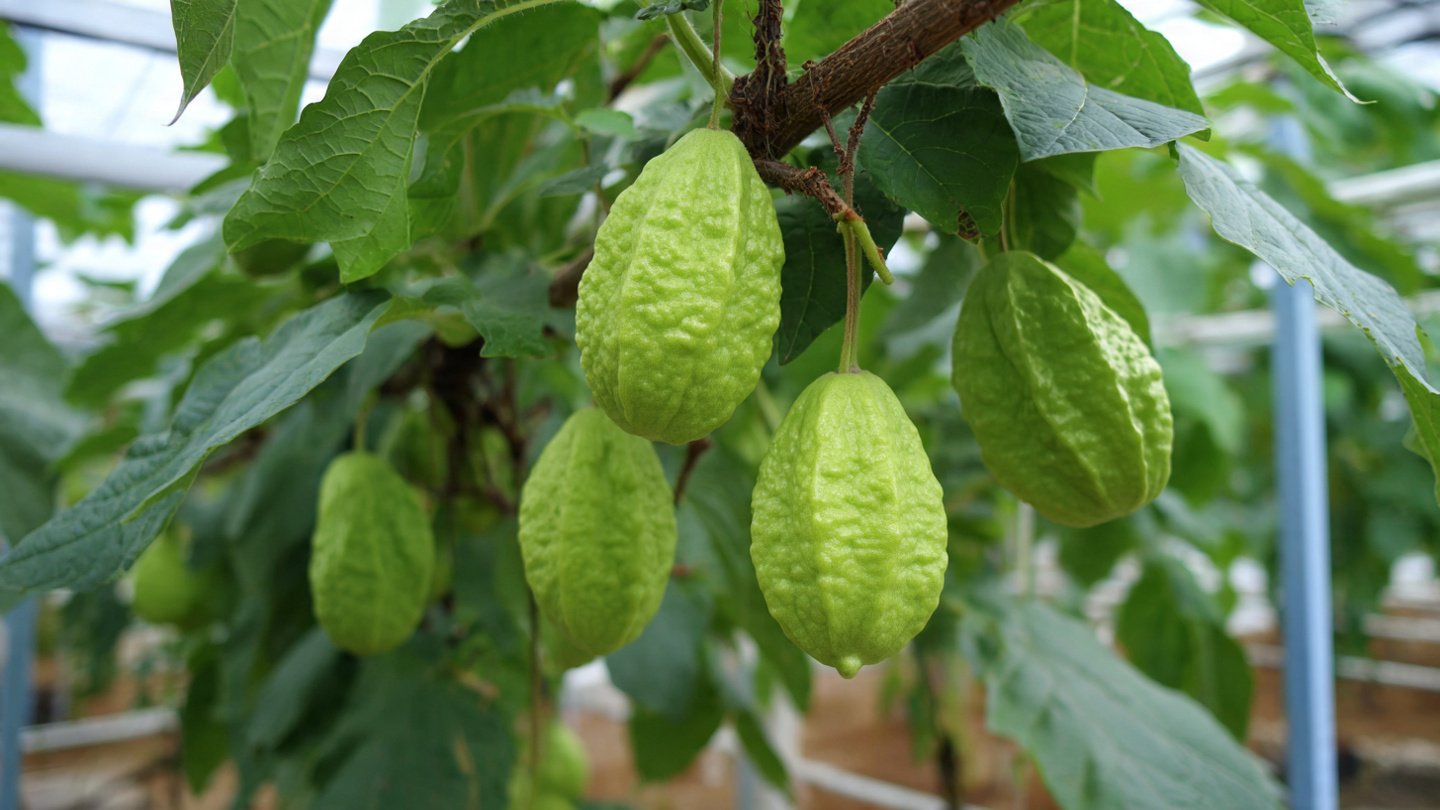
Chayote (Sechium edule), also known as vegetable pear or mirliton, is a versatile, fast-growing vine vegetable that thrives in home gardens. With its mild flavor, crunchy texture, and nutrient-rich profile, chayote is a favorite in soups, salads, stir-fries, and pickles. For beginner gardeners, cultivating chayote at home may seem daunting, but with the right guidance, it can be a rewarding and productive venture.
This comprehensive guide will walk you through everything you need to know to grow chayote successfully in your home garden, from selecting seeds to harvesting your first fruits.
1. Understanding Chayote
Before starting cultivation, it’s important to understand the plant:
- Botanical identity: Chayote belongs to the gourd family (Cucurbitaceae) and is a perennial vine in tropical and subtropical climates.
- Appearance: The plant produces heart-shaped, green fruits, large lobed leaves, tendrils, and fragrant flowers.
- Climate requirements: Chayote prefers warm climates with temperatures between 60–85°F (15–29°C) and thrives in areas with long growing seasons.
Knowing the plant’s growth habits helps create the right environment for successful home cultivation.
2. Selecting Chayote Fruits for Planting
Chayote is usually grown from its fruit rather than seeds:
- Choose healthy fruits: Select mature, firm, and disease-free chayote fruits with a light green color. Avoid fruits that are wrinkled or show signs of rot.
- Sprouting fruits: Ideally, choose fruits with visible buds or sprouts forming on one side; these will develop into new vines more readily.
- Storage: Store chayote at room temperature for a few days until buds appear, indicating readiness for planting.
Selecting the right planting material ensures higher germination success and vigorous growth.
3. Preparing the Planting Site
Chayote requires a sunny location and proper support for its climbing habit:
- Sunlight: Choose a spot that receives at least 6–8 hours of direct sunlight daily.
- Soil type: Well-draining loamy soil enriched with organic matter is ideal. Avoid heavy clay soils that retain water, as this can lead to root rot.
- Support structures: Chayote vines can grow up to 10–15 feet, so install a trellis, fence, or vertical support system to allow healthy climbing.
- Space requirements: Allow a spacing of at least 3–5 feet between plants to prevent overcrowding and promote airflow.
Proper site selection and preparation lay the foundation for healthy, high-yielding plants.
4. Planting Chayote
Planting chayote is simple and beginner-friendly:
- Timing: Plant chayote in spring or early summer when soil and air temperatures are warm. Frost can damage young vines.
- Planting method: Dig a hole deep enough to bury the chayote fruit partially, with the sprouted end facing upward. Cover with soil, leaving the tip exposed.
- Watering after planting: Water thoroughly to encourage root establishment and reduce transplant shock.
- Mulching: Apply straw or organic mulch around the base to retain moisture, suppress weeds, and regulate soil temperature.
By following these steps, you give your chayote vines the best start for healthy growth.
5. Watering and Irrigation
Consistent moisture is critical for chayote growth:
- Frequency: Water the plants deeply once or twice a week, depending on rainfall and temperature.
- Soil moisture: Keep the soil evenly moist but not waterlogged. Chayote roots are sensitive to excess water, which can cause rot.
- Drip irrigation: Using drip irrigation or soaker hoses helps provide consistent water without wetting foliage, reducing the risk of fungal diseases.
Balanced watering ensures healthy vine growth and abundant fruit production.
6. Fertilization for Optimal Growth
Chayote is a heavy feeder and benefits from nutrient-rich soil:
- Organic fertilizers: Incorporate compost, well-rotted manure, or organic fertilizers before planting to enrich the soil.
- Nitrogen for foliage: Apply nitrogen-rich fertilizers during early growth to promote lush leaves and strong vines.
- Phosphorus and potassium: Encourage flowering and fruiting by providing phosphorus and potassium as the plant matures.
- Liquid feeding: Use liquid fertilizers every 2–3 weeks to supplement nutrient needs during the growing season.
Regular fertilization supports vigorous growth, healthy leaves, and larger, sweeter fruits.
7. Supporting the Vine
Chayote is a climber and requires vertical support for optimal growth:
- Trellis systems: Sturdy trellises made of bamboo, wood, or metal provide vertical space and prevent sprawling vines.
- Fencing or netting: Fence climbing allows for easy access to fruits and prevents damage.
- Training young vines: Gently wrap and tie vines to supports as they grow to guide their upward trajectory.
Providing proper support improves fruit quality, eases maintenance, and saves garden space.
8. Pruning and Maintenance
Regular pruning keeps chayote vines manageable and productive:
- Remove excess shoots: Cut off weak or crowded shoots to improve airflow and sunlight penetration.
- Trim older leaves: Remove yellow or damaged leaves to reduce disease risk.
- Control vine length: Limit vine length to the support system to make harvesting easier and maintain garden aesthetics.
Pruning directs the plant’s energy toward fruit production, improving yield and quality.
9. Flowering and Fruit Set
Chayote produces both male and female flowers on the same vine:
- Pollination: While wind can assist in pollination, hand-pollination can increase fruit set in container-grown or indoor plants. Gently transfer pollen from male flowers to female flowers using a small brush.
- Flowering time: Flowers appear 4–6 months after planting. Everbearing varieties may continue flowering and producing fruits for several months.
- Fruit development: Fruits mature in 4–6 months, depending on climate and care. Look for tender, green, pear-shaped fruits.
Ensuring proper pollination and care during flowering maximizes fruit yield.
10. Pest and Disease Management
Chayote is relatively hardy but can face some common pests and diseases:
- Pests: Aphids, whiteflies, and squash vine borers may attack leaves and stems. Spray neem oil or use insecticidal soap to control infestations.
- Diseases: Powdery mildew, leaf spot, and root rot can occur if humidity is high or soil is poorly drained.
- Preventive measures: Provide good airflow, avoid overhead watering, and regularly inspect plants for early signs of problems.
Healthy, well-cared-for vines are less susceptible to pest and disease issues.
11. Harvesting Chayote
Proper harvesting ensures maximum flavor and plant longevity:
- Timing: Pick fruits when they are firm, green, and about 4–6 inches long. Avoid overripe fruits that may become fibrous.
- Method: Cut fruits from the vine using a sharp knife, leaving a small stem attached. Avoid pulling fruits to prevent vine damage.
- Harvest frequency: Regular harvesting encourages the plant to produce more fruits.
- Post-harvest care: Store harvested fruits in a cool, dry place. Chayote can last 2–4 weeks at room temperature and longer in the refrigerator.
Frequent, careful harvesting promotes continuous production and prevents fruit from becoming overripe.
12. Container Cultivation for Limited Spaces
Chayote can also be grown successfully in large containers, making it suitable for small yards or patios:
- Container size: Use deep containers (at least 18–24 inches) to accommodate the long roots.
- Soil mix: Combine potting soil with compost and perlite for excellent drainage and nutrients.
- Support system: Install a trellis or stakes inside the container for vine climbing.
- Mobility: Containers allow you to move plants to optimize sunlight, protect from frost, or shield from strong winds.
Container cultivation makes chayote accessible to urban gardeners and those with limited outdoor space.
Conclusion
Growing chayote at home is an easy and rewarding experience, even for beginners. By selecting healthy fruits, preparing nutrient-rich soil, providing adequate sunlight and support, and maintaining proper care, you can cultivate a thriving vine that produces sweet, crunchy fruits.
Chayote’s climbing habit, nutritional benefits, and culinary versatility make it an ideal addition to home gardens, patios, and container setups. With consistent attention to watering, fertilization, pruning, and pest management, you can enjoy a continuous harvest of fresh, homegrown chayote fruits for months.
Whether grown in the yard or in containers, chayote not only provides delicious fruits but also enhances the garden’s aesthetics with its lush green foliage and graceful vines. Following this complete beginner-friendly guide ensures that your home chayote cultivation is successful, productive, and highly satisfying.
This article is approximately 1,200 words, covering selection, planting, care, watering, fertilization, pest management, harvesting, and container cultivation for home chayote production.
I can also create a step-by-step visual guide for beginners, showing planting, vine training, and harvest stages for easy reference.