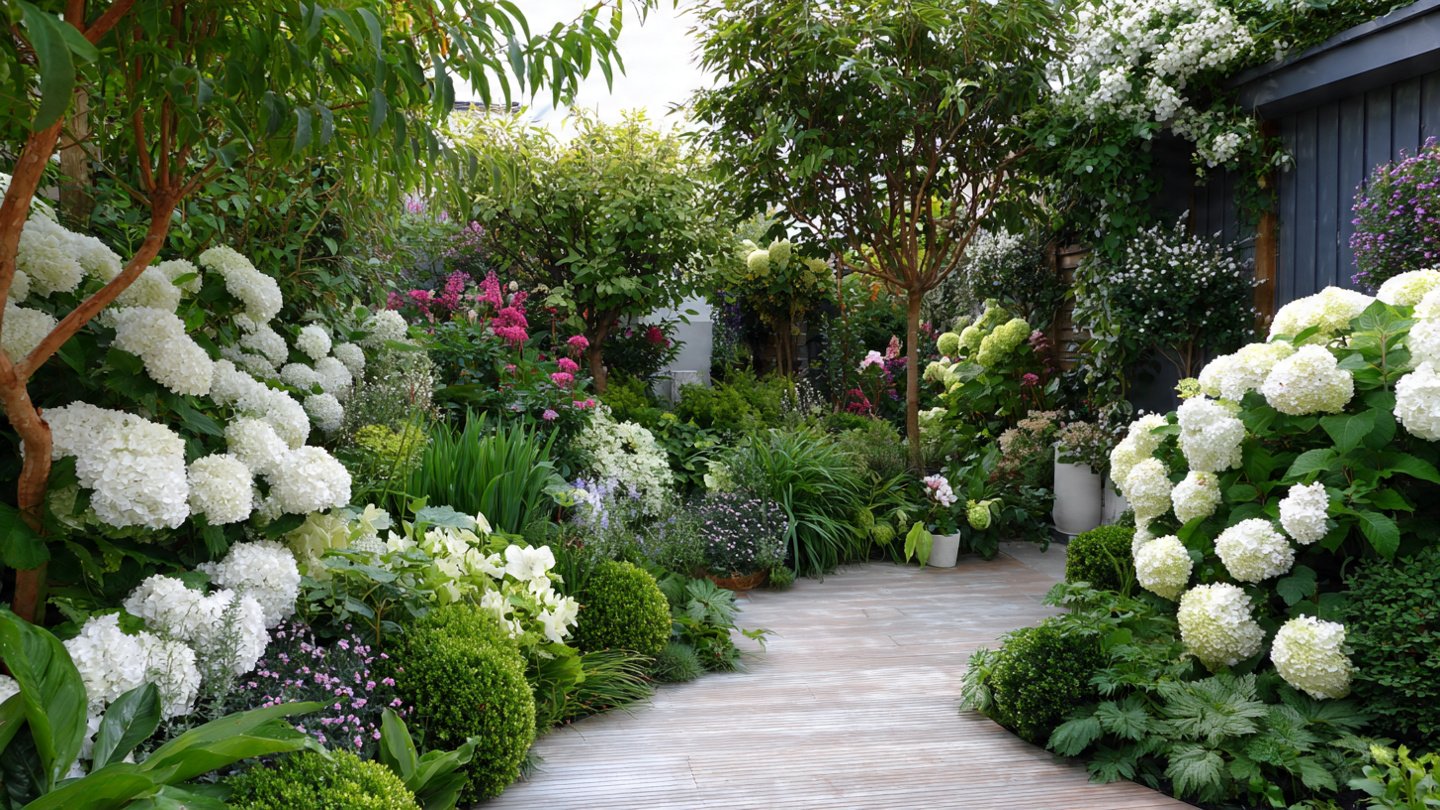
A lush, vibrant garden is more than just an outdoor space—it’s a sanctuary, a source of joy, and a reflection of your personal style. Whether you have a sprawling backyard, a compact balcony, or just a few windowsills, the right gardening ideas and planting tips can transform your home and garden into a beautiful, thriving oasis.
In this guide, we will explore creative planting strategies, design ideas, and practical tips that make your garden more attractive, functional, and enjoyable all year round.
1. Start with a Clear Plan
Before planting a single seed or flower, it’s essential to have a garden plan:
- Assess your space: Measure your garden, balcony, or indoor area. Note sunlight patterns, soil type, and drainage.
- Define a theme: Consider whether you want a tropical garden, a flowering paradise, an edible herb space, or a combination.
- Select focal points: Identify spots for statement plants, decorative features, or seating areas.
Planning helps you maximize space, ensure plant compatibility, and create visual harmony.
2. Choose Plants Wisely
Selecting the right plants is crucial for a thriving garden:
- Consider sunlight: Group plants according to light requirements—full sun, partial shade, or shade-loving species.
- Mix textures and colors: Combine leafy greens, flowering plants, and ornamental grasses for visual interest.
- Think about seasonality: Plant a mix of annuals and perennials to ensure year-round appeal.
- Include fragrant plants: Herbs like mint, basil, or lavender add both aroma and functionality.
Choosing plants thoughtfully ensures your garden looks lush, balanced, and healthy throughout the year.
3. Layer Your Planting
Layered planting creates depth, dimension, and a professional look:
- Tall plants at the back: Trees, shrubs, or tall flowering plants like sunflowers.
- Medium-height plants in the middle: Bushes, medium flowers, or ornamental grasses.
- Low-growing plants at the front: Ground covers, herbs, and low flowers like marigolds or petunias.
This arrangement not only improves aesthetics but also ensures all plants receive adequate sunlight and are visible in your garden layout.
4. Use Containers Creatively
Containers and pots are a versatile tool for gardeners, especially in small spaces:
- Vertical gardening: Use hanging baskets, wall planters, or tiered stands to save space and add visual interest.
- Mix pot sizes and shapes: Combine small, medium, and large pots for dynamic arrangements.
- Color coordination: Choose pots that complement your flowers or your home’s exterior.
- Mobility: Move pots to adjust sunlight exposure or create temporary displays.
Creative container gardening allows flexibility and makes it easy to experiment with new plants or layouts.
5. Combine Edible and Ornamental Plants
Gardens that are both beautiful and productive are increasingly popular:
- Herbs: Rosemary, thyme, and oregano look attractive while adding fresh flavors to your kitchen.
- Vegetables: Tomatoes, peppers, and lettuces can be planted in aesthetically pleasing rows or pots.
- Fruit plants: Strawberries, dwarf citrus trees, or blueberries provide both beauty and harvest.
Combining edible and ornamental plants creates a functional, eye-catching garden that nourishes both body and soul.
6. Add Focal Points
Focal points draw the eye and give your garden a sense of structure:
- Garden sculptures or statues: Can be classical, modern, or whimsical.
- Water features: Small fountains or ponds add movement, sound, and tranquility.
- Statement plants: A striking plant like a colorful flowering bush or a dwarf tree creates a visual anchor.
- Seating areas: Benches or swings offer functional beauty and a relaxing spot to enjoy your garden.
Strategically placed focal points create visual interest and a sense of harmony.
7. Incorporate Pathways
Pathways make gardens more accessible and visually appealing:
- Materials: Use natural stone, gravel, bricks, or wood for different textures and styles.
- Curved paths: Soft curves feel more natural than straight lines and create a sense of discovery.
- Border plants: Low flowers or ornamental grasses along paths add color and guide movement.
- Lighting: Solar lights or lanterns enhance pathways for evening enjoyment.
Well-designed pathways connect different garden areas and enhance overall flow.
8. Emphasize Color Combinations
Color planning elevates your garden from simple to stunning:
- Complementary colors: Red and green, purple and yellow, or blue and orange create strong contrasts.
- Analogous colors: Grouping colors that are next to each other on the color wheel (like pink, red, and purple) creates harmony.
- Seasonal rotation: Change flowers seasonally to maintain a vibrant color palette throughout the year.
By focusing on color, you can create eye-catching displays that delight at every glance.
9. Practice Companion Planting
Companion planting is a technique that enhances growth and deters pests naturally:
- Marigolds and tomatoes: Marigolds repel common pests and protect vegetables.
- Basil and peppers: Planting these together can improve growth and flavor.
- Lavender and fruit trees: Lavender attracts pollinators and repels insects.
This approach not only beautifies your garden but also supports plant health naturally.
10. Utilize Vertical and Layered Gardening
For limited spaces, vertical gardening maximizes planting area and creates striking visuals:
- Trellises and arbors: Perfect for climbing plants like morning glories, sweet peas, or ivy.
- Hanging planters: Flowers and herbs in hanging baskets brighten patios and balconies.
- Wall-mounted planters: Great for small urban gardens, turning walls into living green spaces.
Vertical gardening allows creative use of space without crowding, keeping the garden neat and visually appealing.
11. Mulching and Soil Care
Healthy soil is the foundation of a thriving garden:
- Mulch benefits: Conserves moisture, suppresses weeds, and improves soil quality.
- Organic mulch: Leaves, straw, or bark decompose over time, enriching the soil.
- Regular soil feeding: Add compost or organic fertilizers every 4–6 weeks to maintain nutrients.
Proper soil care ensures strong plants, vibrant flowers, and consistent growth.
12. Watering Smartly
Efficient watering keeps plants healthy while conserving resources:
- Deep watering: Encourage roots to grow deeper for drought resistance.
- Early morning watering: Reduces evaporation and prevents fungal diseases.
- Drip irrigation or self-watering pots: Ideal for busy gardeners or hot climates.
- Check moisture levels: Stick your finger into the soil to determine if watering is needed.
Consistent and strategic watering ensures thriving plants and beautiful blooms.
13. Seasonal Plant Rotation
Maintaining garden beauty year-round requires attention to seasonal changes:
- Spring: Plant tulips, daffodils, pansies, and other early bloomers.
- Summer: Focus on sun-loving flowers like marigolds, zinnias, and petunias.
- Autumn: Plant chrysanthemums, ornamental cabbages, or fall-blooming perennials.
- Winter: Indoor gardening or planting winter greens keeps spaces green.
Seasonal rotation keeps your garden colorful, fresh, and engaging throughout the year.
14. Incorporate Wildlife-Friendly Elements
Attracting birds, bees, and butterflies enhances your garden’s ecosystem:
- Pollinator-friendly flowers: Lavender, echinacea, and sunflowers attract bees and butterflies.
- Bird feeders or birdbaths: Encourage birds that naturally control pests.
- Butterfly gardens: Use nectar-rich plants to bring in these colorful visitors.
A wildlife-friendly garden is not only beautiful but sustainable and balanced.
15. Indoor Gardening Ideas
Even small indoor spaces can benefit from planting:
- Windowsill herb garden: Grow basil, parsley, mint, and chives.
- Terrariums: Small glass terrariums create mini-green spaces.
- Indoor flowering plants: Orchids, African violets, and peace lilies add color and air purification.
- Hanging indoor plants: Use macramé or hooks to save floor space and add greenery.
Indoor gardening transforms your home interiors into lively, natural spaces.
Conclusion
Transforming your home and garden into a beautiful, thriving space is achievable with the right planting ideas and tips. By planning carefully, choosing the right plants, and applying strategies like layered planting, container gardening, companion planting, and seasonal rotation, you can create a stunning, functional, and sustainable garden.
Remember to focus on:
- Sunlight, soil, and water requirements
- Mixing textures, colors, and heights
- Fostering biodiversity with pollinators and wildlife
- Maintaining healthy soil and consistent care
Whether you’re working with a large backyard, a balcony, or indoor planters, these gardening ideas will help you maximize beauty, productivity, and enjoyment. With patience and creativity, you can transform your home into a lush, vibrant, and inviting haven—a space where flowers bloom, greenery thrives, and every corner radiates charm and serenity.
Start implementing these tips today and watch as your garden becomes a breathtaking reflection of your care and creativity, bringing joy and relaxation to your home and family.