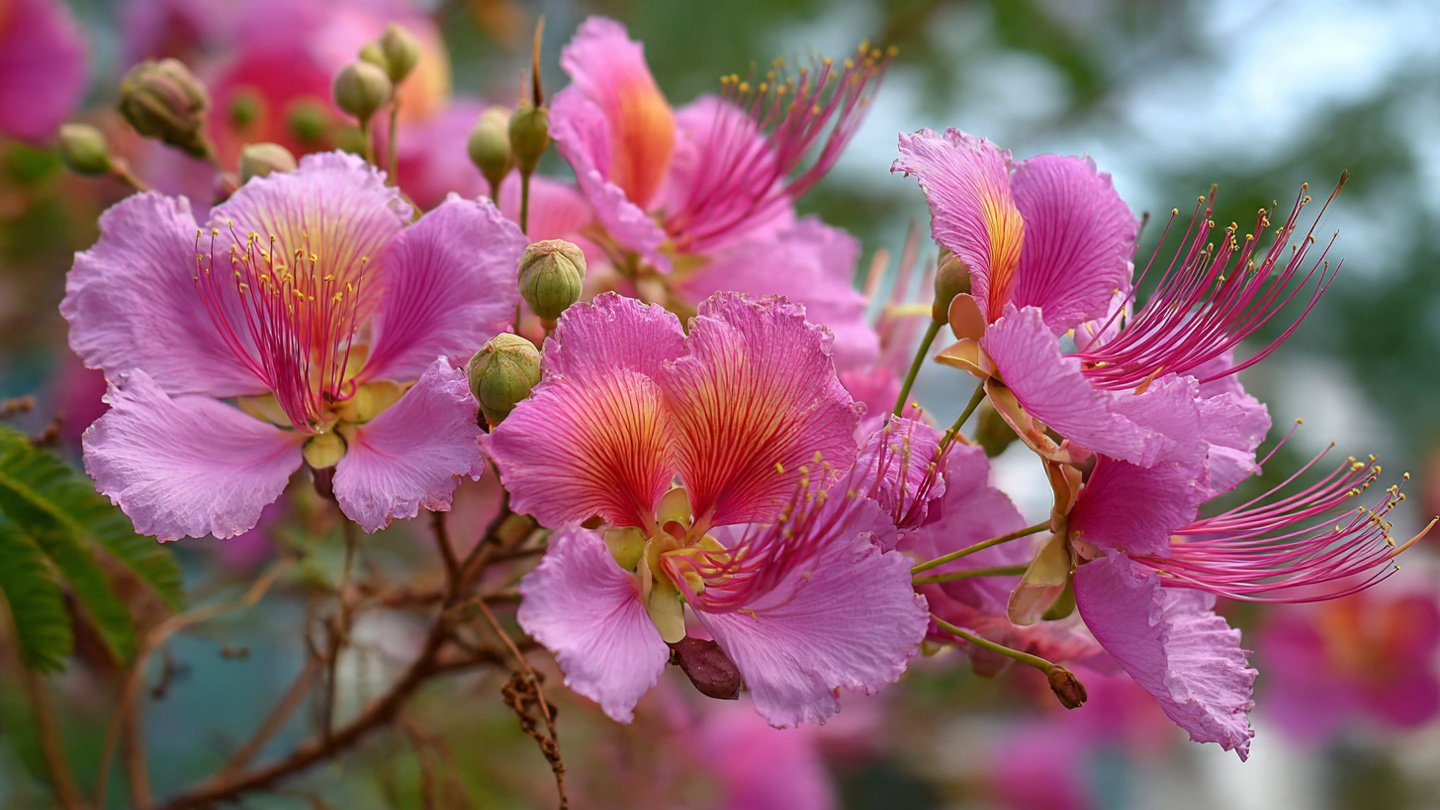
Shiuli flowers, often referred to as night-flowering jasmine, hold a special place in gardens and homes across South Asia. Their delicate, star-shaped white blossoms release a captivating fragrance at night, illuminating evening gardens with elegance and charm. Known for their symbolic association with purity and spiritual celebrations, Shiuli flowers are not only beautiful but also versatile, making them an ideal choice for enhancing your home and garden. This guide explores gardening ideas, planting techniques, and design inspirations to help you incorporate Shiuli flowers into your space.
1. Understanding Shiuli Flowers
Before diving into gardening techniques, it’s essential to understand the unique characteristics of Shiuli flowers:
- Scientific name: Nyctanthes arbor-tristis
- Blooming season: Typically blooms in autumn, often coinciding with cultural festivals such as Diwali and Durga Puja.
- Fragrance: Night-blooming, releasing a sweet aroma that attracts pollinators like moths.
- Size: The shrub can grow up to 10–12 feet tall, with a bushy appearance.
- Leaves: Simple, opposite leaves with serrated edges, providing lush greenery year-round.
Understanding these traits allows gardeners to plan effectively, ensuring Shiuli thrives in the right environment.
2. Choosing the Right Location
Shiuli flowers thrive best in sunny to partially shaded locations. Selecting an appropriate spot ensures vigorous growth and abundant blooms:
- Sunlight: At least 4–6 hours of direct sunlight is ideal. Morning sunlight with afternoon shade works well in hot climates.
- Soil type: Well-draining, loamy soil enriched with organic matter encourages healthy roots. Avoid waterlogged areas, as Shiuli is sensitive to excess moisture.
- Air circulation: A breezy location reduces the risk of fungal infections and enhances flower fragrance dispersion.
- Accessibility: Place near seating areas, patios, or garden paths to enjoy the nighttime aroma.
A carefully chosen location maximizes both aesthetic appeal and plant health.
3. Planting Shiuli Flowers
Planting Shiuli requires careful attention to spacing, soil preparation, and watering:
- Propagation: Shiuli is propagated via seeds or cuttings. Stem cuttings are the most reliable method for early blooms.
- Spacing: Maintain at least 3–4 feet between shrubs to allow full canopy growth.
- Soil preparation: Enrich the soil with compost or well-rotted manure to enhance fertility and drainage.
- Planting depth: Dig a hole slightly larger than the root ball, place the plant, and cover with soil so the roots are well-protected.
- Watering: Water generously after planting and keep the soil moist but not soggy during the establishment period.
Proper planting ensures strong roots, healthy foliage, and prolific flowering.
4. Watering and Fertilization Tips
Shiuli flowers are moderately drought-tolerant, but optimal care enhances blooms:
- Watering:
- Water every 2–3 days during hot, dry weather.
- Reduce watering in the monsoon season or when the soil is naturally moist.
- Avoid waterlogging, which can cause root rot.
- Fertilization:
- Apply balanced organic fertilizer or compost twice a year, preferably before and after flowering.
- Liquid fertilizers rich in phosphorus promote more blooms, while nitrogen encourages lush foliage.
- Mulch around the base with dried leaves or organic matter to retain moisture and suppress weeds.
Consistent care results in a vibrant, fragrant Shiuli shrub that blooms abundantly year after year.
5. Pruning for Shape and Health
Pruning Shiuli shrubs not only enhances aesthetics but also encourages new growth and flowering:
- Timing: Prune after flowering season, typically in late autumn or early winter.
- Method: Remove dead, diseased, or crossing branches to improve airflow and sunlight penetration.
- Shaping: Trim lightly to maintain desired height and bushy appearance.
- Flower stimulation: Regular pruning prevents the plant from becoming too woody, which can reduce the number of blooms.
A well-pruned Shiuli plant is healthier, easier to maintain, and visually more appealing.
6. Companion Planting Ideas
Shiuli flowers pair beautifully with other plants, enhancing your garden’s visual and aromatic appeal:
- Climbers: Plant jasmine, honeysuckle, or morning glory nearby to create a fragrant, layered effect.
- Perennials: Hibiscus, marigold, or bougainvillea add contrasting colors and textures.
- Herbs: Rosemary, mint, or basil can complement the fragrance while serving culinary purposes.
- Groundcover: Low-growing flowering plants like lantana or alyssum around Shiuli shrubs soften the garden base.
Thoughtful companion planting maximizes both aesthetic beauty and biodiversity in your garden.
7. Indoor Gardening with Shiuli
Shiuli flowers can also brighten indoor spaces when grown in containers:
- Container choice: Use large pots with good drainage holes to accommodate root growth.
- Soil: Lightweight potting mix enriched with compost is ideal.
- Sunlight: Place near windows receiving morning sunlight or use grow lights if natural light is limited.
- Watering: Maintain moderate soil moisture, allowing the top layer to dry slightly between watering.
- Mobility: Potted Shiuli can be moved outdoors in summer and indoors during cooler seasons, allowing year-round enjoyment of fragrance and flowers.
Indoor Shiuli adds visual elegance and aromatic charm to balconies, patios, or living areas.
8. Creative Garden Design Ideas with Shiuli
Shiuli flowers can be integrated into your garden in various creative ways:
- Borders and Hedges: Plant Shiuli along pathways or fences for a fragrant, white-flowered border.
- Flower beds: Combine Shiuli with colorful annuals and perennials to create a striking contrast.
- Night garden: Design a night garden using Shiuli as a focal point, surrounded by moonlight-friendly plants like white lilies and gardenias.
- Vertical accent: Use trellises or low supports to train Shiuli into a semi-climbing structure for vertical interest.
- Seasonal displays: Collect fallen Shiuli flowers daily to decorate dining tables, prayer spaces, or home altars.
These design ideas make Shiuli a versatile, multipurpose addition to any garden layout.
9. Harvesting and Using Shiuli Flowers
Shiuli flowers are not only decorative but also culturally and practically significant:
- Daily collection: Pick flowers early in the morning before they wilt for longer-lasting freshness.
- Home decor: Scatter petals on tables, create garlands, or place them in small bowls around the home for fragrance.
- Cultural rituals: Shiuli flowers are used in festivals, pujas, and traditional ceremonies.
- Crafts: Dried Shiuli flowers can be used in potpourri, homemade candles, and floral art projects.
Proper harvesting ensures the plant continues to bloom prolifically while allowing you to enjoy its aesthetic and cultural value.
10. Pests and Disease Management
While relatively hardy, Shiuli flowers may occasionally face pests or diseases:
- Aphids and mealybugs: Spray affected areas with neem oil or mild insecticidal soap.
- Leaf spots: Ensure good air circulation and avoid overhead watering to prevent fungal growth.
- Root rot: Avoid waterlogged soil and prune damaged roots if necessary.
- General care: Regular inspection and prompt removal of infected leaves keep the plant healthy.
Healthy, well-cared-for Shiuli plants are more resistant to pests and flourish with minimal intervention.
11. Seasonal Care Tips
Caring for Shiuli varies with seasons to maximize flowering and plant health:
- Spring: Fertilize lightly and trim any dead branches to prepare for new growth.
- Summer: Ensure adequate water and sun exposure, but avoid excessive heat stress.
- Autumn: This is peak flowering season. Provide balanced nutrition and harvest flowers regularly.
- Winter: Protect plants from frost by moving containers indoors or using mulch for ground-planted shrubs.
Adapting care to seasonal changes ensures continuous blooms and healthy growth.
Conclusion
Shiuli flowers are a beautiful, fragrant, and versatile addition to any home or garden. Their delicate white blossoms, intoxicating night fragrance, and cultural significance make them more than just a decorative plant—they are a symbol of purity, joy, and celebration. By understanding their growth requirements, selecting the right location, using proper planting and care techniques, and creatively designing your garden space, you can enjoy a thriving Shiuli garden that delights the senses year-round.
Whether used as hedges, border plants, potted indoor gems, or featured in night gardens, Shiuli flowers can brighten your home and garden with elegance and fragrance. Daily care, thoughtful harvesting, and seasonal adjustments ensure your Shiuli plants remain healthy, bloom prolifically, and continue to enrich your living space with natural beauty.
Embrace the charm of Shiuli flowers, and transform your garden into a fragrant haven of white blossoms, inviting relaxation, inspiration, and joy for both family and visitors alike.