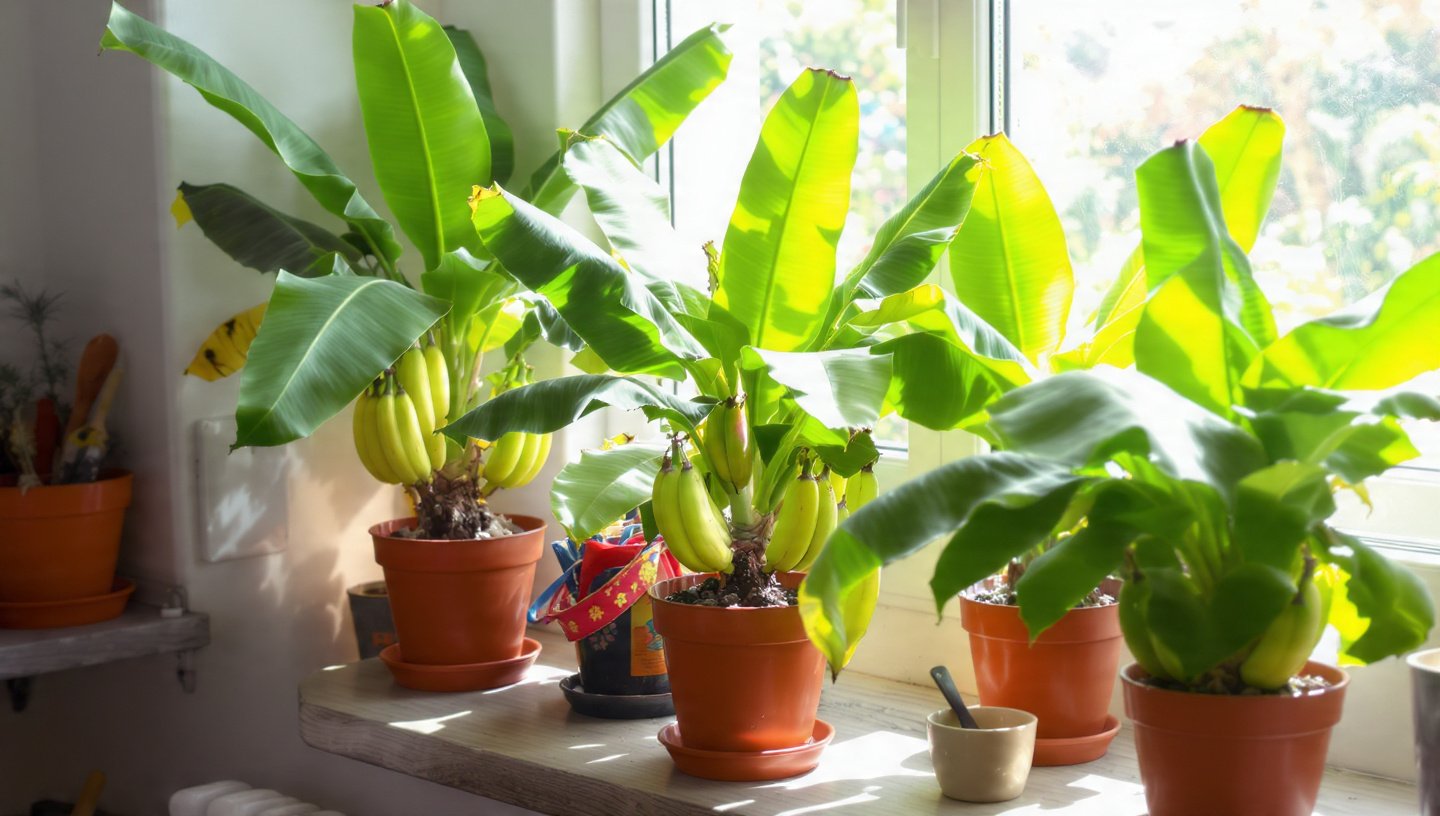
Bananas are often associated with tropical landscapes, sprawling plantations, and warm, sunny climates. But what if we told you that you can grow your own bananas at home, even in a small space, using pots? Thanks to dwarf banana varieties, container gardening has made it possible for urban gardeners, balcony enthusiasts, and indoor plant lovers to enjoy the beauty and bounty of banana plants. In this comprehensive guide, we’ll explore everything you need to know about growing dwarf bananas at home—from selecting the right variety to potting, watering, feeding, and harvesting.
Why Grow Bananas in Pots?
Bananas are versatile plants with multiple benefits beyond producing fruit:
- Space-saving: Dwarf varieties are compact, perfect for patios, balconies, and indoor spaces.
- Decorative appeal: Large, lush green leaves add a tropical touch to your garden or home.
- Edible fruit: With proper care, potted banana plants can produce sweet, nutritious bananas.
- Year-round interest: Even if fruiting takes time, the foliage and structure make them an attractive addition to your space.
Growing bananas in pots allows gardeners to control soil conditions, move plants indoors during cold months, and reduce exposure to pests and diseases, which can be more difficult in-ground cultivation.
Choosing the Right Dwarf Banana Variety
Not all bananas are suitable for pots. Dwarf bananas are compact, hardy, and adapted for container growth. Popular varieties include:
- Dwarf Cavendish
- Height: 6–8 feet
- Fruit: Small to medium-sized, sweet
- Popular for its compact size and easy care
- Dwarf Red Banana
- Height: 5–7 feet
- Fruit: Red-skinned, flavorful
- Adds visual interest with red-tinged leaves
- Dwarf Orinoco (Lady Finger Banana)
- Height: 6–7 feet
- Fruit: Small, firm, and sweet
- Known for vigorous growth and adaptability
- Super Dwarf Cavendish
- Height: 3–4 feet
- Fruit: Miniature bananas suitable for very small spaces
When choosing a variety, consider space availability, climate conditions, and fruiting goals. Some dwarf varieties are better suited for indoor growth, while others thrive on a sunny balcony.
Selecting the Perfect Pot
The pot you choose is crucial for banana growth because these plants have extensive root systems. Consider the following:
- Size: Minimum 15–20 gallons (60–80 liters) for mature dwarf bananas. Bigger pots allow more root space and better growth.
- Material: Terracotta, ceramic, or heavy-duty plastic are all suitable. Terracotta offers breathability but may dry out faster, requiring more frequent watering.
- Drainage: Ensure the pot has multiple drainage holes to prevent waterlogging, which can cause root rot.
- Mobility: If you plan to move the plant indoors during winter, use pots with wheels or planters that are easy to lift.
A properly chosen pot provides enough room for roots, ensures adequate moisture balance, and supports healthy, fruit-bearing growth.
Choosing the Right Soil Mix
Banana plants thrive in well-draining, fertile soil. A mix that mimics tropical conditions works best:
- 50% potting soil
- 25% compost or well-rotted manure
- 25% perlite or sand for drainage
Bananas are heavy feeders, so a nutrient-rich medium is crucial. The soil should retain moisture but never remain soggy, as this can lead to root rot.
Planting Your Banana Tree
- Select a healthy sucker or rhizome
- Dwarf bananas are usually propagated via suckers (side shoots) or rhizomes. Choose one with healthy roots and green shoots.
- Prepare the pot
- Add a layer of gravel at the bottom for drainage.
- Fill the pot halfway with the soil mix.
- Plant the banana
- Place the rhizome in the center of the pot.
- Cover with soil, leaving the base slightly above soil level to prevent rot.
- Water thoroughly to settle the soil around the roots.
Watering and Humidity Needs
Banana plants love consistent moisture and humidity. For potted plants:
- Watering: Keep the soil evenly moist, but not soggy. During hot months, water daily or every other day. In winter, reduce watering slightly.
- Humidity: Banana plants thrive in 50–70% humidity. Indoors, use a spray bottle or humidity tray to maintain moisture in the air.
- Drainage: Always ensure excess water drains away; stagnant water leads to root disease.
Tip: Banana leaves may droop when the plant is stressed from either under- or overwatering. Observing leaf condition is an easy way to gauge watering needs.
Fertilization for Potted Bananas
Bananas are heavy feeders due to their rapid growth and fruit production. Regular fertilization keeps your plant healthy:
- Use a balanced, slow-release fertilizer every 6–8 weeks.
- Alternatively, apply a liquid fertilizer high in potassium every 2–3 weeks during active growth. Potassium enhances flowering and fruit development.
- Incorporate organic matter such as compost or well-rotted manure for sustained nutrition.
Remember: Potted bananas depend entirely on you for nutrients, unlike ground-grown plants that can extend roots to natural soil.
Providing Adequate Sunlight
Bananas thrive in full sun, but dwarf varieties are more forgiving:
- Ideally, provide 6–8 hours of sunlight daily.
- Morning sun is preferable; if grown indoors, place near a south-facing window.
- If natural sunlight is insufficient, supplement with grow lights to encourage growth and flowering.
Light exposure is critical not only for leaf development but also for flowering and fruiting, especially in potted plants.
Supporting Growth: Staking and Pruning
Even dwarf bananas may need support as they grow tall:
- Staking: Use a sturdy stake to prevent the plant from toppling, especially once fruits start developing.
- Pruning: Remove dead or damaged leaves to allow light and airflow. Cut away small suckers at the base to direct energy toward fruiting shoots.
- Crowding: Avoid planting multiple bananas in one pot; each plant needs its own space to thrive.
Flowering and Fruiting
Banana plants grown in pots can produce flowers and fruit within 9–18 months, depending on the variety and care:
- Flowers appear as large, purple buds called inflorescences.
- Each inflorescence develops into clusters of bananas called hands, with each banana known as a finger.
- For maximum fruit size, allow the plant to focus on one inflorescence at a time, removing competing suckers.
Tip: Dwarf varieties produce smaller fruits compared to full-sized bananas, but they are sweeter and perfect for home consumption.
Harvesting Bananas from Pots
Knowing when and how to harvest is crucial:
- Bananas are usually harvested green and allowed to ripen off the plant.
- Signs of readiness: Fingers plump, slightly angular edges soften, and the flower bract falls off.
- Cut the entire stem with a sharp knife, being careful to support the plant to prevent damage.
After harvesting, continue caring for the plant; many dwarf banana varieties can produce multiple crops over their lifespan.
Winter Care for Potted Bananas
Since bananas are tropical, temperature control is essential if you live in cooler climates:
- Bring potted bananas indoors when temperatures drop below 50°F (10°C).
- Reduce watering and slow fertilization during dormancy.
- Maintain bright light exposure, either from a sunny window or supplemental grow lights.
Proper winter care ensures the plant survives and thrives in the next growing season.
Common Challenges and Solutions
| Challenge | Solution |
|---|---|
| Yellowing leaves | Check watering and fertilization; adjust as needed |
| Stunted growth | Ensure sufficient sunlight, nutrients, and pot size |
| Pests (aphids, spider mites) | Use organic insecticidal soap or neem oil |
| Root-bound plant | Repot into a larger container to encourage growth |
| Flower failure | Increase sunlight, fertilization, and remove competing suckers |
With careful monitoring and timely interventions, growing bananas in pots becomes manageable and rewarding.
Conclusion
Growing dwarf bananas in pots is not only possible, but also highly rewarding. With the right variety, pot, soil, watering, and care, you can enjoy lush foliage, beautiful tropical leaves, and even delicious homegrown bananas. This container gardening approach makes bananas accessible to urban gardeners, balcony enthusiasts, and anyone who dreams of a tropical oasis at home.
The key to success lies in consistent care: sunlight, moisture, nutrition, and pruning. By mastering these elements, you can transform a simple pot into a miniature tropical paradise that produces fruit year after year.
So, if you’ve been hesitant about growing bananas at home, now is the time to give it a try. With dwarf banana varieties, careful pot selection, and a little attention to their tropical needs, your potted banana tree can flourish, delighting your senses with beauty and taste, right in your own space.