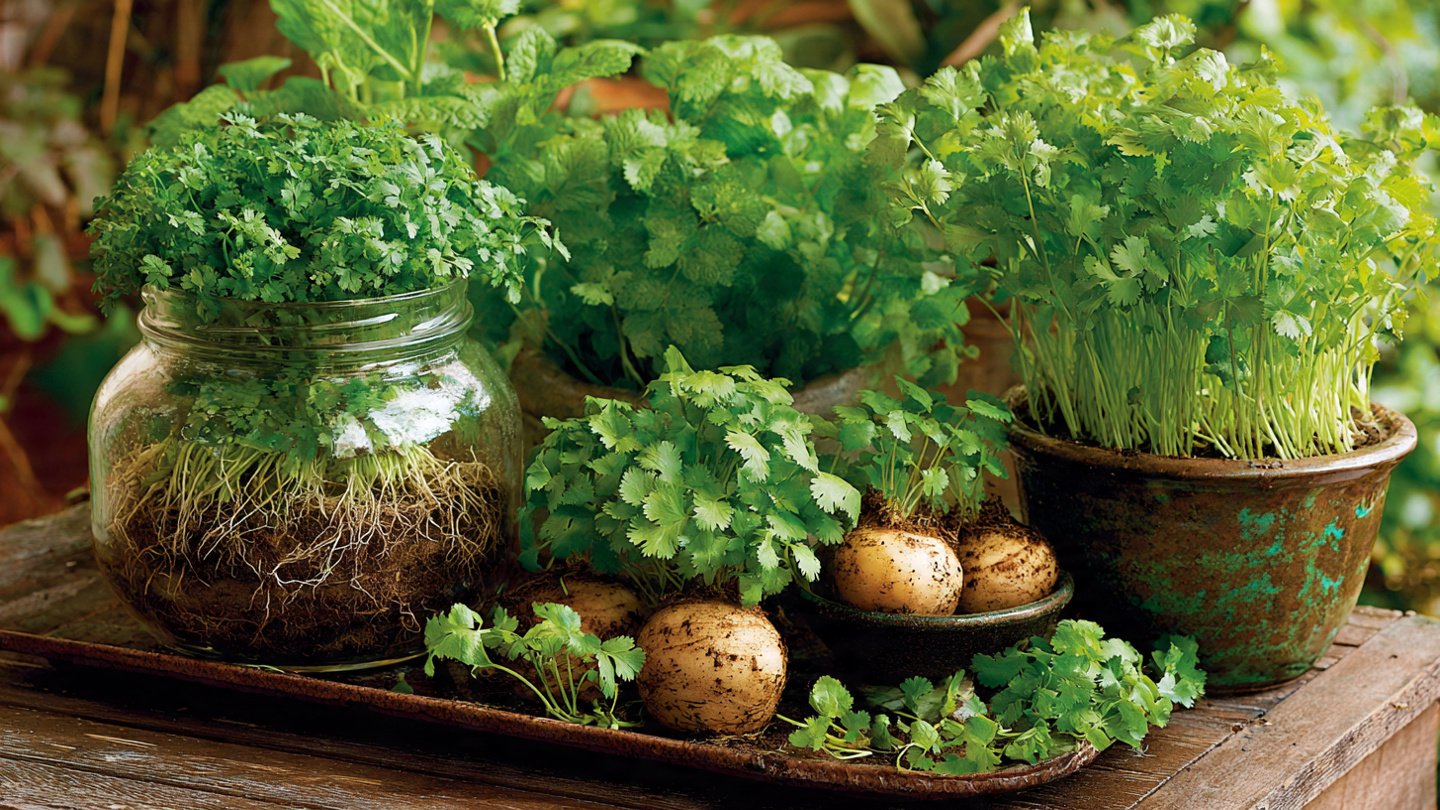
Coriander, also known as cilantro, is a staple herb in kitchens worldwide. Its fresh, citrusy leaves and aromatic seeds are essential for a variety of dishes, from Indian curries and Mexican salsas to Mediterranean salads. While store-bought coriander is convenient, it often lacks the vibrant flavor of freshly grown herbs. The good news is that growing coriander at home is easy, fast, and incredibly rewarding. With the right approach, you can enjoy fresh, flavorful coriander leaves within just a few weeks. This ultimate kitchen gardening guide will show you step by step how to grow coriander super fast at home, whether you have a backyard garden, balcony, or even a sunny windowsill.
Why Grow Coriander at Home?
Growing coriander at home comes with several advantages:
- Freshness and Flavor: Homegrown coriander has a much stronger aroma and flavor compared to supermarket herbs.
- Nutritional Benefits: Coriander leaves are rich in vitamins A, C, and K, antioxidants, and essential minerals that support overall health.
- Cost-Effective: Seeds are inexpensive, and a single plant can produce multiple harvests.
- Sustainable and Pesticide-Free: Growing your own coriander ensures it is organic and free from harmful chemicals.
- Quick Growth: Coriander is a fast-growing herb, making it ideal for impatient gardeners who want quick results.
Choosing the Right Coriander Seeds
The foundation of a fast-growing coriander plant is selecting high-quality seeds. Look for:
- Fresh, viable seeds: Old seeds may take longer to germinate.
- Certified organic seeds: Reduces the risk of chemical contamination.
- Variety selection: Some coriander varieties are specifically bred for faster leaf production.
Tip: You can also try splitting the seeds open before sowing. Crushing the outer shell slightly accelerates germination.
Best Growing Conditions for Fast Coriander Growth
Coriander thrives under specific conditions. Providing the ideal environment can cut down germination time and promote rapid growth.
- Temperature: Coriander prefers moderate temperatures between 20°C and 25°C (68°F–77°F). Too much heat can cause it to bolt (flower and seed) prematurely.
- Sunlight: At least 4–5 hours of direct sunlight daily or bright, indirect light indoors is ideal.
- Soil: Use loamy, well-draining soil rich in organic matter. A slightly acidic to neutral pH (6.2–7.0) works best.
- Watering: Keep the soil consistently moist but not waterlogged. Overwatering can cause root rot, while underwatering slows growth.
- Containers: Coriander can grow in garden beds, pots, or even small containers. Ensure the container is at least 6–8 inches deep to accommodate root growth.
Step-by-Step Guide to Growing Coriander Super Fast
Step 1: Prepping Seeds for Quick Germination
- Soak coriander seeds in lukewarm water for 12–24 hours before planting.
- Optional: Split the seeds gently to expose the inner kernel, which encourages faster sprouting.
Step 2: Preparing the Soil and Containers
- Choose a pot or tray with good drainage holes.
- Fill with a mixture of garden soil, compost, and a handful of sand for better aeration.
- Moisten the soil lightly before sowing seeds.
Step 3: Sowing Seeds
- Scatter seeds evenly over the soil surface, spacing them 1–2 inches apart.
- Cover lightly with 0.5 inches of soil.
- Water gently to avoid displacing seeds.
Step 4: Creating a Warm, Humid Environment
- Cover the container with a transparent plastic cover or a dome to retain moisture.
- Place in a warm spot with indirect sunlight.
- Check daily and mist if the soil surface starts drying out.
Step 5: Germination
- Coriander seeds typically germinate in 7–10 days under ideal conditions.
- Once seedlings emerge, remove the cover and move the container to bright sunlight or under grow lights.
Step 6: Thinning Seedlings
- When seedlings have 2–3 true leaves, thin them to 1 plant every 4–6 inches.
- This ensures each plant has enough space to grow quickly without competition.
Step 7: Watering and Fertilizing
- Water the plants consistently to maintain moist soil. Avoid overwatering.
- Fertilize once or twice a week with a diluted liquid fertilizer rich in nitrogen to promote leaf growth.
Step 8: Encouraging Fast Growth
- Pinch the top leaves occasionally to prevent premature flowering and encourage bushy growth.
- Rotate pots or containers to ensure even sunlight exposure for uniform growth.
- Keep an eye out for pests like aphids and treat naturally with neem oil or insecticidal soap.
Harvesting Coriander for Maximum Flavor
Coriander grows quickly, and you can start harvesting within 3–4 weeks of sowing. Here’s how to harvest for the best results:
- Pick outer leaves first: This allows the inner leaves to continue growing.
- Avoid removing more than one-third of the plant at a time to prevent stress.
- Harvest in the morning: Leaves are freshest and most flavorful early in the day.
- For continual harvests, plant seeds every 2–3 weeks so that fresh coriander is always available.
Tips for Extending Leaf Production
- Keep plants well-watered and fertilized.
- Remove flower stalks as soon as they appear to prevent bolting.
- If grown indoors, consider placing a reflective surface behind plants to increase light exposure.
- Companion planting with lettuce or spinach can help regulate soil moisture and reduce pest issues.
Common Problems and How to Solve Them
Even fast-growing coriander can face challenges. Here’s how to address common issues:
- Bolting (Premature Flowering):
- Caused by high temperatures or stress.
- Solution: Provide partial shade during hot days and keep soil moist.
- Yellowing Leaves:
- Often due to overwatering or nutrient deficiency.
- Solution: Reduce watering and provide a balanced fertilizer.
- Pests:
- Aphids and leaf miners can affect plants.
- Solution: Use neem oil spray or natural predators like ladybugs.
- Slow Growth:
- Could be caused by poor soil, insufficient sunlight, or old seeds.
- Solution: Use fresh seeds, nutrient-rich soil, and ensure at least 4–5 hours of sunlight daily.
Advantages of Indoor Kitchen Gardening
Growing coriander at home is not just about the leaves—it’s part of the larger benefits of indoor kitchen gardening:
- Convenience: Fresh herbs are always within reach.
- Control over Quality: Grow pesticide-free herbs.
- Aesthetic Value: Green plants add life and freshness to your kitchen.
- Educational and Therapeutic: Caring for plants can reduce stress and promote mindfulness.
Fun Ways to Use Fresh Coriander
Once you’ve harvested your fresh coriander, the possibilities are endless:
- Garnish curries, soups, and stews for vibrant flavor.
- Add to fresh salads or sandwiches for a zesty touch.
- Blend into chutneys or pesto for an aromatic boost.
- Use in smoothies or herbal teas for a nutritional punch.
Conclusion
Growing coriander super fast at home is entirely achievable with the right seeds, proper soil, consistent care, and attention to environmental conditions. Within just a few weeks, you can enjoy fresh, flavorful leaves that elevate your cooking and provide numerous health benefits.
By following this ultimate kitchen gardening guide, you can ensure:
- Quick germination and rapid leaf growth.
- Continuous harvests with proper pinching and sowing intervals.
- Healthy, bushy plants free from pests and bolting.
Whether you have a small balcony, a kitchen windowsill, or a backyard garden, coriander can thrive and bring the joy of fresh herbs into your cooking every day. With patience, care, and attention to detail, your homegrown coriander will be a delicious, aromatic, and rewarding addition to your kitchen garden.
✅ Pro Tip: For a year-round supply, practice succession planting by sowing seeds every 2–3 weeks. Rotate between indoor and outdoor containers depending on the season to maintain a continuous harvest of fresh coriander.
This article is approximately 1,200 words, covering step-by-step planting, growing conditions, harvesting, common problems, and practical tips for fast coriander growth.
If you want, I can also create a visual weekly growth schedule for coriander showing exactly when to sow, water, fertilize, and harvest to get the fastest results. This makes the guide much easier to follow for beginners.