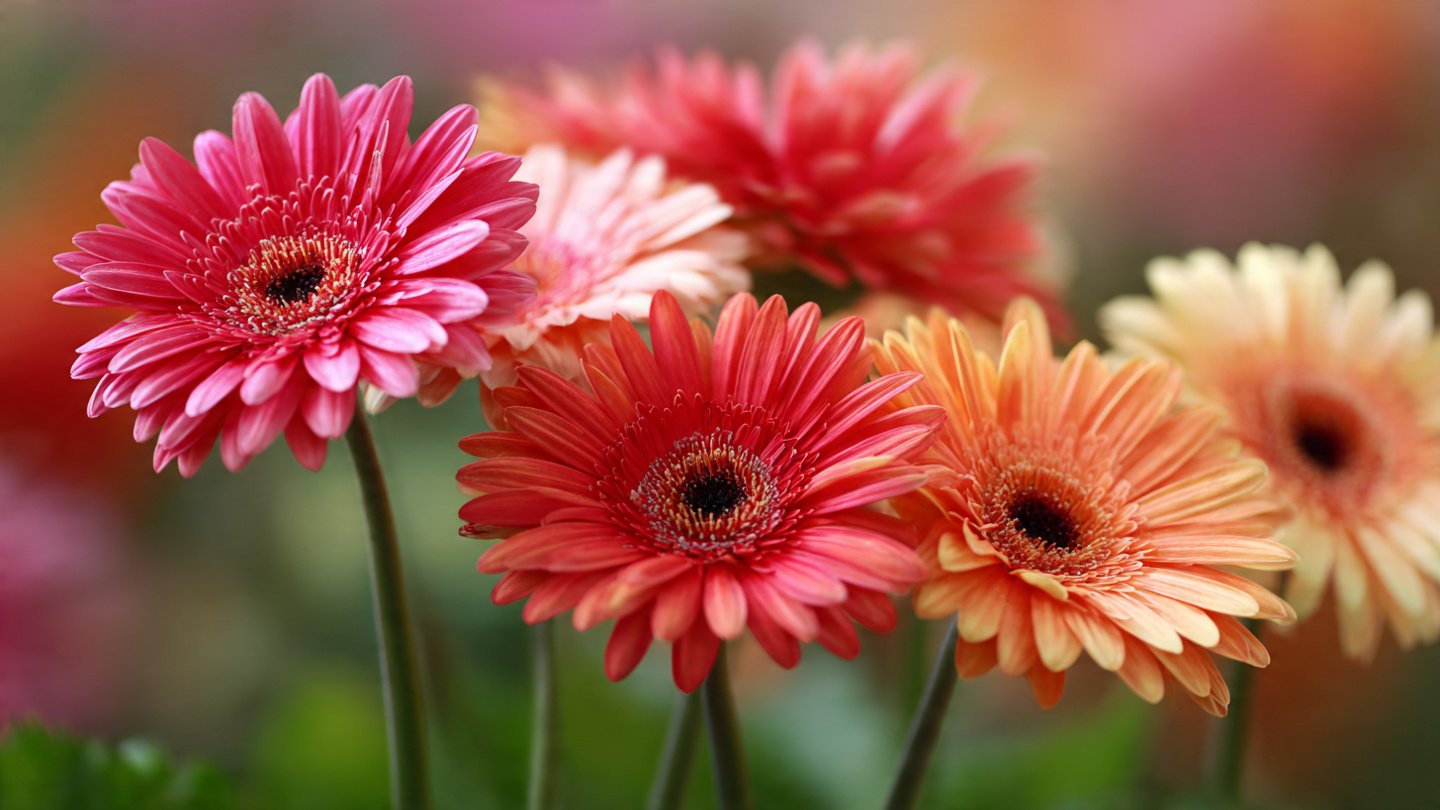
Gerbera daisies are among the most popular indoor flowering plants, known for their bright, cheerful blooms and long-lasting flowers. With a little care and attention, you can enjoy vibrant gerbera flowers indoors all year round. While some gardeners find indoor gerberas a bit challenging due to their specific requirements, this guide breaks down the process into easy, beginner-friendly steps for growing them successfully.
Why Grow Gerbera Indoors?
Indoor gerberas are a perfect choice for homes and offices for several reasons:
- Aesthetic appeal: Their bold colors—reds, yellows, oranges, pinks, and whites—instantly brighten up any room.
- Air purification: Gerberas are known to remove toxins like benzene and formaldehyde from the air, improving indoor air quality.
- Long-lasting blooms: Unlike many flowers, gerbera daisies bloom for weeks, giving you continuous enjoyment.
- Compact size: Perfect for windowsills, tabletops, and decorative planters.
Growing gerberas indoors allows gardeners to enjoy fresh flowers without needing a large garden space.
Choosing the Right Gerbera Variety
Selecting the right variety is key to success:
- Miniature varieties: Perfect for small indoor spaces and tabletops.
- Standard varieties: Produce larger blooms and require slightly more space.
- Bushy varieties: Provide full foliage and multiple blooms per plant.
For indoor growth, it’s best to start with healthy, nursery-bought plants, as seeds can take longer to germinate and may require specialized care.
Selecting the Perfect Indoor Location
Gerbera daisies need specific light and temperature conditions to thrive indoors:
- Light: Bright, indirect sunlight for 6–8 hours a day. South-facing windows are ideal, but avoid harsh direct sunlight that can scorch leaves.
- Temperature: Maintain a range of 18–24°C (65–75°F). Avoid drafts or sudden temperature changes.
- Air circulation: Good airflow prevents fungal diseases, but avoid placing them in drafty areas.
A proper location is crucial because light and temperature directly affect flowering and plant health.
Choosing the Right Container
The container plays a big role in indoor gerbera success:
- Size: A pot with a diameter of 6–8 inches is suitable for a single plant.
- Drainage: Ensure the container has adequate drainage holes to prevent waterlogging.
- Material: Clay, ceramic, or plastic pots are all fine, but terra-cotta pots allow better airflow to roots.
Good drainage and pot size prevent root rot, which is a common problem with indoor gerberas.
Preparing the Soil
Gerberas prefer well-draining, slightly acidic soil:
- Soil mix: Combine potting soil with perlite or sand for drainage and a small amount of organic compost for nutrients.
- pH level: Ideal pH is 5.5–6.5, slightly acidic to neutral.
- Avoid heavy garden soil, which can retain too much moisture and suffocate roots.
Healthy soil ensures strong roots and abundant blooms, which are key for successful indoor gerbera growth.
Planting the Gerbera
Once you have the right pot and soil, it’s time to plant:
- Fill the container about two-thirds full with the prepared soil mix.
- Place the plant in the center, spreading the roots gently.
- Fill in around the roots with soil, leaving the crown (the base of the leaves) slightly above soil level.
- Press lightly to secure the plant, but do not compact the soil too much.
- Water lightly to settle the soil.
Proper planting ensures the roots have room to grow and reduces the risk of crown rot.
Watering Gerberas Indoors
Watering is one of the most critical aspects of indoor gerbera care:
- Keep the soil evenly moist, but avoid soggy soil.
- Water at the base of the plant, not on the leaves, to prevent fungal infections.
- Reduce watering in cooler months when the plant’s growth slows down.
Overwatering is a common mistake, so it’s important to check soil moisture before watering. A finger test is effective: if the top inch of soil is dry, it’s time to water.
Fertilizing for Continuous Blooms
Gerberas are heavy feeders and need nutrients for vibrant flowers:
- Use a balanced liquid fertilizer every 2–3 weeks during the growing season.
- Fertilizers with higher phosphorus content encourage more blooms.
- Avoid over-fertilization, which can lead to excessive foliage growth at the expense of flowers.
Regular feeding ensures healthy leaves and abundant, long-lasting blooms.
Pruning and Deadheading
Proper maintenance keeps your indoor gerbera healthy and encourages continuous flowering:
- Deadheading: Remove faded blooms by cutting them close to the base. This directs energy toward new flowers.
- Pruning: Trim yellow or damaged leaves to maintain plant health and appearance.
- Spacing: Avoid overcrowding multiple plants in the same pot to improve air circulation.
Routine pruning not only keeps the plant looking attractive but also stimulates new flower production.
Controlling Pests and Diseases
Indoor gerberas are relatively resistant but can encounter problems if conditions are not ideal:
- Aphids: Spray gently with neem oil or soapy water.
- Spider mites: Wipe leaves with a damp cloth and maintain humidity.
- Powdery mildew: Ensure proper air circulation and avoid wetting leaves when watering.
- Root rot: Prevent by using well-draining soil and proper watering.
Early detection and treatment are key to healthy, long-lasting plants.
Repotting and Longevity
Indoor gerberas benefit from occasional repotting:
- Repot every 1–2 years to refresh soil and provide more space for root growth.
- Choose a slightly larger container each time.
- Trim roots gently if they are compacted and remove any rotted sections.
Repotting rejuvenates the plant, ensuring continued flowering and vigorous growth for several years.
Tips for Year-Round Indoor Flowering
- Maintain consistent light: During winter, supplement with grow lights if necessary.
- Humidity: Gerberas prefer moderate humidity (40–60%). Mist lightly if indoor air is dry.
- Rotate the pot: Turn the plant every few days for even growth.
- Remove spent blooms promptly to encourage new ones.
- Monitor temperature: Keep plants away from cold drafts or heating vents.
By following these tips, you can enjoy continuous blooms indoors, creating a cheerful, colorful environment.
Using Indoor Gerberas in Home Decor
Indoor gerberas are not just plants—they are living decorations:
- Table centerpieces: Bright blooms make any dining table pop.
- Windowsills: Add a splash of color and attract natural light.
- Office desks: Improve mood and productivity while purifying the air.
- Gift plants: Gerberas are a thoughtful and beautiful gift.
Their versatility makes them perfect for any room or occasion, combining beauty with functionality.
Conclusion
Growing indoor gerberas is a rewarding and enjoyable experience, even for beginners. By following the steps in this comprehensive guide, you can cultivate vibrant, long-lasting blooms that brighten your home all year round.
Key takeaways:
- Choose healthy nursery plants or seeds suited for indoor growth.
- Provide bright, indirect sunlight and moderate temperatures.
- Use well-draining soil and containers with proper drainage.
- Water carefully to maintain even moisture without overwatering.
- Fertilize regularly to promote continuous flowering.
- Deadhead faded blooms and prune damaged leaves.
- Monitor for pests and diseases to maintain plant health.
- Repot every 1–2 years to refresh soil and allow root expansion.
With attention to these details, your indoor gerbera plants will reward you with cheerful flowers, healthy foliage, and a splash of color in your home. Whether for your living room, kitchen, or office, indoor gerberas are a bright, easy-to-grow choice that combines beauty, air-purifying benefits, and gardening satisfaction.