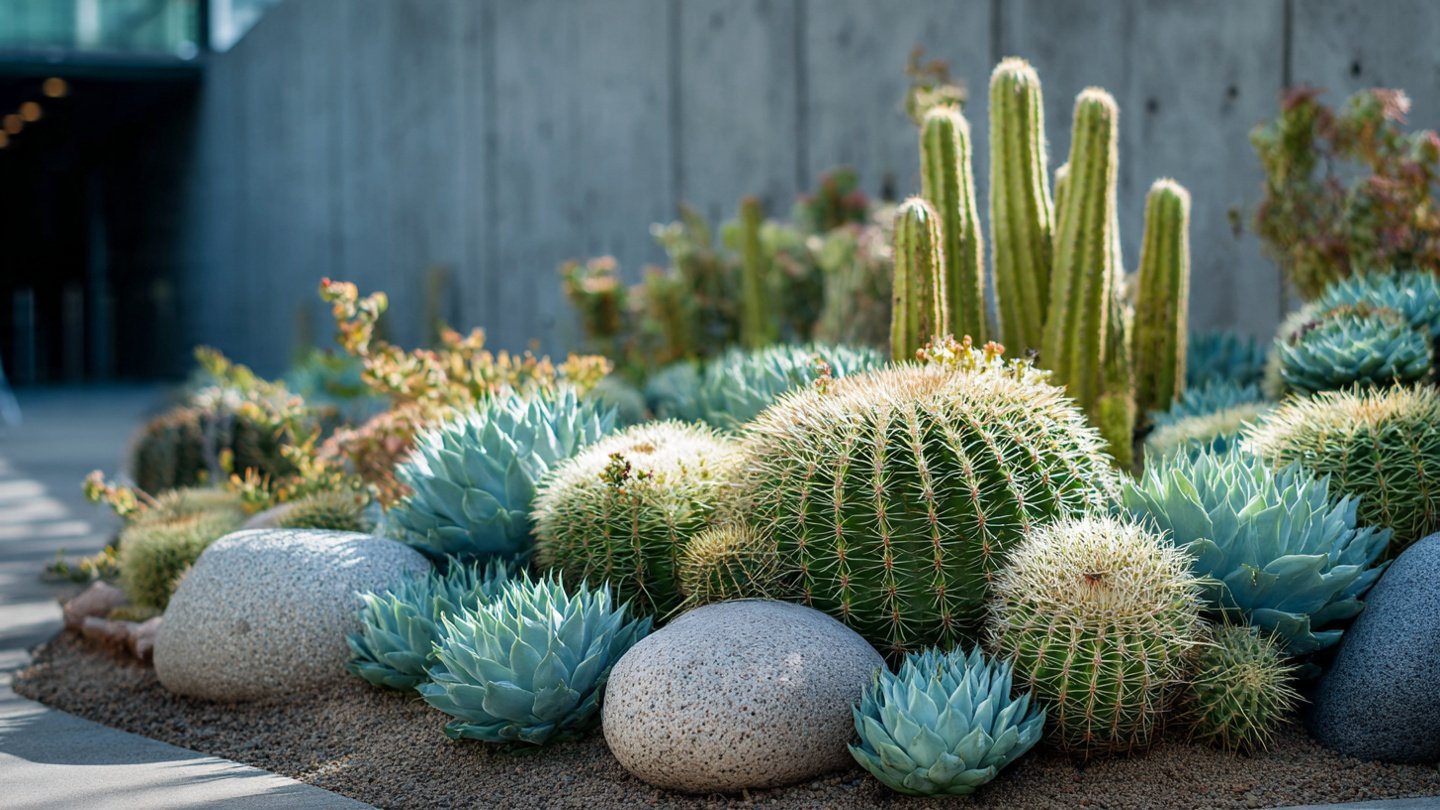
The Century Plant (Agave americana), also known as the American agave or maguey, is one of the most striking succulents in the plant world. With its dramatic rosettes of thick, spiky leaves and bold architectural presence, it has become a favorite for gardeners, landscapers, and interior plant enthusiasts alike. Despite its name, this hardy succulent doesn’t actually live for a century—but its slow, majestic growth and monumental flowering stalk can create a jaw-dropping impact in any garden or outdoor space.
If you’re looking to elevate your landscape or transform your home garden with a stunning, sculptural plant, growing a Century Plant is an excellent choice. This guide will show you step-by-step how to grow, care for, and display this succulent for maximum architectural effect.
Step 1: Understanding the Century Plant
Before planting, it’s helpful to understand what makes this plant unique:
- Growth Habit: Century plants grow in a rosette form, with thick, blue-green leaves that have sharp spines along the edges. Mature plants can reach 6–10 feet in diameter in ideal conditions.
- Life Cycle: True to its name, the plant is slow-growing, often taking 10–30 years to flower. However, even before flowering, its sculptural form makes it a standout feature.
- Flowering: When it flowers, it produces a towering stalk up to 20–30 feet tall with clusters of yellow blossoms. After flowering, the main plant dies, but offsets or “pups” around the base continue the life cycle.
- Environmental Preferences: Native to arid and semi-arid regions, it thrives in full sun, well-draining soil, and dry climates.
Step 2: Choosing the Right Variety
There are several cultivars of Century Plant to consider:
- Agave americana ‘Marginata’: Features yellow-edged leaves and strong architectural appeal.
- Agave americana ‘Mediopicta Alba’: Striking white-centered leaves that create a unique focal point.
- Agave americana var. medio-picta: A smaller variant, ideal for containers or patios.
Select a variety based on your space, climate, and desired visual impact. Larger varieties work well as garden focal points, while smaller cultivars can enhance patios, courtyards, or rock gardens.
Step 3: Choosing the Right Location
The Century Plant is a sun-lover, and location is key for healthy growth:
- Sunlight: Provide full sun for at least 6–8 hours daily. Insufficient light can result in weak, elongated leaves.
- Space: Give the plant plenty of room to spread. Adult plants require a radius of 3–5 feet to avoid overcrowding.
- Soil: Use well-draining soil to prevent root rot. Sandy or gravelly soil works best. Avoid clay-heavy or waterlogged soils.
Step 4: Planting Your Century Plant
For Garden Planting:
- Dig a hole slightly larger than the plant’s root ball.
- Mix soil with sand or small gravel to improve drainage.
- Place the plant in the hole, ensuring the base of the rosette is slightly above ground level to prevent water accumulation.
- Backfill gently and water lightly.
For Container Planting:
- Choose a wide, deep pot with drainage holes.
- Fill the container with a succulent or cactus potting mix.
- Position the plant in the center and lightly firm the soil around the roots.
Container planting allows you to move the plant to optimize sunlight or protect it during cold winters.
Step 5: Watering and Irrigation
Century plants are drought-tolerant but require careful watering during establishment:
- New Plants: Water once a week during the first growing season. Allow the soil to dry out completely between watering.
- Established Plants: Reduce watering to once every 2–3 weeks or less, depending on rainfall.
- Avoid Overwatering: Excess water can cause root rot and leaf yellowing.
Tip: Use drip irrigation or a soaker hose for garden plantings to provide deep watering while keeping leaves dry.
Step 6: Fertilization
Century plants are light feeders, but occasional fertilization encourages healthy growth and stronger leaves:
- Use a slow-release succulent fertilizer in spring.
- Avoid high-nitrogen fertilizers, which can make leaves soft and less structurally striking.
- For container plants, a diluted liquid cactus fertilizer every 4–6 weeks during the growing season is ideal.
Step 7: Pruning and Maintenance
While Century plants are low-maintenance, regular care ensures they remain visually striking:
- Remove Dead Leaves: Trim brown or damaged leaves close to the rosette using gloves and pruning shears.
- Protect Yourself: Always wear gloves and eye protection—leaves have sharp spines that can cause injury.
- Offset Management: Remove or replant offsets (pups) to control plant size or propagate new plants.
Pruning and maintenance keep the plant tidy and emphasize its architectural form.
Step 8: Maximizing Architectural Impact
The Century Plant’s natural form makes it ideal for creating bold, eye-catching landscapes:
- Garden Focal Point: Place a large plant in a central location or entryway for instant visual drama.
- Rock Gardens: Pair with gravel, boulders, and other succulents to create a desert-inspired landscape.
- Container Displays: Position in a large pot on patios, decks, or courtyards to draw attention.
- Symmetrical Layouts: Use multiple plants to frame pathways or create sculptural borders.
Its striking leaves and vertical growth naturally lend themselves to both modern and Mediterranean-inspired landscapes.
Step 9: Propagating Century Plants
Century plants produce offsets or pups around the base, which can be used to propagate new plants:
- Carefully remove pups with a sharp knife or garden spade.
- Allow the pup to dry for a day or two to form a callus over cut areas.
- Plant in well-draining soil and water lightly until roots establish.
Propagation ensures that your garden continues to have new plants without purchasing additional specimens.
Step 10: Flowering and Lifespan
Although the name suggests a 100-year lifespan, most Century plants flower after 10–30 years:
- The flower stalk can reach up to 20–30 feet in height.
- Flowers are typically yellow and attract pollinators like bees and hummingbirds.
- After flowering, the main plant dies, but offsets continue the cycle.
Even if your plant doesn’t flower in your lifetime, its sculptural leaves create a stunning impact.
Step 11: Pests and Disease Management
Century plants are hardy but can encounter some pests:
- Common Pests: Mealybugs, scale insects, and agave snout weevils.
- Prevention: Inspect regularly, remove dead leaves, and avoid excessive moisture.
- Treatment: Use insecticidal soap or neem oil for minor infestations. For severe cases, consult local plant experts.
Good air circulation and sun exposure reduce the risk of fungal diseases.
Step 12: Tips for Thriving Century Plants
- Sunlight is Critical: Full sun enhances leaf color, strength, and shape.
- Minimal Watering: Overwatering is the most common mistake—less is more.
- Spacing: Allow adequate room for dramatic growth.
- Soil Drainage: Well-draining soil is essential to prevent root rot.
- Winter Care: In cooler climates, protect plants with frost cloths or move container plants indoors.
Step 13: Combining with Other Plants
Century plants pair beautifully with other drought-tolerant plants for striking landscapes:
- Other Succulents: Echeveria, Agave, Aloe, and Yucca.
- Ornamental Grasses: Adds movement and texture to complement the bold rosettes.
- Flowering Perennials: Lavender, Salvia, or Penstemon can soften the landscape while highlighting the plant’s structure.
Layering textures and heights creates a dynamic and visually appealing garden.
Step 14: Indoor vs Outdoor Considerations
While Century plants are best outdoors for full growth, they can thrive in large containers indoors:
- Provide bright, indirect sunlight or supplemental grow lights.
- Maintain dry soil conditions and avoid overwatering.
- Rotate the plant periodically to encourage symmetrical growth.
- Use as a statement piece in large interior spaces, lobbies, or conservatories.
Even indoors, a Century Plant adds bold, sculptural elegance to any room.
Conclusion
The Century Plant is the perfect choice for gardeners and designers seeking architectural impact. With its dramatic rosettes, sculptural leaves, and occasional towering flower stalk, it transforms ordinary spaces into visually stunning landscapes. By choosing the right location, providing sun, water, and soil conditions, and practicing minimal but effective maintenance, you can cultivate a thriving Century Plant that becomes a focal point in your garden, patio, or indoor space.
Whether used as a standalone statement plant, a centerpiece in a rock garden, or a container accent on a terrace, the Century Plant commands attention and adds timeless beauty. With patience and care, you can grow this striking succulent at home and enjoy the bold, architectural statement it brings to your environment.
Embrace the slow, deliberate growth of the Century Plant, and watch as it transforms your space into a lush, sculptural haven of succulents.