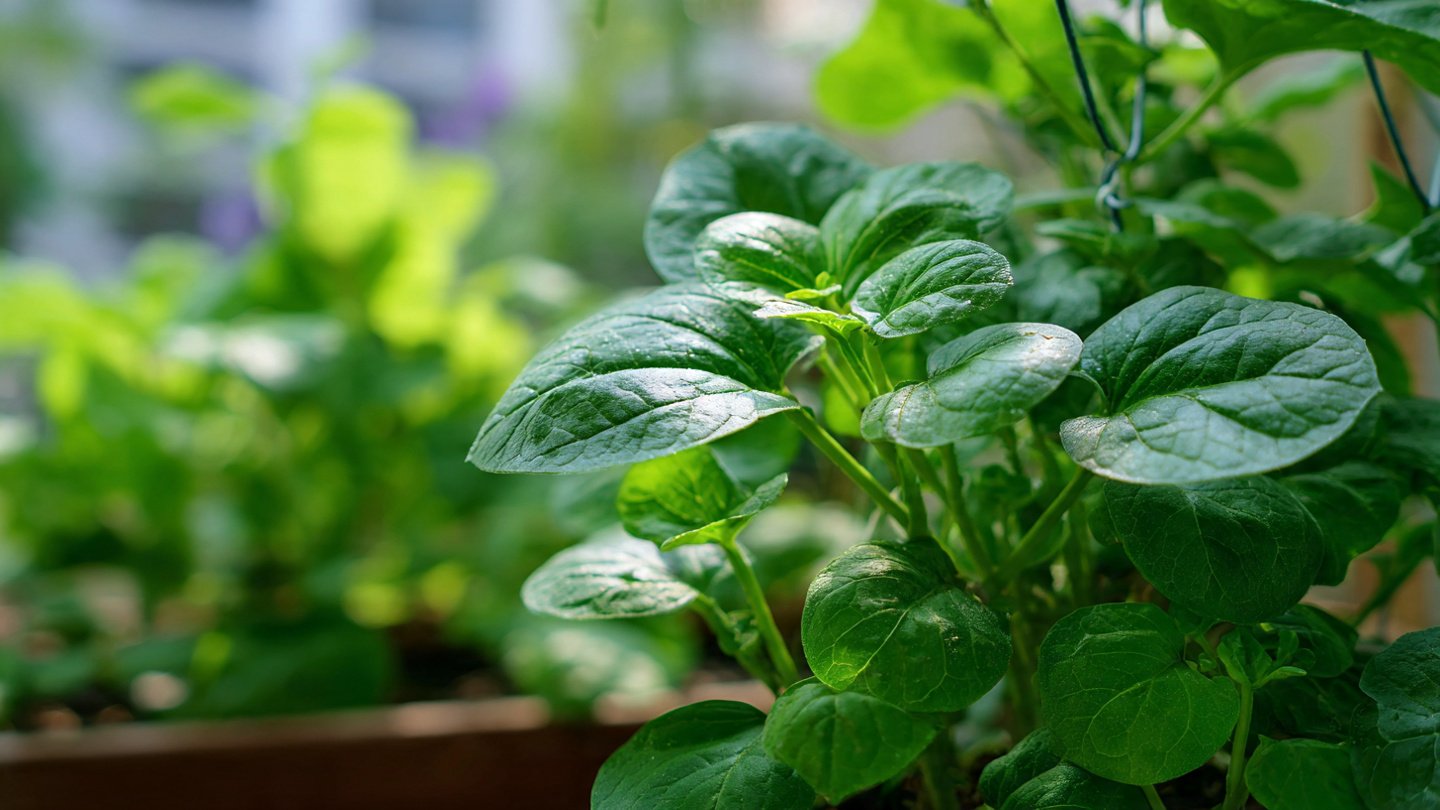
Malabar spinach, also known as Basella alba or Basella rubra, is a tropical leafy green celebrated for its fast growth, nutrient-rich leaves, and versatility in the kitchen. Unlike common spinach, Malabar spinach is a vining plant that typically grows as a climber. But what if you don’t have trellises, fences, or other structures to support it? The good news is that with proper care and techniques, you can grow Malabar spinach without a traditional climber, making it an excellent choice for urban gardeners, small spaces, or container gardening.
This complete guide will explain how to grow Malabar spinach successfully, even without a vertical support, while ensuring lush, healthy leaves and a productive harvest.
Understanding Malabar Spinach Growth Habits
Before diving into cultivation, it’s important to understand the plant itself:
- Vining Nature: Malabar spinach naturally produces long, trailing vines that can climb fences, trellises, or other supports.
- Leaf Production: The plant produces thick, glossy leaves rich in vitamins A, C, calcium, and iron.
- Temperature Preference: It thrives in warm, humid conditions and grows quickly in summer climates.
- Growth Flexibility: While it prefers climbing, the plant is adaptable. With proper pruning and support alternatives, it can be grown as a bushy, semi-trailing plant, perfect for small spaces.
Growing Malabar Spinach Without a Climber: Is It Possible?
Yes! Although Malabar spinach naturally climbs, you can cultivate it without traditional vertical support by using bushy-growing techniques, container management, and careful pruning.
Benefits of growing without a climber include:
- Space Efficiency: Ideal for balconies, patios, and indoor setups.
- Ease of Harvesting: Leaves are easier to pick when they grow in a bushy formation.
- Aesthetic Appeal: Trailing or bushy plants can serve as natural décor in containers or raised beds.
Step 1: Choosing the Right Variety
Malabar spinach comes in two main varieties:
- Basella alba (green-stemmed): Has mild-tasting leaves and produces thick green stems.
- Basella rubra (red-stemmed): Adds color to the garden or container with red stems and veins.
Both varieties can be grown without climbers. Green-stemmed types are easier to manage for compact, bushy growth, while red-stemmed types offer an ornamental touch to your space.
Step 2: Selecting a Container or Growing Space
If you’re not using a trellis or climber, containers are a perfect option:
- Container Size: Choose a pot at least 12 inches deep and 12–18 inches wide to accommodate root growth. Larger containers promote bushier growth.
- Drainage: Ensure proper drainage holes to prevent root rot.
- Soil: Use rich, well-draining soil mixed with compost to provide nutrients for fast-growing leaves.
For garden beds, you can plant Malabar spinach directly into loose, fertile soil. Leaving enough space between plants ensures they grow as semi-trailing bushes rather than overcrowded vines.
Step 3: Sowing Seeds
Malabar spinach is usually grown from seeds:
- Seed Preparation: Soak seeds in water overnight to improve germination.
- Planting Depth: Sow seeds about 1/2 inch deep in soil.
- Spacing: If growing in the ground, maintain 12–18 inches between plants for bushy growth. For containers, 2–3 seeds per pot are sufficient.
- Watering: Keep soil moist but not waterlogged. Seeds generally germinate in 7–14 days under warm conditions.
Step 4: Promoting Bushy Growth Without Climbing
If you don’t have a vertical support, the key is to train the plant to grow bushy instead of climbing. Here’s how:
1. Regular Pruning
- Pinch or cut the growing tips once the plant reaches 6–8 inches tall.
- This encourages side shoots to develop, creating a denser, bushier plant.
- Regular pruning also promotes new leaf growth for continuous harvesting.
2. Using Containers Strategically
- Plant in wide, shallow containers rather than tall narrow pots.
- This encourages lateral growth instead of vertical climbing.
- Place multiple containers close together to create a compact, bushy garden effect.
3. Optional Supports
Even without traditional climbers, you can provide minimal support:
- Small stakes can help vines avoid sprawling excessively.
- Alternatively, allow the plant to trail over the edges of containers, creating a cascading, decorative look.
Step 5: Watering and Feeding
Malabar spinach loves water and nutrients:
- Watering: Keep the soil consistently moist but not soggy. The plant thrives in warm, humid conditions.
- Fertilizing: Feed every 2–3 weeks with a balanced liquid fertilizer or compost tea to encourage rapid leaf growth.
- Mulching: Applying mulch helps retain soil moisture, regulate temperature, and suppress weeds.
Proper hydration and nutrients are essential for bushy growth, especially without vertical climbing where leaves may otherwise become sparse.
Step 6: Sunlight and Temperature Requirements
- Sunlight: Malabar spinach prefers full sun to partial shade. At least 6 hours of sunlight per day encourages strong, healthy growth.
- Temperature: The ideal growing temperature is between 75–95°F (24–35°C). Avoid frost, as this tropical plant is sensitive to cold.
- Indoor Growing: If growing indoors, place the plant near a bright window or under a grow light to ensure sufficient light for photosynthesis.
Step 7: Harvesting Malabar Spinach
One of the advantages of growing Malabar spinach without a climber is easy harvesting:
- Begin harvesting leaves once the plant reaches 8–12 inches in height.
- Pick young, tender leaves for salads and cooking.
- Regular harvesting encourages new leaf production and keeps the plant bushy.
- Avoid cutting too many leaves at once — always leave at least one-third of the plant to continue photosynthesis and growth.
Step 8: Common Problems and How to Solve Them
Even bushy Malabar spinach requires monitoring to stay healthy. Here are common issues and solutions:
1. Leggy or Sparse Growth
- Cause: Insufficient sunlight or lack of pruning.
- Solution: Move the plant to a brighter location and pinch growing tips to promote side shoots.
2. Yellowing Leaves
- Cause: Overwatering or nutrient deficiency.
- Solution: Reduce watering frequency, check drainage, and fertilize with compost or a balanced fertilizer.
3. Pests
- Common pests include aphids, whiteflies, and spider mites.
- Solution: Spray with neem oil or mild insecticidal soap and maintain good airflow around plants.
4. Disease Prevention
- Avoid overcrowding and water directly at the soil to reduce fungal infections.
Step 9: Tips for Maximizing Growth Without Climbing
- Choose bushy varieties: Some Malabar spinach strains naturally grow more compact and are better suited for container or bushy growth.
- Prune consistently: Regular pruning encourages lateral growth and prevents sprawling.
- Use companion planting: Plants like basil or marigold can help deter pests.
- Rotate containers: If growing in pots, rotate them to ensure even sunlight exposure.
- Harvest regularly: Frequent leaf picking stimulates new growth and keeps the plant productive.
Benefits of Growing Malabar Spinach Without a Climber
- Space-Friendly: Perfect for balconies, patios, or small yards.
- Continuous Harvest: Dense, bushy growth produces more leaves over time.
- Low Maintenance: Minimal structural support needed.
- Nutrient-Rich: Packed with iron, calcium, and vitamins A and C.
- Decorative: Lush, trailing leaves add greenery to any container garden.
Conclusion
Malabar spinach is a versatile, fast-growing tropical plant that can thrive even without a traditional climber. By choosing the right variety, planting in suitable containers, pruning regularly, and providing proper care, you can grow a bushy, productive Malabar spinach plant in small spaces.
Whether you’re gardening on a balcony, rooftop, or indoors, this leafy green offers a continuous harvest of nutritious leaves, easy maintenance, and vibrant greenery. By following these beginner-friendly techniques, you can enjoy homegrown Malabar spinach without the need for trellises, fences, or climbing structures — proving that even vining plants can adapt beautifully to compact spaces.
Growing Malabar spinach without a climber is not only possible, it can also be fun, rewarding, and aesthetically pleasing. With the right care, your bushy Malabar spinach plant will provide a lush, sustainable source of fresh greens for months, making it a must-have for small-space gardeners and urban growers.