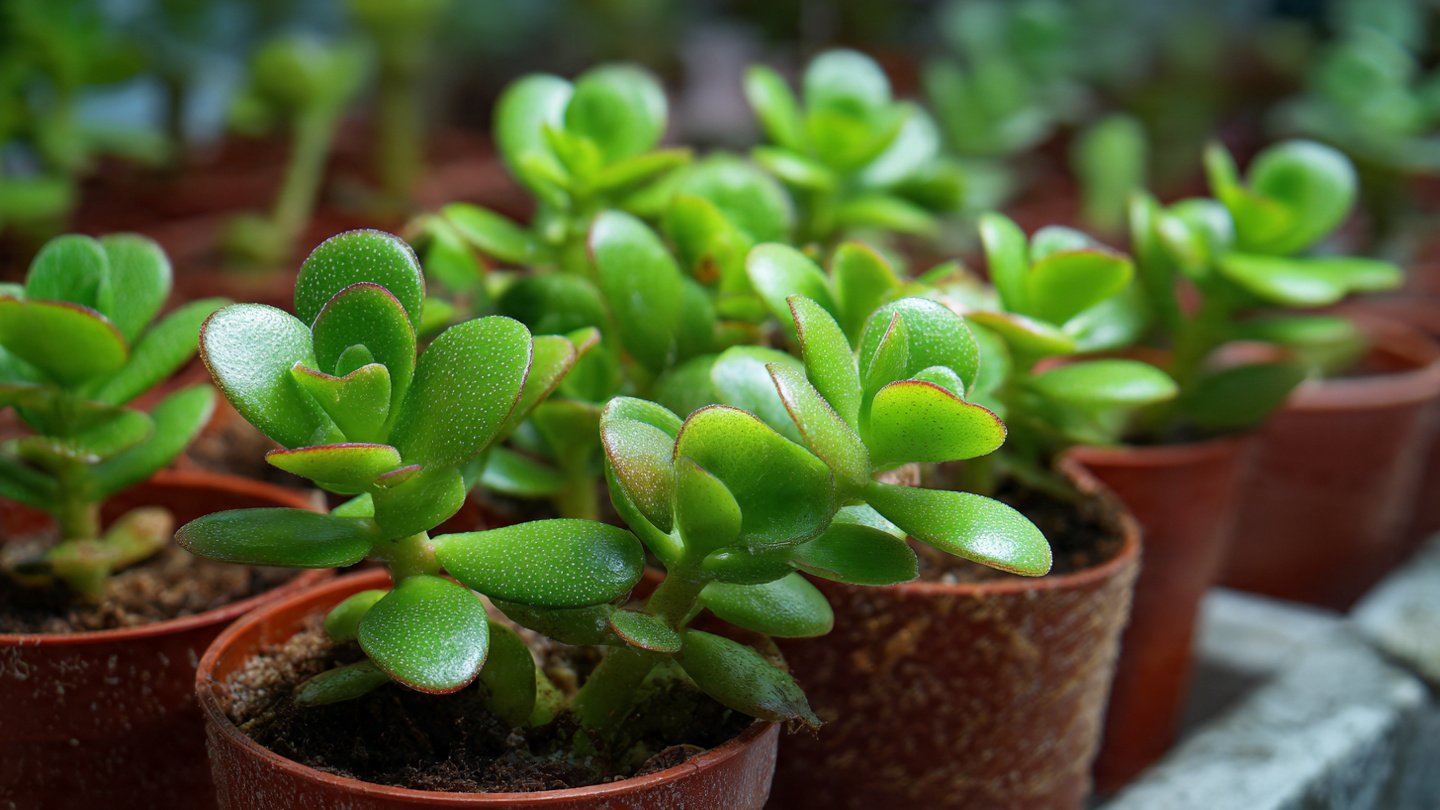
The Jade Plant (Crassula ovata) is a beloved succulent known for its thick, glossy leaves, sturdy stems, and easy-care nature. Beyond being a resilient houseplant, the jade plant is also highly rewarding to propagate, allowing gardeners to grow new plants from a single leaf. Leaf propagation is not only a cost-effective way to expand your plant collection but also a fun and educational experience for beginners and experienced gardeners alike.
This step-by-step guide will walk you through how to propagate jade plant leaves successfully, ensuring healthy roots, vibrant growth, and long-lasting plants.
Why Propagate Jade Plants from Leaves?
Leaf propagation is a simple and effective way to multiply your jade plant collection. The benefits include:
- Cost savings: No need to buy new plants
- Easy to do: Even beginners can succeed
- Fast results: New plantlets can form within a few weeks
- Low risk: Leaves naturally store water, reducing stress during propagation
While jade plants can also be propagated through stem cuttings, leaf propagation is gentler and works well for creating multiple small plants from a single parent plant.
Step 1: Choose Healthy Leaves
The success of propagation starts with selecting the right leaves.
What to Look For
- Fully mature, healthy leaves that are thick, firm, and plump
- Free of damage, disease, or pests
- Avoid very old or small leaves, as they may not root easily
Use a clean, sharp knife or gently twist the leaf to detach it from the stem, ensuring a clean break. A proper break increases the likelihood of rooting.
Step 2: Let Leaves Callus Over
Once you’ve removed the leaves, it’s important to allow them to callus.
Why Callusing Matters
- Prevents rotting when planted in soil
- Helps the leaf heal naturally from the cut
How to Callus
- Place the leaves on a dry, shaded surface
- Keep them away from direct sunlight and moisture
- Allow them to dry for 2–5 days or until the cut end forms a hardened layer
Callusing is a critical step that many beginners overlook, but it significantly increases propagation success.
Step 3: Prepare the Propagation Medium
Jade plant leaves root best in well-draining soil.
Recommended Soil Mix
- 50% cactus or succulent potting mix
- 50% perlite or coarse sand for drainage
Avoid standard garden soil, as it retains too much moisture and can cause rot. Fill a shallow tray or small pots with the prepared soil mix.
Step 4: Plant the Leaves Correctly
Now it’s time to plant your callused leaves.
Step-by-Step Planting
- Make a small indentation in the soil using your finger or a pencil
- Place the cut end of the leaf slightly into the soil (not buried completely)
- Ensure the leaf is stable and upright, but do not force it too deep
- Lightly press the soil around the base to support the leaf
This orientation ensures that the leaf can produce roots at the cut end while the top remains healthy.
Step 5: Provide Proper Watering
Watering is crucial and must be done carefully to prevent rot.
Watering Guidelines
- Mist lightly once every 5–7 days
- Do not soak the soil
- Allow soil to dry completely between waterings
Overwatering is the most common cause of failure in leaf propagation. The leaves store water naturally, so patience is key.
Step 6: Choose the Right Light Conditions
Jade plant leaves need bright, indirect light during propagation.
- Avoid direct sunlight, which can scorch tender leaves
- Place near a window with filtered light or in a bright room
- Indoor fluorescent or LED grow lights work well if sunlight is limited
Proper lighting encourages root formation and prevents stretching or leggy growth.
Step 7: Be Patient During Rooting
Root formation is the slowest part of the process, and it requires patience.
- Timeline: Roots usually appear within 3–4 weeks, sometimes longer depending on temperature and humidity
- Look for tiny white roots emerging from the cut end
- Leaf may shrink slightly as it uses stored nutrients to develop roots
During this period, maintain consistent light, air circulation, and careful watering.
Step 8: Encourage Leaf Growth
After roots develop, the leaf will begin producing a small new plant (pup) at the base.
Signs of Growth
- Tiny green shoots emerging near the base
- Leaf remains firm and healthy
- Slight increase in size over several weeks
Once the new plantlet grows a few sets of leaves, it can be treated like a regular jade plant.
Step 9: Transplant New Plants
When the plantlet reaches 2–3 inches tall, it’s ready for transplanting.
Transplanting Steps
- Prepare a small pot with well-draining succulent soil
- Gently remove the plantlet with roots intact from the tray
- Plant in the soil, keeping the original leaf attached if still healthy
- Water lightly after planting
Transplanting helps the new plant develop a strong root system for long-term growth.
Step 10: Caring for Your Propagated Jade Plants
Once established, treat the new plants like mature jade plants:
- Sunlight: Bright, indirect light or partial sun
- Watering: Deep watering every 2–3 weeks; allow soil to dry between watering
- Fertilizing: Use a diluted succulent fertilizer once a month during growing season
- Pruning: Remove any shriveled leaves and encourage strong branching
With proper care, your propagated jade plant will thrive and eventually grow into a full, mature plant.
Common Mistakes to Avoid
- Not letting leaves callus: Leads to rot
- Overwatering: Causes fungal growth and leaf decay
- Placing in direct sun: Can burn tender leaves
- Using heavy soil: Poor drainage leads to root rot
- Impatience: Leaves need weeks to root; rushing can damage them
Awareness of these mistakes increases the chance of successful propagation.
Tips for Successful Leaf Propagation
- Choose healthy, mature leaves for best results
- Keep propagation area well-ventilated
- Label leaves with date of propagation to track progress
- Use clean tools to avoid contamination
- Rotate leaves occasionally for even light exposure
Following these tips ensures higher success rates and stronger new plants.
Benefits of Propagating Jade Plants
- Affordable way to expand your plant collection
- Fun and educational—great for beginners or kids
- Sustainable gardening—reduces need to buy new plants
- Creates beautiful gifts—propagated jade plants make thoughtful, living gifts for friends and family
Leaf propagation allows gardeners to connect with their plants in a meaningful, hands-on way.
Final Thoughts
Propagating jade plant leaves is a simple, rewarding, and educational way to grow new plants from a single parent. By carefully selecting healthy leaves, allowing them to callus, planting in well-draining soil, misting correctly, and providing proper light, even beginners can achieve successful growth and thriving new jade plants.
With patience and attention, your propagated jade plants will flourish, producing beautiful, glossy leaves and eventually growing into stunning, mature plants. Not only does leaf propagation save money, but it also allows gardeners to experience the satisfaction of nurturing life from a single leaf.
Starting with one leaf can eventually lead to a lush collection of jade plants, creating a vibrant, green indoor space that is both rewarding and aesthetically pleasing. 🌱