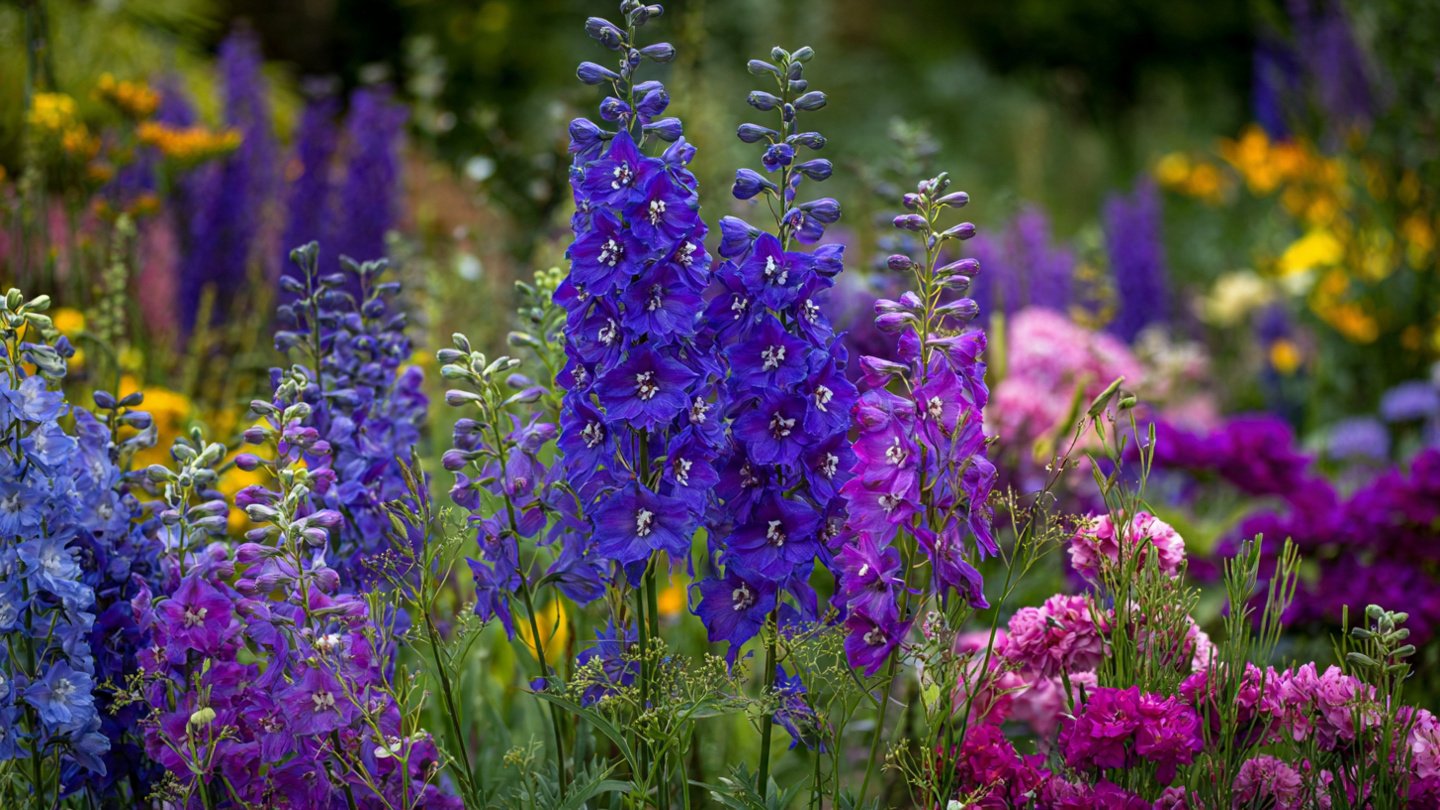
Larkspur (Delphinium spp.) is a stunning garden favorite, famous for its tall, elegant flower spikes and vibrant colors ranging from deep blues to soft pinks and whites. Known for creating dramatic vertical accents in flower beds and borders, larkspur is perfect for gardeners looking to add height, charm, and a pop of color to their outdoor space.
Growing larkspur successfully requires some attention to soil, sunlight, and care, but with the right guidance, even beginners can achieve towering blooms that make a garden truly spectacular. This guide will provide a step-by-step approach to planting, nurturing, and maintaining larkspur for a vibrant garden display.
Understanding Larkspur
Larkspur is a member of the Ranunculaceae family and is often confused with delphiniums due to their similar appearance. Its key characteristics include:
- Tall, upright flower spikes that can reach 3–6 feet in height
- Brightly colored flowers, often in blue, purple, pink, or white
- Attractive to pollinators like bees and butterflies
- Annual or biennial growth habit depending on the species
Larkspur’s vertical spikes create an elegant backdrop for lower-growing flowers and add depth and drama to any garden design.
Step 1: Choosing the Right Location
Larkspur thrives in sunny, open spaces with good air circulation.
Sunlight Requirements
- Full sun is ideal: 6–8 hours of direct sunlight daily
- In very hot climates, partial afternoon shade helps prevent stress
Soil Requirements
- Well-draining, fertile soil rich in organic matter
- Neutral to slightly alkaline soil pH (6.5–7.5)
- Avoid heavy clay soil that retains water, as it can cause root rot
Good soil preparation ensures strong, upright growth and taller flower spikes.
Step 2: Planting Larkspur Seeds or Seedlings
Growing from Seeds
Larkspur is commonly grown from seeds, which are easy to start but require cool conditions for germination.
- Sow seeds in late fall or early spring
- Soak seeds overnight to soften the hard outer coating
- Plant seeds ¼ inch deep in seed trays with well-draining soil
- Keep soil consistently moist but not waterlogged
- Maintain a temperature around 15–20°C (59–68°F)
Germination usually occurs in 10–14 days, but some varieties may take longer.
Transplanting Seedlings
- When seedlings have 2–3 true leaves, transplant them into the garden
- Space plants 12–18 inches apart to allow airflow and room for tall growth
- Harden seedlings by gradually exposing them to outdoor conditions for 5–7 days before planting
Step 3: Supporting Tall Flower Spikes
Larkspur’s tall spikes are beautiful but can be prone to bending or breaking, especially in windy areas.
Support Techniques
- Use stakes or bamboo canes
- Tie stems gently with soft garden twine
- Plant in sheltered areas to reduce wind damage
- Mulch around the base to stabilize soil and prevent tipping
Proper support ensures flower spikes remain upright and visually striking.
Step 4: Watering and Fertilizing
Watering
- Keep soil consistently moist, particularly during the active growth period
- Avoid wetting foliage excessively to prevent fungal diseases
- Deep watering encourages strong roots, which support tall spikes
Fertilizing
- Apply a balanced, slow-release fertilizer at planting
- Feed every 4–6 weeks during the growing season
- Too much nitrogen promotes foliage but reduces flower production
Healthy plants produce taller spikes with more vibrant blooms.
Step 5: Pruning and Deadheading
Pruning and deadheading larkspur encourages continuous flowering and prevents energy waste on old blooms.
- Deadhead spent flowers to promote new spike formation
- Remove damaged or diseased foliage promptly
- After flowering, cut spikes down to the base to allow the plant to focus energy on root development
Regular maintenance ensures a tidy garden and extends the blooming period.
Step 6: Dealing with Common Problems
Larkspur can be affected by pests and diseases, but most issues are manageable with early attention.
Common Pests
- Aphids: Use insecticidal soap or strong water spray
- Slugs and snails: Handpick or use organic slug pellets
Common Diseases
- Powdery mildew: Improve airflow and avoid overhead watering
- Root rot: Prevent by ensuring well-draining soil
Vigilant care helps maintain healthy plants and prevents stunted growth.
Step 7: Encouraging Taller Flower Spikes
Height is one of larkspur’s most desirable traits. To maximize spike growth:
- Plant in fertile, well-draining soil
- Ensure full sunlight exposure
- Avoid overcrowding; space plants adequately
- Provide adequate moisture without waterlogging
- Support stems early to prevent bending
Following these steps, you can enjoy larkspur spikes that truly stand out in your garden.
Step 8: Companion Planting for a Vibrant Display
Larkspur pairs beautifully with other garden plants, creating a layered, colorful display.
Companion Plant Ideas:
- Low-growing annuals like pansies, snapdragons, or alyssum
- Foliage plants like hostas or ferns to contrast tall spikes
- Other vertical blooms like delphiniums or foxgloves
Combining different heights and colors enhances visual interest and creates a natural garden aesthetic.
Step 9: Collecting Seeds for Future Seasons
Larkspur is a biennial in many regions, producing flowers in its second year. Collecting seeds ensures a continuous supply for future seasons.
- Allow seed pods to dry completely on the plant
- Harvest seeds carefully and store in a cool, dry place
- Sow seeds in the next season following the same preparation steps
Seed-saving reduces cost and supports sustainable gardening.
Step 10: Seasonal Care Tips
- Spring: Plant new seeds or seedlings, fertilize, and begin staking
- Summer: Maintain watering, deadhead spent flowers, monitor pests
- Autumn: Collect seeds, cut back foliage, and mulch for winter protection
- Winter: Protect plants from frost in colder climates; mulch or grow as annuals
Adjust care routines seasonally to ensure larkspur thrives year after year.
Tips for Beginners
- Start with easier varieties like Consolida ajacis (annual larkspur)
- Use stakes or cages early to avoid damage to tall spikes
- Mulch around the base to retain soil moisture and suppress weeds
- Keep an eye on leaf color and plant vigor as an indicator of health
- Remember: patience is key—biennial varieties may take a year to flower
Benefits of Growing Larkspur
- Adds height and drama to any garden
- Attracts pollinators like bees and butterflies
- Produces long-lasting cut flowers for indoor arrangements
- Works as a natural backdrop for smaller garden plants
Tall larkspur spikes create a garden display that is both colorful and elegant, making them a favorite among gardeners worldwide.
Final Thoughts
Larkspur is a showstopper in any garden, offering tall, vibrant flower spikes that bring life and vertical interest to flower beds. With proper site selection, soil preparation, watering, fertilizing, and staking, even beginners can grow healthy plants that bloom year after year.
By following these step-by-step tips, you can cultivate a garden filled with dramatic larkspur spikes, attracting pollinators and creating a stunning seasonal display. Whether grown as an annual or biennial, larkspur’s tall flowers are sure to become the centerpiece of your garden. 🌸