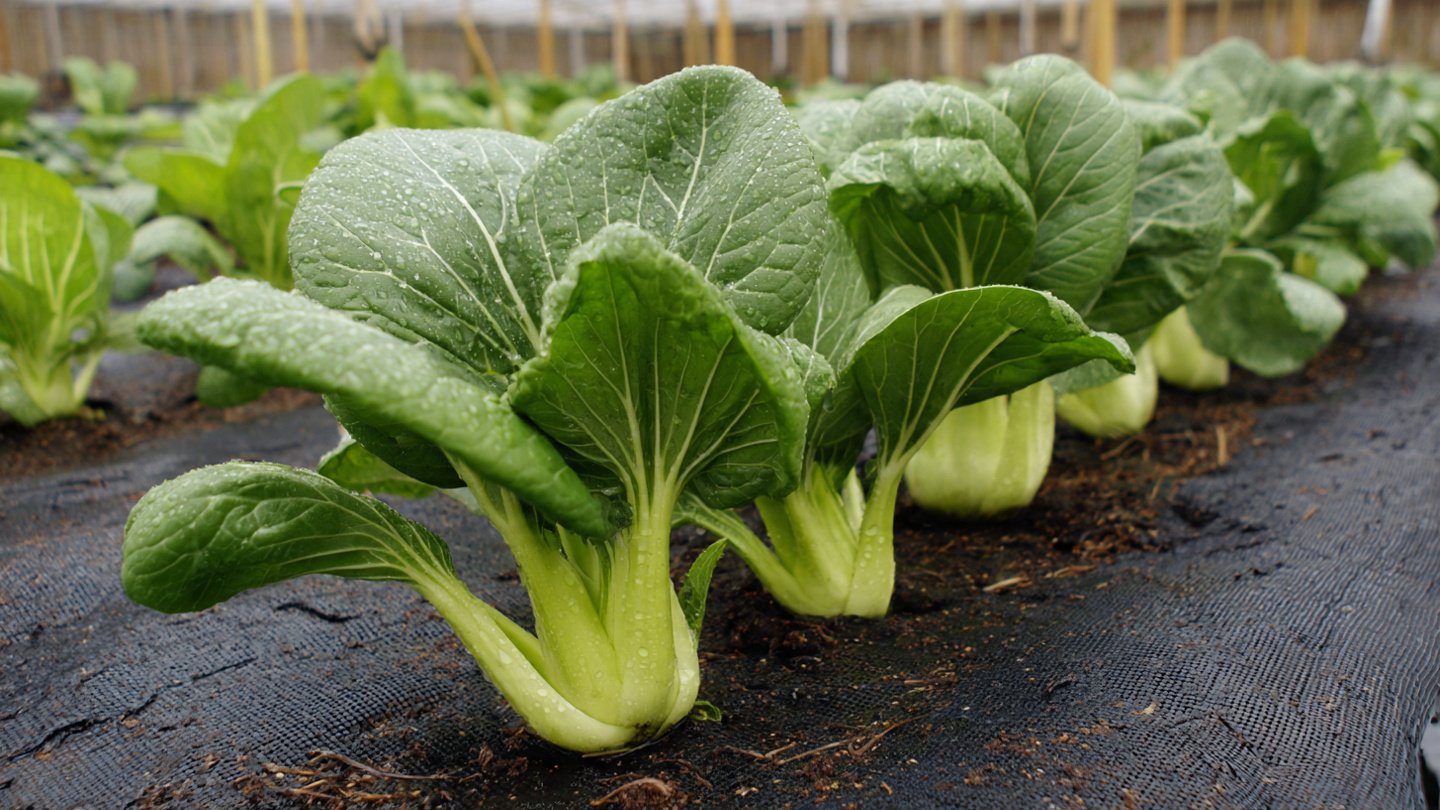
Pak Choi, also known as Bok Choy, is a leafy Asian green prized for its crisp texture, mild flavor, and nutritional value. Packed with vitamins A, C, and K, calcium, and antioxidants, it’s a staple in salads, stir-fries, and soups. While many gardeners enjoy Pak Choi for its fast growth, the real secret to maximizing its potential is learning how to achieve a continuous harvest, ensuring fresh leaves are always ready from early spring to late autumn—and even into mild winters.
This guide will take you through practical strategies, planting schedules, and care techniques to enjoy fresh Pak Choi year-round.
Understanding Pak Choi Growth
Pak Choi is a cool-season crop that grows best in mild temperatures ranging from 55°F to 75°F (13°C–24°C). It thrives in fertile, well-draining soil and requires consistent moisture. Under ideal conditions:
- Baby leaves are ready to harvest in 3–4 weeks.
- Full heads mature in 6–8 weeks.
- Pak Choi can bolt quickly in hot weather, which means flowering stalks develop and leaves become bitter.
To achieve continuous harvesting, it’s important to plan your sowing schedule and create conditions that minimize bolting and stress.
Step 1: Choose the Right Varieties
Selecting the right variety is key for a year-round harvest:
- ‘Shanghai Green’ – Fast-growing, mild flavor, ideal for cut-and-come-again harvests.
- ‘Joi Choi’ – Compact and heat-tolerant, suitable for succession planting.
- ‘Tatsoi’ – Smaller rosettes, slow-bolting, excellent for winter growth.
- ‘Pak Choi Summer and Winter Hybrids’ – Designed for consistent growth in varying temperatures.
Variety choice helps extend the harvest season and reduce bolting during hotter or colder months.
Step 2: Prepare Soil and Containers
Pak Choi prefers loamy, nutrient-rich soil with good drainage. For year-round production:
- Mix compost or well-rotted organic matter into the soil for fertility.
- Maintain soil pH around 6.0–7.5.
- For container gardening, use pots at least 8–10 inches deep to allow full root growth.
- Ensure proper drainage to avoid waterlogged roots, which can cause rot.
Containers and raised beds are ideal for winter crops because soil warms more quickly and drains better than in-ground beds.
Step 3: Implement Succession Planting
The core strategy for continuous harvest is succession planting, which involves sowing small batches of seeds every 2–3 weeks.
- Start seeds indoors or in seed trays during colder months.
- Transplant seedlings when they have 3–4 true leaves.
- Maintain a rolling schedule: as one batch matures, another is ready to take its place.
Succession planting ensures you always have Pak Choi at different growth stages, allowing constant harvesting of tender leaves without waiting months for a single crop to mature.
Step 4: Optimize Spacing and Planting
Correct spacing prevents overcrowding and promotes healthy growth:
- Baby Pak Choi: Thin seedlings to 4–6 inches apart.
- Full heads: Space 6–12 inches apart, depending on the variety.
- Proper spacing improves airflow, reduces disease risk, and ensures even light exposure.
For containers or small spaces, stagger planting in multiple small pots or rows to maintain a rolling harvest.
Step 5: Control Temperature and Bolting
Pak Choi bolts when stressed by heat or drought. To extend the harvest season:
- Use shade cloth or netting during hot summer months.
- Water consistently to prevent stress; Pak Choi thrives with moist soil.
- Mulch around plants to regulate soil temperature and retain moisture.
- Select slow-bolting varieties for warmer months.
In cooler months, row covers or cold frames can protect plants from frost and allow harvesting into late winter.
Step 6: Fertilize Strategically
Pak Choi is a heavy feeder, especially for continuous harvesting. Use light, frequent feeding:
- Nitrogen-rich organic fertilizers (like compost tea or fish emulsion) support leafy growth.
- Avoid excessive fertilizer at once; gradual feeding encourages continuous leaf production.
- Side-dress older plants with compost to rejuvenate them and extend harvest.
Healthy plants are less likely to bolt prematurely and will produce tender, flavorful leaves.
Step 7: Harvest Techniques for Continuous Production
To maintain a constant supply, harvest strategically:
- Cut-and-come-again method: Pick outer leaves from mature plants, leaving the inner leaves to continue growing. This allows repeated harvesting from the same plant.
- Full-head harvest: Remove the entire plant when fully mature and replace it with a new seedling.
- Baby leaf harvest: For salads or stir-fries, harvest small leaves early, which encourages new growth.
Rotate harvesting from different planting batches to always have fresh Pak Choi available.
Step 8: Companion Planting and Pest Control
Pak Choi is susceptible to pests like aphids, flea beetles, and cabbage worms. Protect your crops naturally:
- Companion plants like nasturtiums, mint, and chives repel pests.
- Row covers prevent insect damage while allowing light and water.
- Hand-picking or organic sprays like neem oil control infestations.
Maintaining healthy plants with proper spacing and soil nutrition reduces pest problems, ensuring uninterrupted growth.
Step 9: Indoor or Container Options
For year-round harvest in colder climates, consider container planting indoors or in greenhouses:
- Use deep pots or troughs for root development.
- Place near windows with 6–8 hours of light or supplement with grow lights.
- Indoor plants benefit from consistent watering and warmth, avoiding bolting caused by stress.
Container gardening is particularly effective for winter succession planting when outdoor soil may be too cold.
Step 10: Planning Your Year-Round Calendar
To achieve a continuous harvest, create a planting calendar:
- Early Spring – Start seedlings indoors for transplanting.
- Spring – Sow outdoors in succession every 2–3 weeks.
- Summer – Use shade cloth and heat-tolerant varieties to avoid bolting.
- Fall – Continue succession planting; transplant new seedlings before frost.
- Winter – Protect with row covers or grow in containers indoors.
By staggering sowings and monitoring growth, you can enjoy fresh Pak Choi all year, with minimal gaps between harvests.
Final Tips for Success
- Keep seedlings healthy: thin crowded sprouts early.
- Maintain consistent moisture: Pak Choi dislikes drought.
- Rotate crops annually to reduce disease buildup in soil.
- Use fertilizer and compost wisely for lush, tender leaves.
- Monitor plants regularly for pests and signs of bolting.
With patience and planning, a small garden or a few containers can provide constant, fresh greens, enhancing your meals and making homegrown vegetables a year-round reality.
Conclusion
Continuous harvesting of Pak Choi is achievable with proper planning, succession planting, temperature management, and attentive care. By sowing small batches regularly, controlling stress factors, and using techniques like the cut-and-come-again method, gardeners can enjoy fresh, tender leaves from early spring through late winter.
Growing Pak Choi year-round is not just about consistent food supply—it’s about cultivating healthy, vibrant plants while making the most of limited space and time. With these strategies, you can transform your garden into a reliable source of nutrition, flavor, and freshness, ensuring that crisp, green Pak Choi is always at your fingertips.