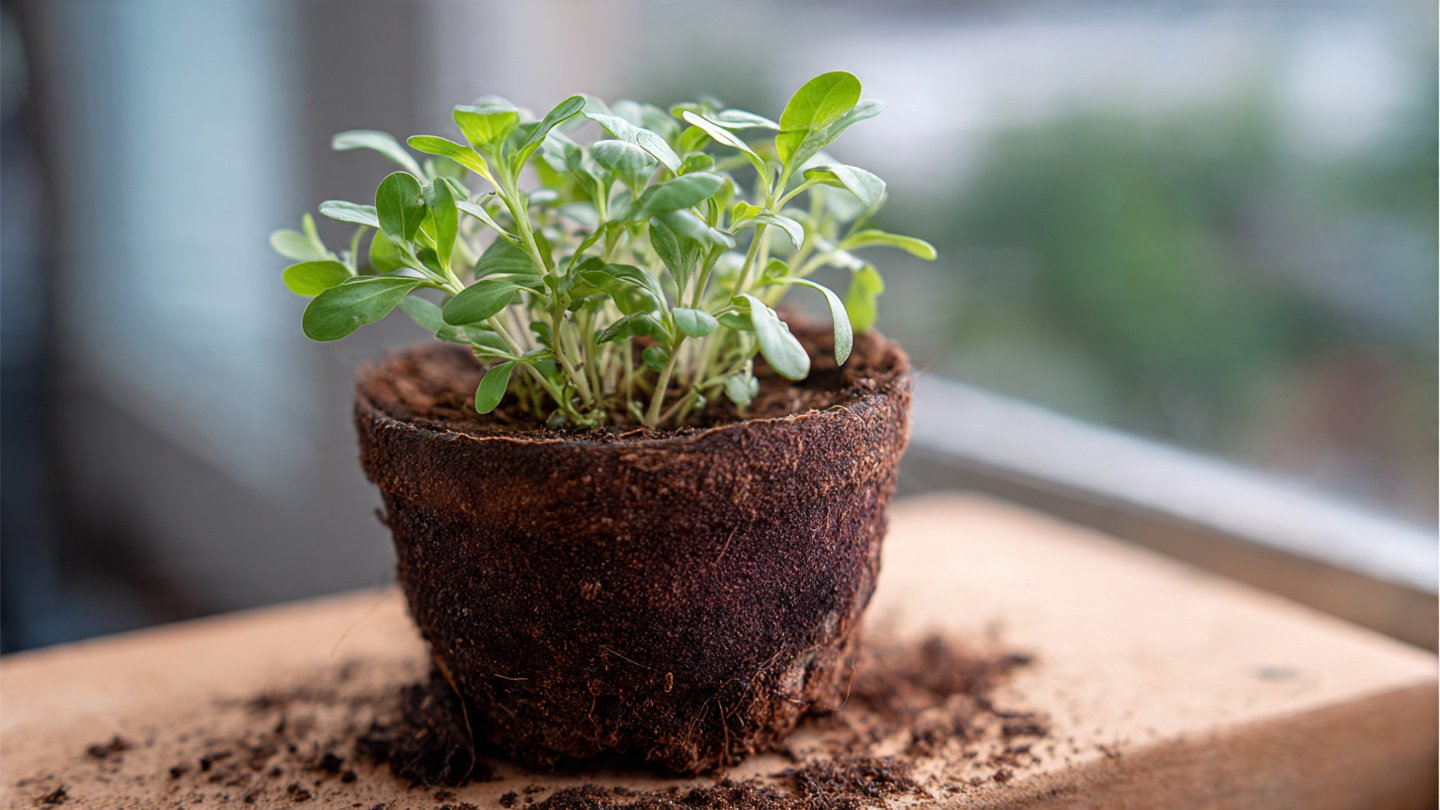
Basella, commonly known as Malabar spinach, is a versatile, fast-growing leafy vine prized for its lush green leaves, nutritional benefits, and culinary versatility. Unlike traditional spinach, Basella thrives in warm climates and grows vigorously as a climbing vine, making it a perfect choice for home gardeners. But can you successfully grow Basella in a pot? The answer is a resounding yes! With the right approach, you can cultivate this tropical plant even in limited spaces, like balconies, patios, or small backyards. Let’s explore the best methods to grow Basella in a pot and enjoy a fresh, continuous harvest.
Why Grow Basella in a Pot?
Growing Basella in a pot offers several advantages:
- Space Efficiency: For those with limited garden space or living in apartments, potted Basella allows you to enjoy homegrown greens without a full backyard.
- Mobility: Containers make it easy to move plants to catch the best sunlight or protect them from heavy rains, strong winds, or pests.
- Soil Control: Using a pot allows you to control soil quality and drainage, which is crucial for healthy Basella growth.
- Aesthetic Appeal: With its climbing vines and vibrant green leaves, Basella can enhance the visual appeal of your balcony, terrace, or garden corner.
Choosing the Right Pot
The first step to successfully growing Basella in a pot is selecting an appropriate container. Here’s what to consider:
- Size Matters: Basella is a fast-growing vine, so choose a pot at least 12–16 inches in diameter and 12 inches deep to allow proper root development.
- Drainage: Ensure the pot has multiple drainage holes. Basella roots dislike waterlogged soil, which can lead to rot and fungal issues.
- Material: Terracotta pots are ideal because they are porous and provide better aeration for roots, but plastic or ceramic pots also work well if they have good drainage.
Selecting the Soil
Basella thrives in nutrient-rich, well-draining soil. A good potting mix ensures strong growth and healthy leaves. Consider the following:
- Potting Mix: Use a loamy potting mix enriched with compost. You can also mix garden soil, sand, and organic compost in a 2:1:1 ratio.
- pH Level: Basella prefers slightly acidic to neutral soil with a pH of 6.0–7.0.
- Soil Fertility: Basella is a heavy feeder, so adding organic matter like compost or vermicompost helps maintain nutrient levels. Avoid chemical-heavy soil as it may affect leaf quality and taste.
Choosing Basella Varieties
There are two main varieties of Basella:
- Basella alba (green-stemmed): Has tender green stems and is slightly milder in flavor. It is faster-growing and more suited to container gardening.
- Basella rubra (red-stemmed): Known for its striking red stems and slightly thicker leaves. It is ideal if you want a visually striking plant for decorative purposes alongside culinary use.
For pot cultivation, Basella alba is often recommended due to its faster growth and adaptability.
Planting Basella in a Pot
1. Starting from Seeds
- Seed Selection: Choose fresh, high-quality seeds. Soak them overnight in warm water to enhance germination.
- Sowing: Fill the pot with the prepared soil, sprinkle 3–4 seeds evenly, and cover lightly with 0.5–1 inch of soil.
- Watering: Keep the soil consistently moist but not waterlogged. Use a spray bottle for gentle watering during germination.
- Germination Time: Seeds typically germinate in 7–14 days, depending on temperature and soil quality.
2. Transplanting Seedlings
If you start seeds in a nursery tray or seedling pot, transplant them once they have 3–4 true leaves. Handle seedlings gently to avoid root damage. Space them adequately in the pot; usually, 2–3 plants per medium pot are ideal.
Providing Support
Basella is a climbing vine and requires support to grow efficiently in a pot. Without support, the plant may sprawl over the edges, making harvesting difficult. Consider these options:
- Trellis: Place a small wooden or metal trellis in the pot. The vines will climb vertically, saving space and improving air circulation.
- Bamboo Stakes: For a simpler solution, insert 2–3 stakes in the pot and tie the vines loosely with soft twine.
- Hanging Baskets: For a cascading effect, Basella can also grow in hanging baskets with support wires.
Sunlight and Temperature
Basella is a tropical plant and thrives in warm, sunny conditions:
- Sunlight: It requires at least 6–8 hours of direct sunlight daily. In regions with extremely hot afternoons, provide partial shade during peak heat to prevent leaf scorching.
- Temperature: Optimal growth occurs in 25–35°C (77–95°F). Basella is frost-sensitive, so if you live in colder areas, consider indoor pot cultivation near sunny windows during winter.
Watering and Humidity
Basella prefers consistently moist soil but does not tolerate waterlogging.
- Watering Frequency: Water the plant when the top inch of soil feels dry. During hot summer months, you may need to water daily, while in cooler months, watering 2–3 times per week may suffice.
- Humidity: Being a tropical plant, Basella enjoys humidity. If grown indoors, mist the leaves occasionally or place a humidity tray nearby.
Fertilization
To ensure a continuous harvest of tender leaves, regular fertilization is important:
- Organic Fertilizers: Use compost, vermicompost, or well-rotted manure every 3–4 weeks.
- Liquid Fertilizers: Diluted liquid fertilizers like fish emulsion or seaweed extract can be applied every 2 weeks for a nutrient boost.
- Nitrogen Focus: Basella requires nitrogen-rich soil for lush green foliage, but avoid overfertilization to prevent excessive leaf growth with weaker stems.
Pruning and Harvesting
Proper pruning promotes vigorous growth and a healthy plant:
- Pruning: Regularly pinch off the growing tips to encourage bushier growth and more lateral shoots. Remove yellowing or damaged leaves.
- Harvesting: Leaves can be harvested 3–4 weeks after sowing, once the plant has grown enough. Pick young, tender leaves for the best flavor. Regular harvesting encourages new growth and extends the production period.
Common Pests and Diseases
While Basella is relatively hardy, container-grown plants may face certain challenges:
- Aphids: Small green or black insects that suck sap. Spray neem oil or insecticidal soap to manage infestations.
- Powdery Mildew: White powdery spots on leaves. Improve air circulation and avoid overhead watering to prevent this fungal disease.
- Slugs and Snails: Keep the area around pots clean and use barriers if necessary.
Tips for Success
- Rotate Pots: Turn pots occasionally to ensure all sides of the plant get sunlight.
- Mulch: Apply a thin layer of mulch to retain soil moisture and regulate temperature.
- Companion Planting: Basella grows well alongside beans, tomatoes, and peppers in pots. Avoid planting near heavy feeders that may compete for nutrients.
- Continuous Harvest: Regularly harvesting leaves prevents the plant from flowering too early, ensuring prolonged leaf production.
Culinary and Nutritional Benefits
Basella is more than just a beautiful plant; it is a nutritional powerhouse:
- Rich in Vitamins: High in vitamins A, C, and iron.
- Antioxidant Properties: Helps reduce oxidative stress in the body.
- Culinary Uses: The tender leaves and stems can be used in soups, stir-fries, curries, and salads. Its slightly mucilaginous texture is perfect for thickening stews.
Having Basella in a pot ensures fresh, chemical-free greens at your fingertips, ideal for a healthy diet.
Conclusion
Yes, you can absolutely grow Basella successfully in a pot! With the right combination of a spacious container, nutrient-rich soil, proper sunlight, regular watering, and support for climbing, this tropical vine can flourish even in limited spaces. From seed to harvest, container cultivation allows you to enjoy lush green leaves all year round while enhancing the aesthetic appeal of your garden or balcony.
By following these steps—choosing the right pot, using quality soil, providing support, maintaining ideal sunlight and moisture, fertilizing appropriately, and practicing regular pruning—you can cultivate a thriving Basella plant that rewards you with continuous fresh greens. Whether you’re a seasoned gardener or a beginner, growing Basella in a pot is an achievable and rewarding project that combines practicality with the joy of home gardening.
So, grab a pot, sow those seeds, and watch your Basella vine climb and flourish, bringing fresh, nutritious leaves to your kitchen and vibrant greenery to your space.