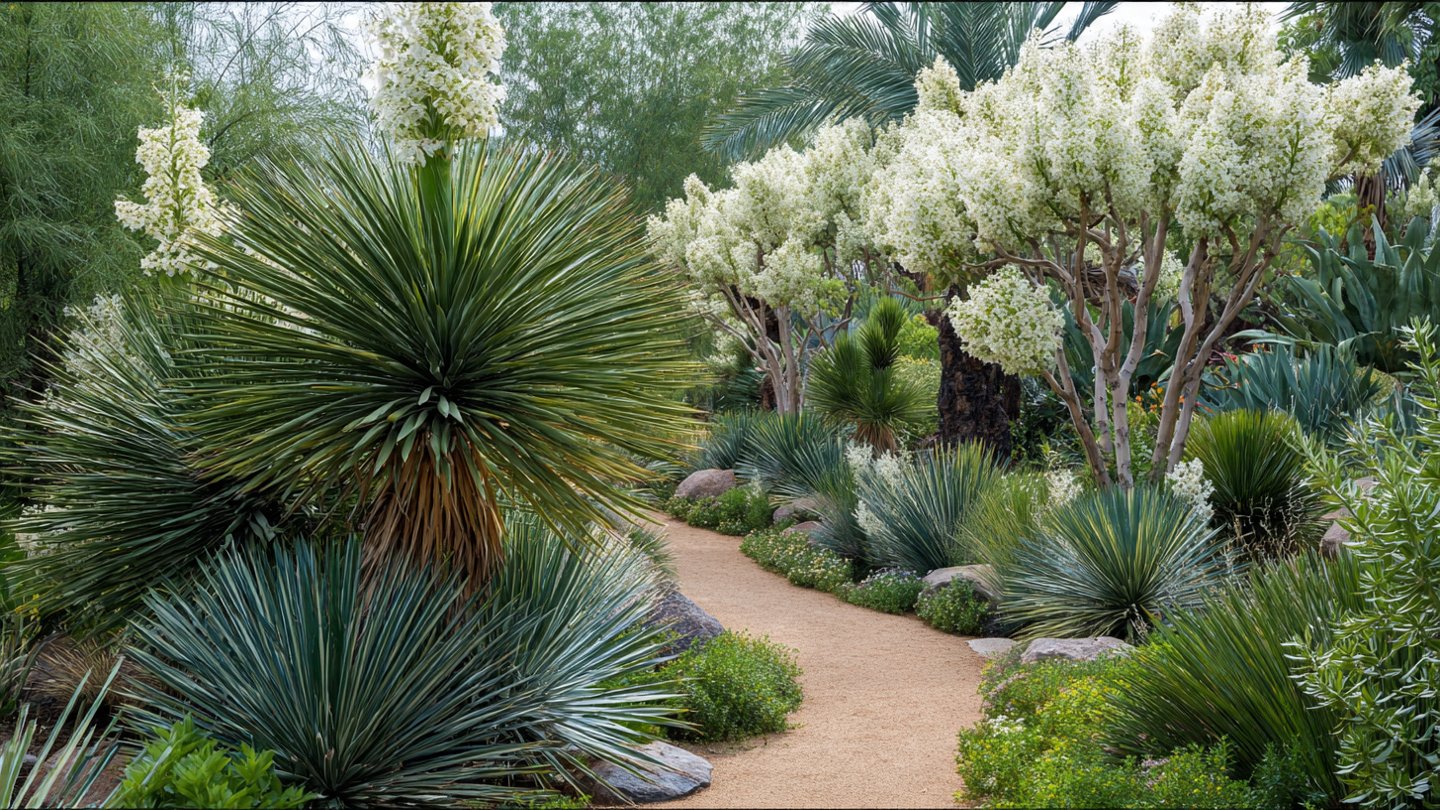
Yucca is a striking, low-maintenance plant that adds architectural beauty to any garden. With its sword-shaped leaves, towering flower spikes, and sculptural form, yucca is perfect for modern, minimalist, and desert-inspired landscapes. Beyond its visual appeal, yucca is incredibly hardy, drought-tolerant, and versatile, making it an excellent choice for gardeners seeking style without the fuss.
Whether you are a seasoned landscaper or a home gardener looking to elevate your outdoor space, this guide will teach you how to grow yucca in the best possible way, ensuring robust growth, dramatic foliage, and long-lasting beauty.
Why Yucca is Ideal for Modern Gardens
Yucca plants are often the centerpiece in modern landscaping due to several key characteristics:
- Architectural form: The bold rosettes and tall flower spikes create a sculptural statement.
- Low-maintenance: Yucca requires minimal care once established.
- Drought-tolerant: Perfect for xeriscaping and water-wise gardens.
- Versatile: Grows in pots, garden beds, or rock gardens.
- Longevity: Yuccas are long-lived, providing years of beauty.
Because of these traits, yucca fits seamlessly into contemporary garden designs, complementing clean lines, stone pathways, and minimalist aesthetics.
Step 1: Choosing the Right Yucca Variety
Not all yuccas are the same. Selecting the right species is crucial for achieving your desired garden effect.
Popular Yucca Varieties for Modern Gardens
- Yucca filamentosa: Known as Adam’s needle; hardy and ideal for garden beds.
- Yucca gloriosa: Smooth, sword-like leaves and striking flower spikes.
- Yucca rostrata: Small, compact form; perfect for pots or rock gardens.
- Yucca elephantipes: Larger, tree-like yucca suited for statement pieces in outdoor spaces.
- Yucca aloifolia: Sharp leaves and vibrant flowers; excellent for coastal gardens.
Tip: For small urban gardens or patios, choose compact or container-friendly varieties. For large outdoor landscapes, tall or spreading yuccas provide dramatic impact.
Step 2: Select the Perfect Location
Yucca thrives in sunny, open spaces with well-draining soil. Choosing the right spot ensures strong growth and reduces the risk of rot or disease.
Key Requirements:
- Sunlight: Full sun is ideal, at least 6 hours of direct light daily.
- Space: Leave enough room for leaf spread; some yuccas can grow 6–10 feet wide.
- Drainage: Avoid low-lying areas prone to waterlogging. Yuccas dislike wet roots.
Pro tip: Yucca’s bold foliage can be used as a focal point or to add vertical interest near modern pathways, walls, or fences.
Step 3: Soil Preparation
Yucca prefers sandy, well-draining soil. Proper soil preparation is vital for healthy roots.
Ideal Soil Mix:
- 50% garden soil
- 30% coarse sand
- 20% compost or coco coir
Optional: Add small gravel or perlite to improve drainage in heavier clay soils.
Tip: Yucca thrives in slightly acidic to neutral soil (pH 6–7). Avoid overly rich soil as it encourages leaf rot.
Step 4: Planting Yucca Correctly
Planting yucca properly sets the stage for long-term growth.
Planting in the Garden:
- Dig a hole slightly wider and as deep as the root ball.
- Place the yucca at the same depth it was growing in its nursery container.
- Backfill with prepared soil and gently firm it around the base.
- Water lightly to settle the soil.
Planting in Containers:
- Choose a pot with drainage holes; large enough to accommodate growth.
- Fill with sandy, well-draining soil mix.
- Plant the yucca and leave some space around the base.
- Water sparingly until roots establish.
Container tip: Terracotta pots work well for yucca because they allow soil to dry out faster, preventing rot.
Step 5: Watering Yucca
Yucca is drought-tolerant, but young plants need careful watering to establish roots.
Watering Guidelines:
- Newly planted yucca: Water once a week for the first month.
- Established yucca: Water every 2–4 weeks during dry periods.
- Winter: Reduce watering; yucca enters a semi-dormant state.
Important: Always allow the soil to dry out completely between watering. Overwatering is the most common cause of yucca failure.
Step 6: Fertilization for Robust Growth
Yucca grows well with minimal feeding, but occasional fertilizer enhances vigor and flowering.
Fertilizing Tips:
- Use a balanced slow-release fertilizer in spring.
- For flowering yuccas, a fertilizer higher in phosphorus encourages blooms.
- Avoid excessive nitrogen, which can cause weak, floppy leaves.
Tip: Organic compost around the base helps retain moisture and adds nutrients without overfeeding.
Step 7: Pruning and Maintenance
Yuccas require minimal pruning, but occasional maintenance keeps the plant tidy and healthy.
- Remove dead or yellowing leaves at the base.
- Cut flower stalks after blooming to encourage energy toward foliage growth.
- Wear gloves when handling yucca, as leaves are sharp and can cause cuts.
Pro tip: Use clean, sharp pruning shears to prevent damage and disease.
Step 8: Propagation Techniques
Growing new yucca plants is simple and rewarding.
Propagation Methods:
- Offsets (pups): Many yuccas produce small offshoots at the base. Separate and replant them.
- Stem cuttings: Take a healthy stem, allow it to dry for a few days, and plant in well-draining soil.
- Seeds: While slower, yucca seeds can be sown in sandy soil and kept warm and moist.
Tip: Propagation via offsets is the fastest and most reliable method for maintaining the parent plant’s characteristics.
Step 9: Pests and Problems
Yuccas are hardy, but occasional issues can arise:
Common Issues:
- Scale insects: Small, round pests that attach to leaves.
- Mealybugs: White, cottony pests on leaves or stems.
- Leaf burn: Caused by excess fertilizer or harsh sun.
- Root rot: Results from waterlogged soil.
Solutions:
- Remove pests manually or apply neem oil.
- Ensure proper drainage to prevent root rot.
- Adjust sunlight exposure if leaf burn occurs.
Healthy yucca in the right conditions rarely suffers severe problems.
Step 10: Styling Yucca in Modern Gardens
Yucca’s sculptural form makes it a versatile design element.
Ideas:
- Focal points: Plant a single yucca in a gravel bed or raised planter.
- Groupings: Combine several yuccas of different heights for visual impact.
- Container displays: Use tall pots for patios, terraces, or balconies.
- Rock garden: Pair with stones, succulents, and cacti for a desert-inspired theme.
Yucca’s strong lines contrast beautifully with soft groundcovers or flowering perennials, enhancing a minimalist or contemporary garden style.
Step 11: Encouraging Stunning Flowering
Yucca flowers are spectacular spikes of white or cream blooms. To promote flowering:
- Ensure full sun exposure.
- Avoid overwatering and over-fertilizing, which can delay blooms.
- Mature plants are more likely to flower; patience is key.
Flowering usually occurs in late spring or summer, adding height and drama to your modern garden.
Step 12: Seasonal Care
Yuccas are low-maintenance but seasonal attention ensures longevity:
- Spring: Fertilize and check for new growth.
- Summer: Water during dry spells and enjoy blooms.
- Autumn: Remove dead leaves and inspect for pests.
- Winter: Protect container yuccas from frost; reduce watering for garden-planted yuccas in colder regions.
Final Thoughts
Growing yucca for modern gardens is both rewarding and straightforward. By choosing the right variety, providing full sun, ensuring well-draining soil, and following proper planting and care techniques, you can create a garden that is low-maintenance yet visually stunning.
Yucca thrives in a variety of spaces—garden beds, patios, rock gardens, and containers—making it an ideal plant for modern, minimalist, and contemporary landscapes. Its bold form, dramatic foliage, and striking flowers not only elevate the aesthetic appeal but also require minimal care, making it perfect for gardeners seeking both beauty and simplicity.
Whether you aim to create a focal point, a sculptural statement, or a desert-inspired garden, yucca is a versatile and resilient choice that will enhance your modern outdoor space for years to come. Embrace its architectural beauty and follow these steps to grow yucca the best way possible.