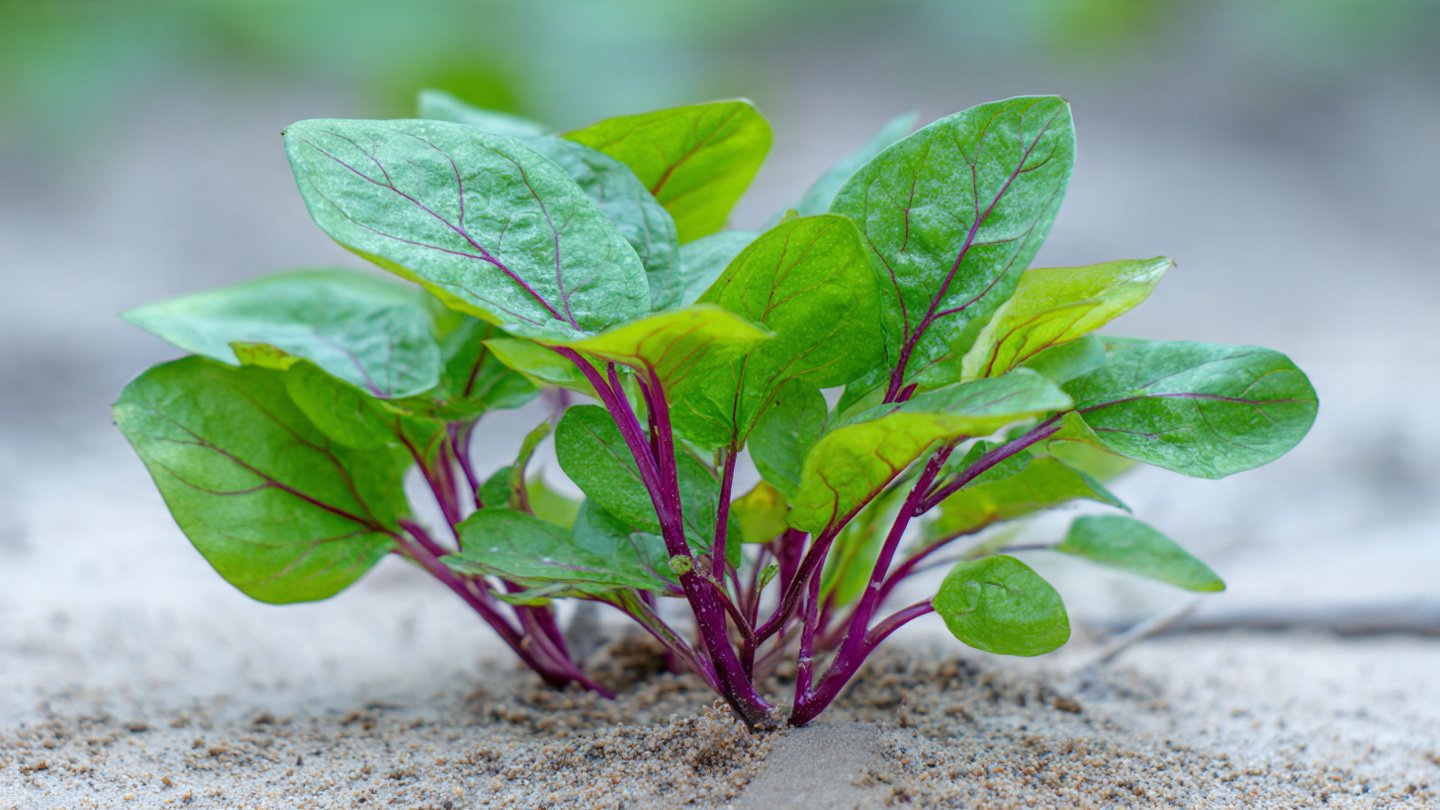
Malabar spinach, also known as Basella alba or Ceylon spinach, is a tropical climbing plant prized for its lush green leaves, succulent stems, and nutritious value. Unlike common spinach, it thrives in warm climates, grows vigorously, and is surprisingly easy to cultivate. While it is often seen as a climbing vine, there are also bush-type varieties that provide a more compact, upright growth habit—perfect for gardeners who want a low-maintenance, space-friendly edible plant.
If you’ve been curious about growing Malabar spinach in your garden, this guide will show you how to cultivate the bush type successfully, from planting to harvesting, ensuring a thriving, vibrant crop.
Understanding Malabar Spinach Bush Type
Malabar spinach belongs to the Basellaceae family. The bush type differs from the climbing vine variety in several key ways:
- Compact Growth: Instead of sprawling or needing trellises, bush-type Malabar spinach grows upright and dense, making it suitable for small gardens or containers.
- Faster Harvesting: Leaves are more accessible without bending or managing climbing stems.
- Ornamental Appeal: Its thick, glossy leaves add greenery and texture to any garden space.
Common bush-type cultivars include ‘Rubra Bush’ (with reddish stems) and ‘Green Bush’, both of which offer excellent edible leaves and decorative appeal.
Why Grow Malabar Spinach Bush Type?
Malabar spinach isn’t just visually attractive—it’s also highly beneficial:
- Nutrient-Rich: High in vitamins A, C, and iron, making it a nutritious addition to your diet.
- Heat-Tolerant: Unlike common spinach, it thrives in warm, humid climates and continues producing leaves during summer.
- Low Maintenance: Resistant to most pests and diseases when grown under proper conditions.
- Continuous Harvest: You can pick leaves regularly, which encourages new growth.
With these advantages, it’s no wonder gardeners are turning to bush-type Malabar spinach as both a food crop and an ornamental plant.
Choosing the Right Location
Successful cultivation begins with selecting the ideal planting site.
Sunlight Requirements
- Malabar spinach prefers full sun to partial shade.
- In very hot climates, providing light afternoon shade can prevent leaf scorching.
Soil Requirements
- Well-draining, loamy soil with moderate fertility works best.
- The plant tolerates slightly acidic to neutral soil (pH 6.0–7.0).
- Avoid overly rich soil, which can lead to excessive leaf growth but weak stems.
Space Considerations
- Bush types can grow 2–3 feet wide, so leave 18–24 inches between plants.
- Adequate spacing promotes air circulation, reducing the risk of fungal infections.
Planting Malabar Spinach Bush Type
Malabar spinach can be grown from seeds or cuttings, each with its advantages.
Growing from Seeds
- Seed Preparation: Soak seeds in water for 24 hours to soften the hard outer shell.
- Sowing: Plant seeds ¼–½ inch deep in seed trays or directly in soil.
- Germination: Seeds typically sprout in 7–14 days under warm conditions (25–30°C / 77–86°F).
- Transplanting: When seedlings reach 4–6 inches, transplant to the garden, keeping proper spacing.
Growing from Cuttings
- Select a healthy, semi-mature stem 6–8 inches long.
- Remove lower leaves and plant directly into moist soil.
- Roots form quickly, making this method faster than seeds for establishing a bush.
Watering and Care
Malabar spinach requires consistent moisture for lush growth.
Watering Tips
- Water plants regularly, keeping the soil evenly moist.
- Avoid waterlogging, which can cause root rot.
- Mulching around the base helps retain moisture and control weeds.
Fertilizing
- Apply balanced organic fertilizer or compost every 4–6 weeks.
- Avoid excessive nitrogen, as it encourages leafy growth but weakens stems.
- A pinch of bone meal or seaweed extract can boost growth and nutrient content.
Encouraging Bushy Growth
Bush-type Malabar spinach benefits from care techniques that promote compact, productive growth.
Pinching
- Pinch the growing tips when plants are 6–8 inches tall.
- This encourages lateral branching and a fuller bush.
Regular Harvesting
- Pick mature leaves from the outer stems.
- Harvesting encourages new shoots and prevents the plant from becoming leggy.
- Avoid removing more than one-third of the plant at a time to ensure continuous growth.
Pest and Disease Management
While hardy, Malabar spinach can face minor issues.
Common Pests
- Aphids: Small insects that cluster on new growth. Spray with water or neem oil.
- Leaf Miners: Create trails in leaves; remove affected leaves promptly.
- Snails and Slugs: Particularly in damp conditions; handpick or use organic deterrents.
Disease Prevention
- Ensure good air circulation between plants.
- Water at the base rather than overhead to prevent fungal infections.
- Rotate crops to prevent soil-borne diseases.
Companion Planting
Bush-type Malabar spinach pairs well with a variety of garden crops.
- Tomatoes and peppers: Both benefit from the shade and moisture retention provided by spinach leaves.
- Basil and herbs: Help repel pests naturally.
- Marigolds: Attract pollinators and deter harmful insects.
Harvesting for Maximum Yield
Proper harvesting techniques ensure a thriving bush-type Malabar spinach crop.
Harvesting Guidelines
- Leaves can be picked as early as 6–8 weeks after planting.
- Select mature leaves from the top and sides.
- Continuous harvesting encourages new leaf growth, keeping the bush dense.
Storing Fresh Leaves
- Rinse leaves gently and dry with a cloth.
- Store in a sealed container in the refrigerator for 3–5 days.
- Leaves can also be blanched and frozen for long-term use.
Advantages of Bush Type Over Climbing Varieties
- Space Efficiency: Ideal for small gardens or container planting.
- Ease of Maintenance: No trellises or supports required.
- Accessibility: Leaves are easy to harvest without bending or climbing.
- Aesthetics: Dense, bushy growth creates a lush green focal point in your garden.
Bush-type Malabar spinach offers the same nutrition and flavor as climbing varieties but in a more compact, manageable form.
Common Challenges and How to Overcome Them
| Challenge | Solution |
|---|---|
| Leggy Growth | Pinch tips regularly to encourage branching |
| Slow Leaf Production | Ensure adequate sunlight and consistent watering |
| Pest Infestation | Use organic sprays like neem oil and remove affected leaves |
| Soil Nutrient Deficiency | Apply compost or balanced organic fertilizer |
With attention to these factors, even beginner gardeners can enjoy a thriving Malabar spinach bush.
Tips for Thriving Bush-Type Malabar Spinach
- Warm Temperatures: Ideal growth occurs in 25–35°C (77–95°F).
- Consistent Watering: Moist soil is crucial, especially in hot climates.
- Regular Pruning and Pinching: Keeps the bush dense and productive.
- Mulching: Helps retain moisture and suppress weeds.
- Frequent Harvesting: Encourages continuous leaf production and prevents flowering.
Final Thoughts
Cultivating bush-type Malabar spinach is an easy, rewarding way to grow a nutritious, heat-tolerant leafy vegetable at home. Its compact growth, minimal maintenance requirements, and continuous leaf production make it an excellent choice for beginner and experienced gardeners alike. By selecting a sunny location, providing regular water and nutrient care, and practicing pinching and harvesting, you can ensure your bush thrives all season long.
Whether you grow it in garden beds, containers, or raised beds, bush-type Malabar spinach will provide lush greenery, fresh, tender leaves for cooking, and a satisfying addition to any thriving garden. With these tips, you can enjoy a productive, low-maintenance, and visually appealing leafy vegetable that stands out in your garden year after year.