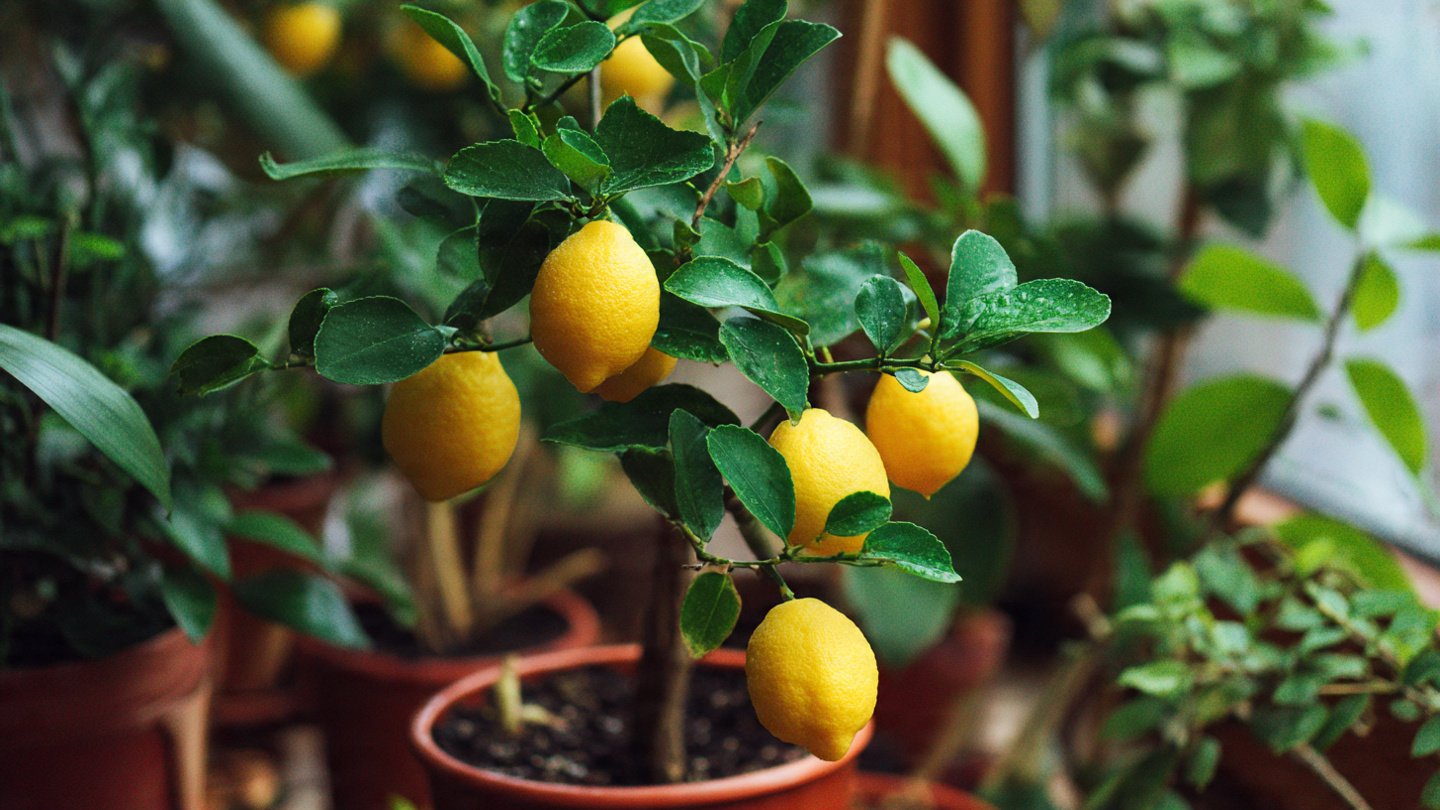
Bringing a lemon tree indoors is a delightful way to brighten your home with greenery, fragrance, and even homegrown fruit. But indoor lemon trees require more than sunlight and water to thrive—they need careful attention to light, soil, watering, feeding, and pruning. When properly nurtured, an indoor lemon tree can produce healthy leaves, fragrant blossoms, and even tangy, juicy lemons right in your living space.
This guide will walk you through essential care tips for indoor lemon trees, from selecting the right variety to troubleshooting common problems, ensuring your citrus thrives year-round.
Choosing the Right Indoor Lemon Tree Variety
Not all lemon trees are suitable for indoor growth. Choosing a dwarf or semi-dwarf variety is key for thriving in pots.
Popular Indoor Lemon Tree Varieties
- Meyer Lemon: Compact, sweet, and fragrant, perfect for indoors.
- Ponderosa Lemon: Produces large fruits but grows bigger, suitable for spacious indoor areas.
- Eureka Lemon: Common and productive, but may need careful pruning to stay small indoors.
For beginners, the Meyer lemon is often the easiest and most rewarding choice because it adapts well to container growth and produces fruit reliably.
Selecting the Right Pot and Soil
Indoor lemon trees grow best in well-draining containers with quality soil.
Pot Selection
- Use a pot with drainage holes to prevent waterlogging.
- Choose 6–12 inches larger than the root ball to allow growth.
- Terracotta pots are ideal as they allow airflow and reduce excess moisture.
Soil Mix
- Lemon trees need a light, well-draining soil mix.
- Use a mix of potting soil, perlite, and sand, or a commercial citrus potting mix.
- Avoid dense or heavy soils that can trap water and cause root rot.
Proper soil and potting prevent many common indoor lemon tree problems.
Light Requirements for Indoor Lemon Trees
Sunlight is critical. Lemon trees need bright, direct light to thrive indoors.
Tips for Providing Adequate Light
- Place your tree near a south-facing window where it can receive at least 8–12 hours of light per day.
- Rotate the tree every few weeks to ensure even growth.
- If natural light is insufficient, supplement with LED grow lights for 8–10 hours daily.
Without enough light, your tree may produce fewer flowers and weak, leggy branches.
Watering Your Indoor Lemon Tree
Watering is one of the most important aspects of indoor lemon tree care. Overwatering or underwatering can stress your tree and reduce fruit production.
Watering Guidelines
- Water deeply when the top 1–2 inches of soil feel dry.
- Ensure water drains freely from the pot.
- Reduce watering slightly during the winter dormant period, when growth slows.
Tip: Avoid letting the tree sit in water as it can cause root rot. Using a pot with drainage holes and a saucer helps prevent excess water buildup.
Humidity and Temperature Considerations
Indoor environments can be dry, especially in winter. Lemon trees prefer moderate humidity and stable temperatures.
Temperature
- Ideal indoor temperatures: 65–75°F (18–24°C) during the day, slightly cooler at night.
- Avoid placing near drafty windows or heating vents, which can stress the tree.
Humidity
- Lemon trees prefer humidity around 40–60%.
- Increase humidity with a pebble tray, regular misting, or a humidifier.
- Dry air may cause leaf drop or flower bud loss.
Feeding and Fertilizing Indoor Lemon Trees
Nutrients are crucial for lush growth and fruiting. Indoor trees rely entirely on you for their nutrition.
Fertilizer Tips
- Use a citrus-specific fertilizer high in nitrogen.
- Feed every 4–6 weeks during the growing season (spring and summer).
- Reduce or stop fertilizing in winter, when growth slows.
Additional Nutrients
- Trace elements like magnesium, iron, and zinc are important for healthy leaves.
- Use foliar sprays if leaves show yellowing or chlorosis.
Proper feeding ensures your tree produces vibrant leaves, fragrant blossoms, and plentiful fruit.
Pruning and Shaping Your Indoor Lemon Tree
Pruning helps maintain size, encourages branching, and improves airflow.
Pruning Tips
- Remove dead, damaged, or crossing branches.
- Cut back long, leggy shoots to encourage compact growth.
- Prune after harvest or in early spring before new growth.
Shaping your tree not only improves appearance but also increases fruit production by directing energy into strong branches.
Flowering and Fruiting Indoor Lemon Trees
Indoor lemon trees can flower and produce fruit if properly nurtured.
Encouraging Blossoms
- Ensure enough sunlight and consistent care.
- Maintain slightly cooler nights to trigger flowering.
- Avoid sudden temperature changes or overwatering, which can cause flowers to drop.
Pollination
- Indoor trees may need hand pollination for fruit.
- Use a small brush or cotton swab to transfer pollen between flowers.
- Gently shaking the branches can also help pollinate flowers naturally.
Common Indoor Lemon Tree Problems and Solutions
Even well-cared-for trees can face challenges.
Leaf Drop
- Causes: overwatering, low humidity, sudden temperature changes.
- Solution: Adjust watering, maintain stable temperatures, increase humidity.
Yellow Leaves
- Causes: nutrient deficiency, improper watering, poor drainage.
- Solution: Fertilize with citrus-specific nutrients, check soil drainage.
Pest Issues
- Common pests: spider mites, aphids, scale insects.
- Solution: Use insecticidal soap or neem oil, and regularly inspect leaves.
Flower or Fruit Drop
- Causes: stress from temperature changes, low light, or irregular watering.
- Solution: Maintain consistent care, hand-pollinate flowers if needed.
Repotting Your Indoor Lemon Tree
Repotting every 2–3 years ensures healthy root growth and prevents the tree from becoming root-bound.
Repotting Steps
- Choose a slightly larger pot with drainage holes.
- Gently remove the tree and prune any damaged roots.
- Add fresh, well-draining potting mix.
- Water thoroughly and place in bright, indirect light for recovery.
Repotting refreshes the soil and allows your lemon tree to continue producing healthy foliage and fruit.
Final Thoughts: Bringing Homegrown Citrus Indoors
Nurturing an indoor lemon tree can be a rewarding and aromatic experience. With the right variety, adequate light, proper watering, and consistent care, your tree can thrive, brighten your home, and even provide fresh, homegrown lemons.
Remember: indoor lemon trees need patience and attention, but the rewards—fragrant blossoms, lush green leaves, and tangy fruit—make every effort worthwhile. By following these essential care tips, your indoor citrus can flourish for years, turning your living space into a mini citrus oasis.