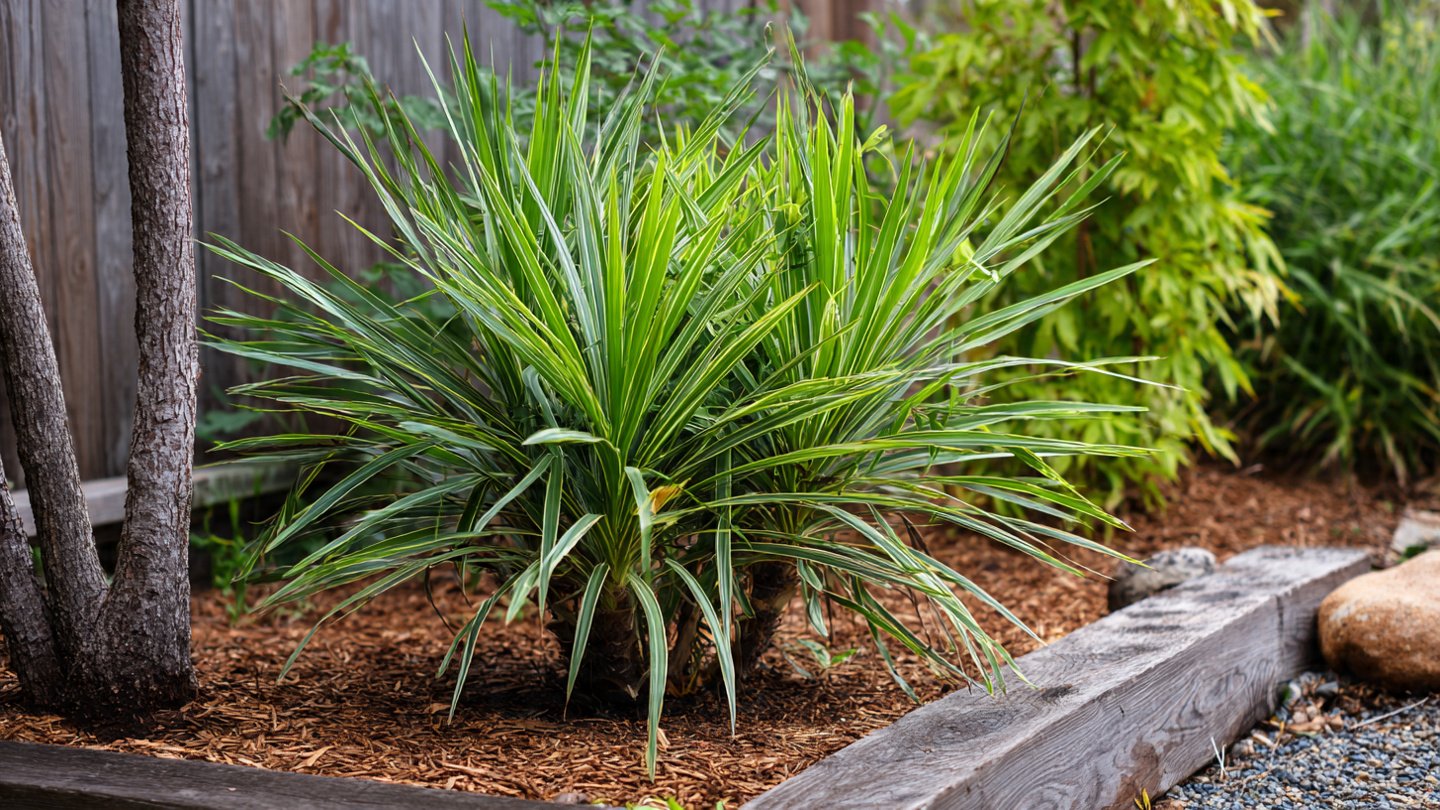
Dracaena marginata, commonly known as the Madagascar Dragon Tree, is one of the most versatile and elegant plants for both indoor and outdoor landscapes. Its slender, arching leaves, deep green color with red edges, and striking upright growth make it a favorite for creating lush greenery in landscape beds. While many people know it as a stylish indoor plant, Dracaena marginata can thrive outdoors in warm climates, transforming garden beds into tropical, textured, and visually dynamic spaces.
This complete guide covers everything you need to know about growing Dracaena marginata in landscape beds—from selecting the right location to planting, care, and design ideas—so you can enjoy lush greenery year-round.
Why Choose Dracaena Marginata for Landscape Beds?
Dracaena marginata is not only visually appealing but also low-maintenance and adaptable. Its characteristics make it ideal for garden landscaping:
- Tropical aesthetic: The arching leaves and tall, slender stems create vertical interest.
- Low water requirements: Once established, it tolerates periods of drought.
- Resilient foliage: Leaves remain attractive for long periods, even in partial shade.
- Easy propagation: It can be propagated via cuttings to expand your landscape bed.
- Low-maintenance beauty: Minimal pruning and care make it ideal for busy gardeners.
These traits make Dracaena marginata perfect for borders, foundation plantings, tropical-themed gardens, or accent beds.
Choosing the Right Location
The first step in growing Dracaena marginata successfully in landscape beds is selecting the right location.
Ideal conditions:
- Sunlight: Prefers bright, indirect light. In outdoor beds, partial shade to filtered sunlight works best. Avoid intense afternoon sun in hot regions, which can scorch the leaves.
- Space: Allow enough room for vertical growth. Plants can reach 6–12 feet in height in landscape settings, so space them 3–4 feet apart.
- Protection: Shelter from strong winds, which can tear the leaves or topple young plants.
Placing Dracaena marginata near garden walkways, patios, or water features enhances visual appeal while providing a natural focal point.
Soil Requirements
Dracaena marginata prefers well-draining soil that retains some moisture but doesn’t stay soggy. Poor drainage can lead to root rot.
Soil preparation:
- Mix garden soil with organic compost to enrich nutrients.
- Add coarse sand or perlite to improve drainage.
- Slightly acidic to neutral pH (6.0–7.0) works best.
Raised beds or gently mounded soil can further improve drainage, especially in heavy clay areas.
Planting Dracaena Marginata in Landscape Beds
Step-by-step planting guide:
- Dig a hole slightly wider and deeper than the plant’s root ball.
- Remove the plant from its nursery container and gently loosen the roots.
- Place the plant in the hole at the same depth it was growing in the pot.
- Backfill with a mix of soil and compost, pressing gently to eliminate air pockets.
- Water thoroughly to settle the soil.
- Apply mulch around the base to conserve moisture and prevent weeds.
Dracaena marginata can be planted in groups for a dense tropical bed or spaced out for a minimalist look with vertical accents.
Watering Requirements
While Dracaena marginata is drought-tolerant, consistent watering during establishment is key.
Watering tips:
- Water deeply once a week during dry periods.
- Reduce frequency in rainy seasons.
- Avoid waterlogging; ensure excess water drains freely.
Mulching helps retain moisture, moderates soil temperature, and enhances the lush look of your landscape bed.
Fertilizing for Lush Green Growth
Healthy, vibrant foliage requires proper nutrition.
Fertilizer recommendations:
- Apply a balanced, slow-release fertilizer (10-10-10) every 2–3 months during the growing season.
- Liquid fertilizers or compost tea can supplement nutrient needs.
- Avoid over-fertilizing, which can burn the foliage.
A well-fed Dracaena marginata bed will produce deep green leaves with vibrant red edges, adding visual contrast to your garden.
Pruning and Maintenance
Maintaining a tidy, lush appearance involves minimal but strategic pruning.
Pruning tips:
- Remove dead, yellow, or damaged leaves regularly.
- Trim stems to control height or encourage bushier growth.
- Cut back old growth to rejuvenate older plants.
Proper maintenance ensures your landscape bed looks full, healthy, and elegant throughout the year.
Pest and Disease Management
Dracaena marginata is generally resilient, but occasional pests or issues can arise.
Common pests:
- Spider mites
- Mealybugs
- Scale insects
Prevention and treatment:
- Spray with neem oil or insecticidal soap as needed.
- Keep the bed clean of fallen leaves and debris.
- Avoid overwatering, which can lead to root rot or fungal problems.
Healthy plants with proper spacing and sunlight typically resist major pest infestations.
Companion Plants and Design Ideas
Dracaena marginata pairs beautifully with other landscape plants to create textured and tropical-inspired beds.
Companion plant ideas:
- Ferns and caladiums for soft, lush foliage contrast
- Crotons or ti plants for colorful tropical accents
- Low-growing ground covers like mondo grass or creeping thyme
- Flowering plants like hibiscus or bromeliads for seasonal interest
Design layouts:
- Single Dracaena marginata as a focal point in a minimalist bed
- Grouped in clusters to mimic a tropical grove
- Lining walkways or patios for vertical accents
- Mixed beds with flowering and foliage plants for a layered tropical effect
Combining different heights, textures, and colors elevates the visual impact of your garden.
Winter Care and Protection
In regions with mild winters, Dracaena marginata thrives outdoors year-round.
Tips for cooler climates:
- Protect from frost using frost cloth or temporary covers.
- Move young or container-grown plants indoors during cold spells.
- Mulch heavily around the base to insulate roots.
Plants will tolerate brief cold periods, but prolonged frost can damage foliage or kill the plant.
Propagating Dracaena Marginata for Landscape Expansion
Propagation allows you to expand your garden bed or replace older plants.
Propagation methods:
- Stem cuttings: Cut a healthy stem, allow it to callous, then plant in moist soil.
- Air layering: Wrap a stem in moist moss until roots develop, then transplant.
Propagation is straightforward and ensures you can maintain a lush, consistent look across your landscape beds.
Long-Term Growth Expectations
Dracaena marginata grows slowly at first but eventually becomes a tall, elegant tropical plant.
Growth tips:
- Height: 6–12 feet outdoors with proper care
- Spread: 2–4 feet depending on spacing
- Leaf color: Rich green with red edges that intensify in sunlight
- Longevity: Can thrive for decades in landscape beds
Patience and consistent care will reward you with a lush, long-lasting tropical bed.
Final Thoughts
Growing Dracaena marginata in landscape beds is a smart, rewarding way to bring lush greenery and tropical elegance to your garden. Its vertical growth, colorful foliage, and resilience make it a standout choice for both small and large landscapes. By choosing the right location, preparing soil carefully, watering correctly, and maintaining proper care, you can create dramatic, vibrant beds that transform your outdoor space into a tropical paradise.
Whether planted as a focal point, in clusters, or as a border plant, Dracaena marginata adds sophistication, texture, and a sense of calm greenery to any garden. With patience and attention to detail, your landscape beds will flourish, offering lush, long-lasting beauty for years to come.