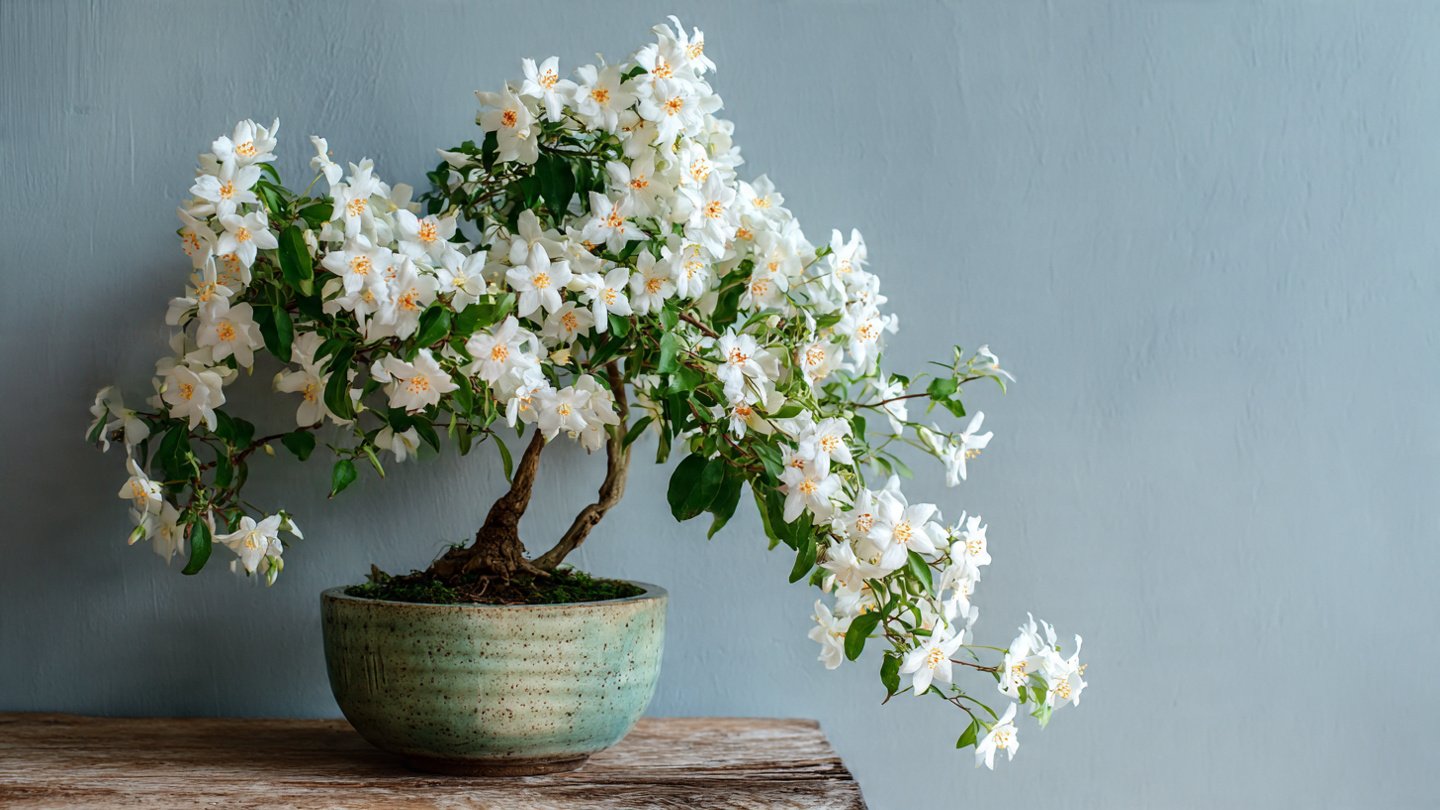
Jasmine is loved worldwide for its fragrant flowers, climbing vines, and elegant appearance. If you’ve ever wanted to propagate jasmine without buying new plants, air layering is one of the most reliable methods. This technique allows you to grow a new jasmine plant directly from an existing branch while it is still attached to the parent plant. With patience and the right steps, you can achieve high success rates and enjoy more jasmine in your garden or home.
In this guide, we’ll walk you through everything you need to know—from selecting the right branch to transplanting your new jasmine plant.
Understanding Jasmine Air Layering
Air layering is a propagation technique where a part of a plant develops roots while still attached to the parent. Once roots form, the new plant can be cut off and planted separately.
Why Air Layering Works Well for Jasmine
- Jasmine stems are soft-wooded, making them easier to root than many other plants.
- It reduces transplant shock since the new plant already has a developed root system.
- It allows propagation without relying on seeds, which can take much longer to flower.
This method is particularly effective for varieties like Jasminum sambac, Jasminum grandiflorum, and common garden jasmine.
Choosing the Right Branch
The success of air layering depends heavily on the branch you choose.
Branch Selection Criteria
- Healthy and Vigorous: Select a branch free of pests, diseases, or damage.
- Mature but Flexible: Semi-hardwood branches are ideal. Too young and they may not root; too old and they may be too woody.
- Position on Plant: Choose a branch that is at least 1 year old and about 0.5–1 inch thick.
- Length: Ideally, the branch should be long enough to bend slightly without breaking, around 12–18 inches.
Once you’ve identified a suitable branch, you’re ready to begin the air layering process.
Preparing for Air Layering
Before starting, gather the necessary materials:
- A sharp knife or pruning blade
- Sphagnum moss (moist but not soggy)
- Plastic wrap or polyethylene sheet
- Twine or plant tape
- Rooting hormone (optional, but boosts success)
Step 1: Clean and Sterilize Tools
Always sterilize your knife or blade with alcohol. This prevents infections that could harm the parent branch.
The Air Layering Process: Step by Step
Step 1: Wounding the Branch
- Identify the spot about 12–18 inches from the branch tip.
- Make a 1–2 inch upward cut on the stem, slicing one-third to half of the stem thickness.
- Alternatively, remove a ring of bark around the stem (girdling) to expose the inner cambium layer.
- If using rooting hormone, apply it to the wounded area to stimulate root growth.
Step 2: Adding Moist Sphagnum Moss
- Moisten sphagnum moss until damp but not dripping.
- Wrap the moss around the wounded section. The moss acts as a rooting medium and retains moisture.
- Make sure the moss completely surrounds the wound for even root development.
Step 3: Wrapping With Plastic
- Cover the moss with plastic wrap or a polyethylene sheet to hold moisture.
- Seal both ends with twine, tape, or twist ties, ensuring no air can escape.
- The plastic keeps the moss moist and creates a mini-greenhouse effect, encouraging roots to form.
Step 4: Caring for the Layer
- Check the moss every 1–2 weeks to ensure it remains moist.
- Mist lightly if it feels dry. Avoid overwatering, which can cause mold or rot.
- Root formation typically occurs within 4–8 weeks, depending on the jasmine variety and environmental conditions.
Monitoring Root Growth
Root development is the key indicator for when to separate the new plant.
Signs of Ready Roots
- Roots visible through the plastic wrap or moss
- Strong, healthy roots that are white or light brown
- Stem becomes slightly firmer near the root area
Patience is critical—cutting too early can result in failed propagation.
Separating and Planting the New Jasmine Plant
Once roots are well-formed, the new plant is ready to be separated from the parent.
Step 1: Cutting
- Use sterilized scissors or a pruning knife.
- Cut just below the newly formed root ball.
Step 2: Preparing the Planting Pot
- Choose a pot with well-draining soil. A mix of garden soil, compost, and sand or perlite works well.
- Make a small hole and gently place the rooted stem into the soil.
- Firm the soil around the base to support the plant.
Step 3: Watering
- Water immediately after planting to settle the soil.
- Maintain consistent moisture for the first few weeks as the plant acclimates.
Post-Planting Care
Jasmine plants grown through air layering establish quickly, but proper care ensures strong growth.
Sunlight
- Place in bright, indirect sunlight initially.
- Gradually acclimate to full sun for outdoor planting.
Fertilizing
- Wait 2–3 weeks before applying fertilizer.
- Use a balanced, water-soluble fertilizer to encourage healthy root and leaf growth.
Pruning
- Remove any dead or damaged leaves.
- Pinch tips to encourage branching and bushier growth.
Common Problems and Solutions
Even with careful air layering, problems can occur.
| Problem | Cause | Solution |
|---|---|---|
| No root formation | Moss dried out, wrong branch | Keep moss consistently moist, choose semi-hardwood branch |
| Mold or rot | Overwatering or poor airflow | Remove moss, let wound dry, retry air layering |
| Branch breakage | Weak stem, wind | Support branch with stake or tie during layering |
| Yellowing leaves | Transplant shock | Keep soil evenly moist, avoid direct harsh sun |
Advantages of Jasmine Air Layering
- Higher Success Rate: More reliable than cuttings for woody jasmine varieties.
- Faster Flowering: The new plant already has mature tissue, so it flowers sooner than seed-grown plants.
- Cloning Your Favorite Plant: Perfect for preserving desirable traits like fragrance or flower color.
- Less Stress: The parent plant continues feeding the layered branch while roots develop.
Tips for Maximum Success
- Choose a calm, warm season—spring or early summer is ideal.
- Check moss regularly—maintain moisture but avoid sogginess.
- Use rooting hormone—especially helpful for older, woody branches.
- Support branches during rooting to prevent snapping.
- Be patient—some varieties may take up to 10 weeks to root fully.
Using Your New Jasmine Plant
Once your jasmine plant has successfully rooted, you can:
- Plant it in a garden trellis or pergola for vertical growth
- Use it as a fragrant potted plant for patios or balconies
- Integrate it into a mixed flower bed with other climbers
Proper care after air layering ensures your jasmine thrives, producing lush foliage and intoxicating blooms season after season.
Final Thoughts
Air layering is a powerful, rewarding method for propagating jasmine at home. By selecting a healthy branch, following careful moss wrapping and plastic sealing techniques, and providing consistent care, you can achieve high success rates without the uncertainty of seed propagation. Not only does air layering save money, but it also allows gardeners to clone their favorite jasmine plants, preserving unique fragrance, flower form, and overall beauty.
With patience, attention to detail, and these step-by-step strategies, anyone can successfully grow new jasmine plants from their existing garden. Soon, your home will be filled with the charm, elegance, and sweet aroma of jasmine, all propagated by your own careful hands.