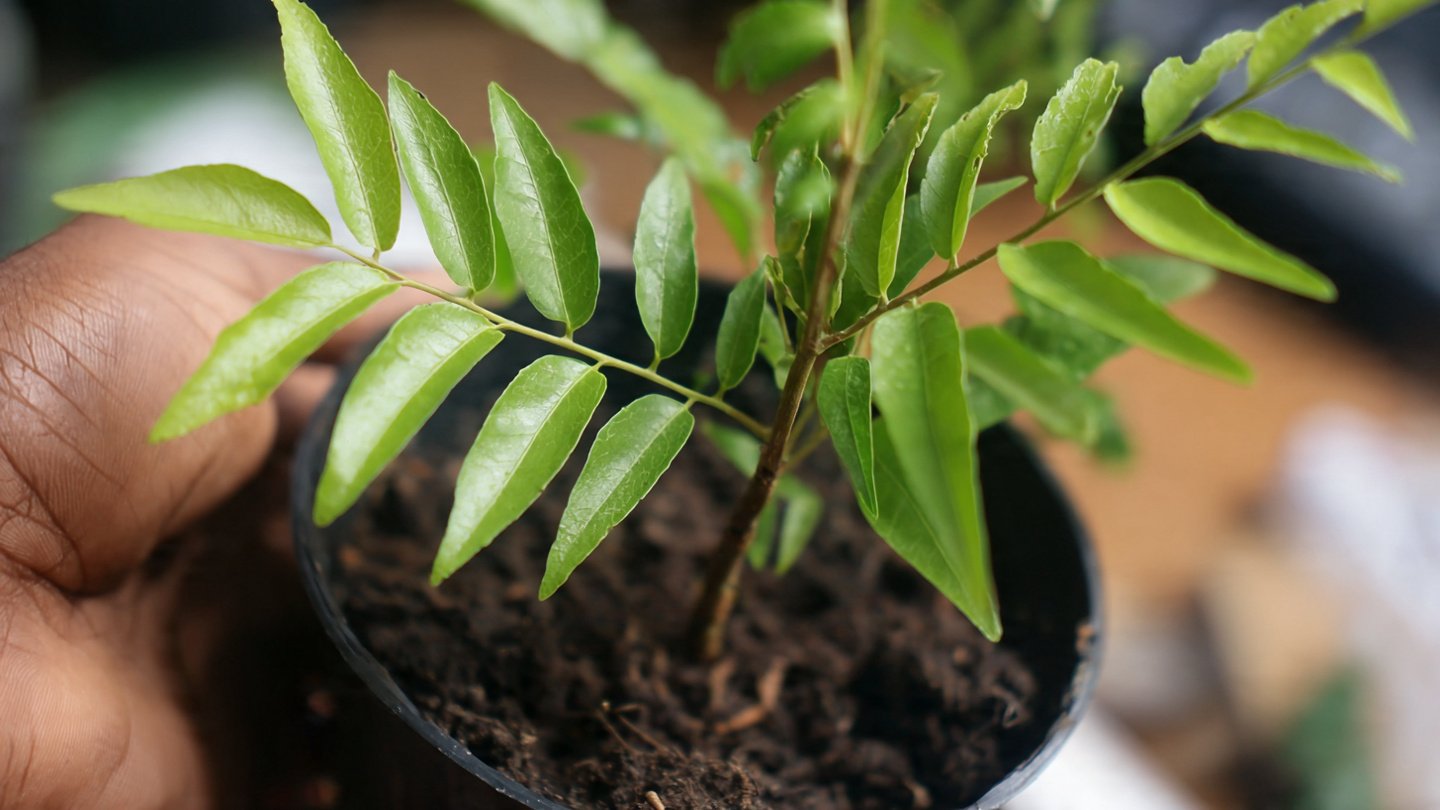
Curry leaf plants (Murraya koenigii) are a staple in Indian kitchens, adding that distinctive aromatic flavor to curries, soups, and chutneys. While many gardeners grow curry leaf plants from seeds, propagating them from old woody stems is an often overlooked but highly effective method. This approach allows you to rejuvenate older plants or propagate a favorite variety that produces flavorful leaves. In this guide, we’ll walk you through a step-by-step process to grow a healthy curry leaf plant from an old woody stem.
Why Propagate From Old Woody Stems?
Old woody stems are mature portions of a curry leaf plant that have developed strong structural tissue. Propagating from these stems has several advantages:
- Faster Growth: Unlike seeds, cuttings from woody stems establish more quickly.
- Consistency: You get a plant genetically identical to the parent, preserving flavor and aroma.
- Rejuvenation: It can revitalize an old plant, encouraging new leaf growth.
Step 1: Selecting the Right Stem
The first step is to identify a healthy woody stem from an existing curry leaf plant.
Tips for Selection:
- Choose a stem that is semi-hardwood or mature, not soft green shoots.
- Look for healthy bark with no signs of disease, fungus, or pest damage.
- A stem that is 6–12 inches long with at least 3–5 nodes (points where leaves grow) is ideal.
Avoid using stems that are too old and brittle, as they may have difficulty rooting.
Step 2: Preparing the Cutting
Once you’ve selected your stem, it’s time to prepare it for planting.
Steps:
- Remove any leaves from the lower half of the stem. Leaves can drain energy and interfere with rooting.
- Cut the stem at a 45-degree angle using a sharp, sterilized knife or pruning shears.
- Optional: Dip the cut end in rooting hormone powder. This encourages root growth and improves success rates.
Pro Tip: Make a clean cut to avoid crushing the woody stem, which can reduce rooting potential.
Step 3: Choosing a Planting Medium
Curry leaf cuttings need a well-draining medium to prevent rot while encouraging root development.
Recommended Options:
- A mix of sand and coconut coir or sand and perlite works well.
- You can also use a light potting mix enriched with organic compost.
The goal is to keep the medium slightly moist but aerated, allowing the cutting to breathe and develop roots.
Step 4: Planting the Cutting
Planting properly ensures your woody stem establishes roots successfully.
Steps:
- Make a small hole in your chosen planting medium.
- Insert the lower half of the cutting into the soil, ensuring at least 2–3 nodes are buried.
- Firm the soil gently around the cutting to provide support.
- Water lightly, ensuring the medium is moist but not soggy.
Step 5: Creating the Right Environment
Woody cuttings need a warm and humid environment to encourage root formation.
Tips:
- Cover the cutting with a plastic bag or transparent dome to maintain humidity.
- Place it in indirect sunlight — avoid direct harsh sun that can dry out the cutting.
- Maintain a temperature between 22–28°C (72–82°F) for optimal rooting.
Check regularly for moisture and remove any condensation that collects inside the cover to prevent fungal growth.
Step 6: Watering and Care During Rooting
Proper watering is crucial in the early weeks.
- Water lightly every 3–4 days or when the soil surface feels dry.
- Avoid overwatering, which can cause the stem to rot.
- Mist occasionally to maintain humidity if the environment is dry.
It usually takes 4–6 weeks for roots to develop on a woody curry leaf cutting. Gently tug the cutting to check for resistance, indicating root formation.
Step 7: Transplanting the Rooted Cutting
Once your cutting has established roots, it’s ready to be moved to a permanent pot or garden bed.
Steps:
- Choose a pot with good drainage holes or a sunny garden location.
- Use nutrient-rich, well-draining soil to support healthy growth.
- Transplant carefully, keeping the root ball intact.
- Water immediately after transplanting to reduce stress.
Pro Tip: Mulch around the base with organic material to retain moisture and suppress weeds.
Step 8: Post-Transplant Care
After transplanting, continue nurturing your young curry leaf plant:
- Sunlight: Provide 6–8 hours of sunlight daily. Morning sun is preferable.
- Watering: Keep soil consistently moist, but avoid waterlogging.
- Fertilizing: Feed with organic compost or balanced liquid fertilizer every 4–6 weeks during active growth.
- Pruning: Trim older leaves occasionally to encourage new shoots and maintain a bushy shape.
With proper care, your new curry leaf plant will grow vigorously, producing aromatic leaves within months.
Common Challenges and How to Overcome Them
- Stem Rot: Avoid overwatering and ensure the medium is well-draining.
- Pest Attacks: Young cuttings may attract aphids or mealybugs. Use mild neem oil spray if needed.
- Slow Growth: Woody stems can take longer to root than softwood cuttings. Patience is key — avoid disturbing the cutting frequently.
Benefits of Growing From Woody Stems
- Preserves Plant Variety: You replicate the exact parent plant, keeping the same aroma and flavor.
- Faster Establishment: Rooted woody cuttings grow faster than seeds.
- Cost-Effective: You can propagate multiple plants from an existing garden plant.
- Sustainable Gardening: Encourages recycling of mature stems instead of discarding them.
Tips for Thriving Curry Leaf Plants
- Sunlight: Always provide plenty of natural light for aromatic leaves.
- Pot Size: As the plant grows, repot into larger containers to allow root expansion.
- Temperature: Curry leaf plants are tropical — protect them from frost or cold drafts.
- Regular Pruning: Keep the plant bushy for higher leaf yield.
Conclusion
Propagating a curry leaf plant from an old woody stem is a rewarding way to multiply your garden’s greenery while preserving the flavor and aroma of your favorite culinary plant. With the right stem selection, planting medium, and care routine, even mature woody cuttings can grow into healthy, productive curry leaf trees.
Whether you’re a seasoned gardener or a kitchen herb enthusiast, this method offers a cost-effective and sustainable way to grow curry leaves at home. Soon, your once old and dormant stems will flourish into a vibrant plant, producing leaves that bring rich flavor to every dish. 🌿🍛