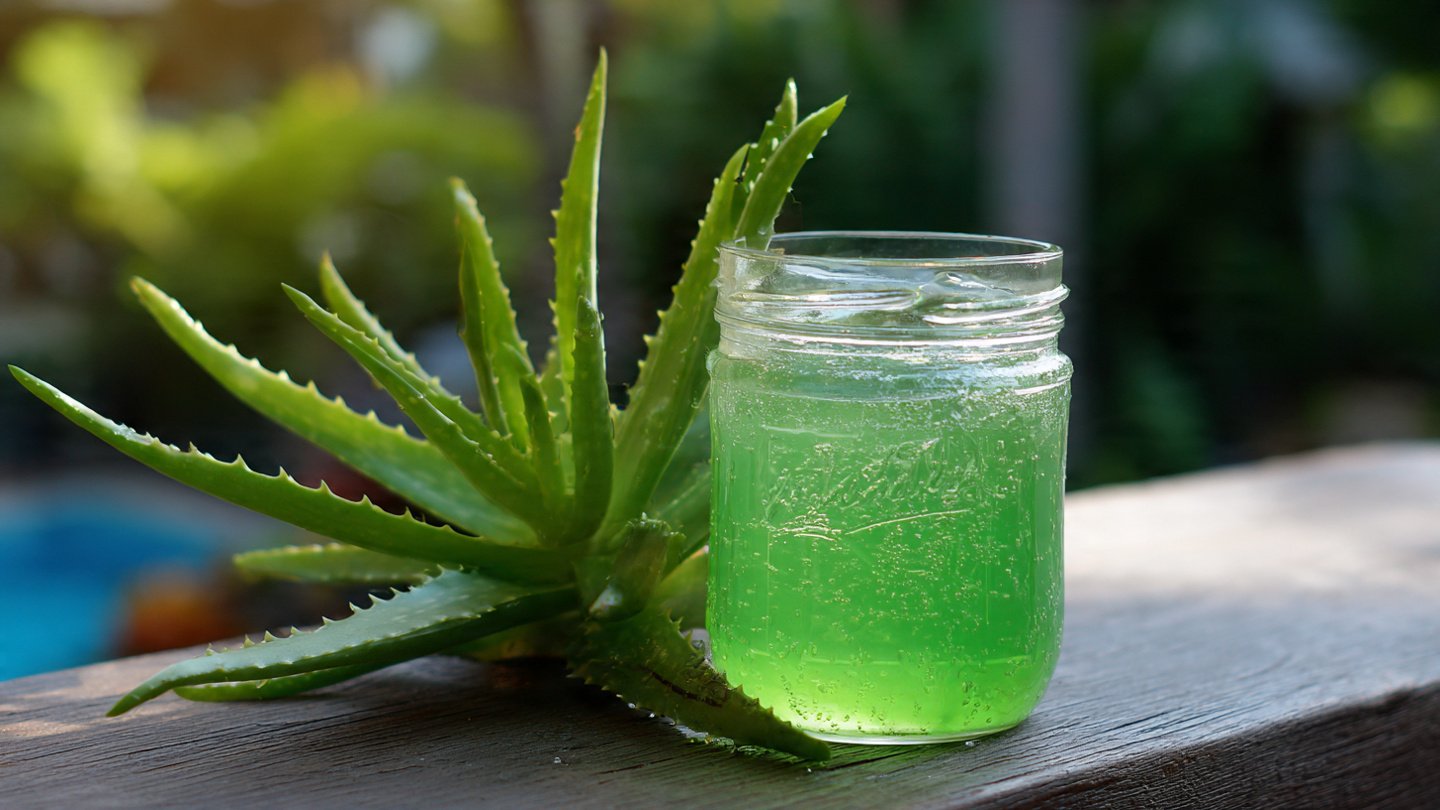
Roses are undeniably beautiful, adding elegance, fragrance, and charm to any garden. But propagating roses from cuttings can be tricky. Many gardeners struggle with low success rates, often due to weak rooting or fungal problems. Fortunately, there’s a natural, effective solution: aloe vera gel. Packed with vitamins, enzymes, and growth-promoting hormones, aloe vera can dramatically improve your rose rooting success—without synthetic chemicals.
This guide will show you how to use natural aloe vera gel to root roses effectively, step by step, along with tips for plant care, propagation techniques, and troubleshooting common issues.
Why Aloe Vera Works for Rose Rooting
Aloe vera is a succulent plant with gel-rich leaves. The gel contains several compounds beneficial for plant propagation:
- Auxins – Natural plant hormones that stimulate root growth.
- Polysaccharides – Help retain moisture around the cutting.
- Enzymes & Vitamins – Protect the plant from infections and boost overall health.
- Antifungal properties – Reduce the risk of root rot and fungal diseases.
Unlike synthetic rooting hormones, aloe vera gel is natural, safe, and easily available. Its combination of rooting hormones, moisture retention, and antifungal properties makes it one of the best natural aids for propagating roses.
Step 1: Choose Healthy Rose Cuttings
For successful rooting, start with healthy rose stems:
- Select semi-hardwood cuttings (not too soft, not too old).
- Cut a 6–8 inch piece with at least 3–4 nodes (where leaves emerge).
- Make a clean, slanted cut just below a node to maximize root development.
- Remove flowers and most leaves to reduce water loss.
Healthy, disease-free cuttings are essential for high success rates.
Step 2: Prepare the Aloe Vera Gel
You can use fresh aloe leaves for the best results:
- Cut a mature, thick leaf from an aloe vera plant.
- Wash it thoroughly to remove dust or dirt.
- Slice the leaf open lengthwise and scoop out the clear gel using a spoon.
- Place the gel in a clean bowl, removing any yellow latex (aloin), which can irritate plants.
Optionally, you can slightly blend the gel to make it smoother, making it easier to coat rose cuttings evenly.
Step 3: Dip Rose Cuttings in Aloe Vera Gel
- Moisten the base of each rose cutting with water.
- Dip the bottom 2–3 inches of the cutting into the aloe vera gel.
- Ensure the gel coats the node area where roots are expected to form.
The gel not only stimulates root growth but also protects the cutting from fungal infections, especially in humid conditions.
Step 4: Prepare the Planting Medium
Roses root best in a well-draining, loose medium:
- Mix garden soil with sand and compost (2:1:1 ratio).
- Fill a clean pot or tray with the mixture.
- Make holes using a pencil or stick for inserting the cuttings.
Well-draining soil prevents waterlogging, which can cause rot in cuttings—even with aloe vera protection.
Step 5: Plant the Cuttings Properly
- Insert the aloe-coated cuttings into the planting medium, covering at least one node.
- Gently press the soil around the base to stabilize the cutting.
- Maintain spacing between cuttings to allow airflow.
Avoid burying the entire cutting; only the bottom portion should be in contact with the soil.
Step 6: Create a Mini Greenhouse Environment
Rose cuttings root best in high humidity and moderate light:
- Cover the pot with a clear plastic bag or a plastic bottle cut in half to create a mini greenhouse.
- Ensure the cover doesn’t touch the leaves directly.
- Place the setup in bright, indirect sunlight, avoiding harsh midday sun.
High humidity prevents water loss while promoting root formation, and indirect light reduces stress on the cuttings.
Step 7: Watering and Maintenance
- Keep the soil moist but not soggy.
- Mist cuttings daily or every other day, depending on climate.
- Remove the cover occasionally to allow air circulation and prevent fungal growth.
Aloe vera gel helps retain moisture around the cutting, but careful watering is still necessary.
Step 8: Monitoring Root Growth
Root formation usually takes 2–4 weeks, depending on the rose variety and environmental conditions. Signs of successful rooting include:
- New leaf growth at the top of the cutting
- Resistance when gently tugging the cutting (indicating root anchoring)
- Healthy, green stem and leaves
Avoid disturbing the cuttings too often, as excessive handling can damage delicate roots.
Step 9: Transplanting Rooted Roses
Once roots are well-formed:
- Prepare a pot or garden bed with rich, well-draining soil.
- Carefully remove the cutting, keeping roots intact.
- Plant at the same depth as before.
- Water thoroughly after transplanting.
- Gradually acclimate the plant to outdoor conditions if it was propagated indoors.
Transplanting too early or in poor soil can undo the benefits of aloe vera rooting.
Tips for Maximizing Success
- Use fresh aloe vera gel – Store-bought gels may contain preservatives that reduce effectiveness.
- Cuttings selection – Morning cuttings from healthy, disease-free plants root best.
- Temperature – Keep cuttings in a warm environment (65–75°F or 18–24°C).
- Avoid overwatering – Even aloe gel cannot prevent root rot in waterlogged soil.
- Optional natural additives – Some gardeners mix aloe gel with honey or cinnamon powder to further enhance antifungal protection.
Common Mistakes to Avoid
- Using old or unhealthy rose stems
- Applying too much water and causing soggy soil
- Exposing cuttings to direct sunlight
- Using gel with additives or preservatives
- Removing protective cover too early
By avoiding these errors, you can achieve much higher rooting success.
Benefits of Using Aloe Vera Gel for Rose Propagation
- Natural and chemical-free – Safe for organic gardening
- Promotes faster root growth – Auxins in the gel stimulate root formation
- Reduces fungal infections – Natural antifungal properties protect delicate cuttings
- Moisture retention – Keeps the base of the cutting hydrated without overwatering
- Cost-effective and sustainable – No need to buy synthetic rooting hormones
Aloe vera is not just effective—it’s an eco-friendly, sustainable solution for gardeners.
Final Thoughts
Using natural aloe vera gel for rose propagation is one of the simplest, most effective ways to increase your success rate. With proper selection of cuttings, a healthy rooting environment, and careful monitoring, even beginner gardeners can grow beautiful, healthy roses from cuttings.
This method harnesses nature’s own growth stimulants to nurture roses, promoting strong roots, healthy foliage, and ultimately, vibrant blooms. It’s an affordable, chemical-free, and reliable solution that brings a touch of nature into your gardening routine.
If you haven’t tried aloe vera for rose propagation yet, now is the perfect time. Your roses will thank you with strong roots, lush growth, and stunning flowers in the seasons to come.