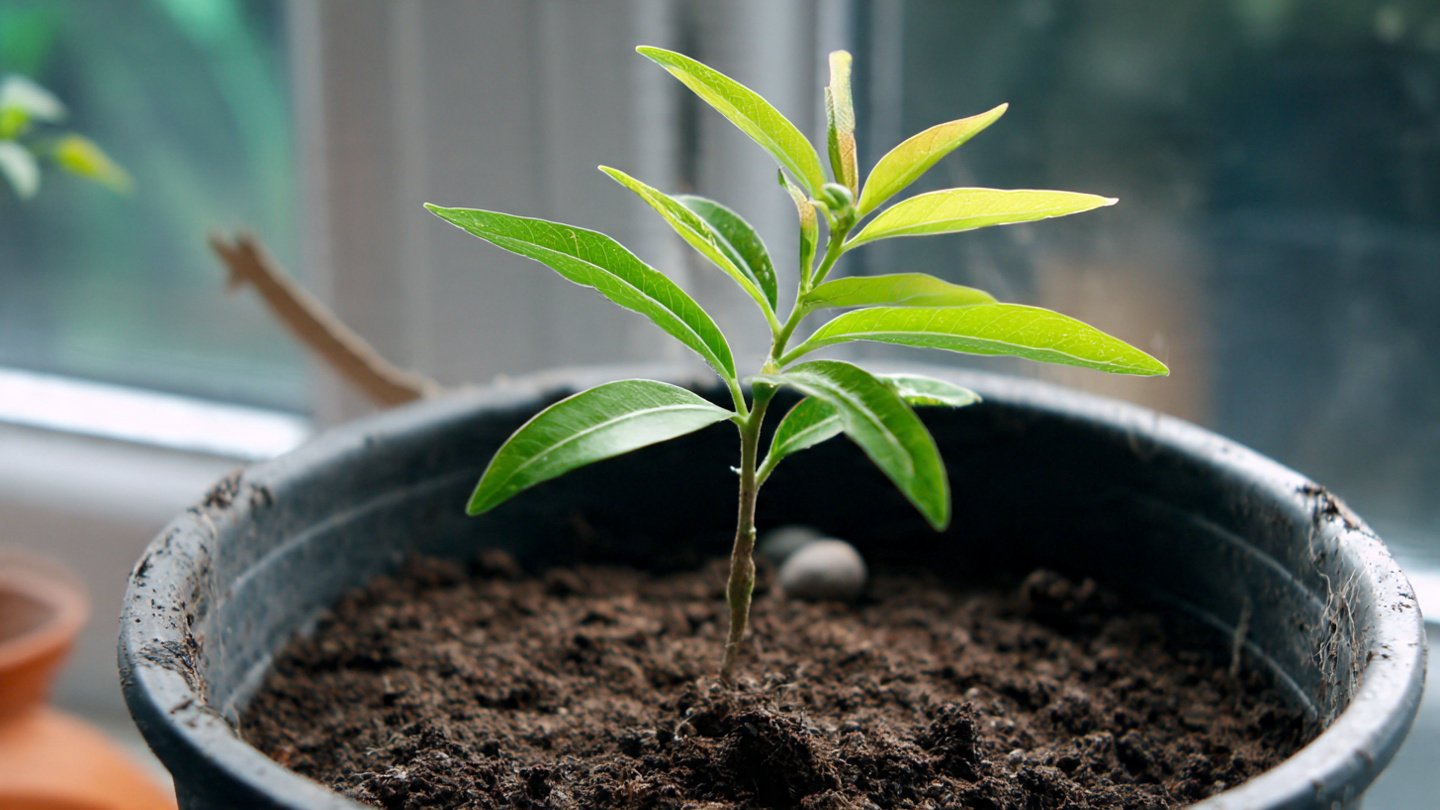
Growing a mango plant from seed indoors is an exciting project for plant lovers, especially when you see the first green shoot emerging. While mango seeds naturally take time to sprout, there are simple indoor tricks that can significantly speed up germination and improve success rates. Whether you’re a beginner or an experienced gardener, these methods help you achieve faster, healthier results using items already available at home.
In this guide, you’ll discover 7 quick indoor mango seed germination tricks, along with step-by-step tips, common mistakes to avoid, and how to care for your seedling after it sprouts.
Why Germinate Mango Seeds Indoors?
Indoor germination gives you better control over temperature, moisture, and cleanliness—three factors that strongly affect mango seed success.
Benefits of Indoor Germination:
- Faster sprouting compared to outdoor sowing
- Protection from pests and fungi
- Year-round growing possibility
- Higher germination success
With the right technique, mango seeds can sprout in as little as 7–14 days indoors.
Choosing the Right Mango Seed
Before using any trick, seed quality matters.
Best Seed Selection Tips:
- Use seeds from fully ripe mangoes
- Avoid seeds from refrigerated fruits
- Prefer locally grown or seasonal mangoes
- Clean the seed immediately after eating the fruit
Freshness plays a major role in fast germination.
Trick 1: Remove the Hard Seed Shell
This is the most important and effective trick for fast mango germination.
Why It Works:
The hard outer shell slows down water absorption and delays sprouting.
How to Do It Safely:
- Wash the seed thoroughly
- Dry it slightly with a cloth
- Carefully pry open the shell using a knife
- Remove the inner kernel without damaging it
⚠️ Be gentle—the inner seed is fragile.
Result:
Sprouting time reduces from weeks to days.
Trick 2: Soak the Kernel in Warm Water
Soaking activates the seed and wakes it from dormancy.
Steps:
- Place the extracted kernel in warm (not hot) water
- Soak for 12–24 hours
- Change water once if it becomes cloudy
Benefits:
- Softens seed tissues
- Speeds up root emergence
- Improves germination rate
Avoid soaking longer than 24 hours to prevent rot.
Trick 3: Paper Towel Germination Method (Fastest Method)
This indoor method allows you to visually track progress.
What You Need:
- Paper towels
- Ziplock bag or container
- Spray bottle
Steps:
- Wrap the soaked kernel in a moist paper towel
- Place inside a ziplock bag (leave slight air gap)
- Keep in a warm, dark place (25–30°C)
- Check every 2 days
Results:
- Root appears in 5–7 days
- Shoot appears shortly after
Once roots reach 1–2 inches, transplant carefully.
Trick 4: Use Coco Peat Instead of Soil
Coco peat is ideal for indoor germination.
Why Coco Peat Works Better:
- Excellent moisture retention
- Lightweight and sterile
- Prevents fungal issues
How to Use:
- Fill a small pot with moist coco peat
- Place the kernel sideways
- Cover lightly and keep warm
Coco peat allows roots to grow freely without resistance.
Trick 5: Maintain Warm Temperature Consistently
Mango seeds love warmth—this is critical for speed.
Ideal Temperature:
- 25–35°C (77–95°F)
Indoor Heat Hacks:
- Place near a sunny window
- Keep on top of refrigerator
- Use a seedling heat mat
- Wrap pot with cloth in cooler areas
Cold temperatures are the #1 reason for delayed germination.
Trick 6: Keep Moist, Not Wet (Moisture Control)
Too much water kills mango seeds faster than too little.
Moisture Rules:
- Soil or medium should feel damp, not soggy
- Spray water instead of pouring
- Ensure drainage holes if using pots
Signs of Overwatering:
- Bad smell
- Blackened seed
- Mold growth
Balanced moisture ensures faster root development.
Trick 7: Orientation Matters When Planting
How you place the seed makes a difference.
Correct Orientation:
- Lay the kernel flat or sideways
- The slightly curved edge should face down
- Avoid vertical planting indoors
Correct orientation helps the root and shoot emerge naturally without stress.
How Long Does Mango Seed Germination Take Indoors?
Using these tricks:
- Root emergence: 5–10 days
- Shoot emergence: 7–14 days
- Strong seedling: 3–4 weeks
Without these methods, germination can take 30–45 days.
After Germination: Indoor Care Tips
Once your mango seed sprouts, proper care ensures healthy growth.
Light:
- Bright indirect sunlight
- Avoid harsh midday sun initially
Water:
- Water only when top layer feels dry
- Never let pot sit in standing water
Pot Size:
- Start with small pots
- Transplant only when roots fill the pot
Common Mistakes That Slow Germination
- Using old or dry seeds
- Not removing the hard shell
- Overwatering
- Cold indoor conditions
- Burying seed too deep
Avoiding these mistakes alone can double success rates.
Can You Grow Mango Indoors Long-Term?
Yes, but with limitations.
Indoor Mango Reality:
- Grows well as a decorative plant
- Fruiting indoors is rare
- Dwarf varieties perform better
Many gardeners eventually transplant seedlings outdoors or into large containers.
Best Time to Germinate Mango Seeds Indoors
While indoor growing allows year-round attempts, best results occur when:
- Outdoor temperatures are warm
- Natural daylight is longer
- Humidity is moderate
Spring and early summer give the fastest growth.
Final Thoughts
Growing mango from seed indoors doesn’t have to be slow or uncertain. By using these 7 quick germination tricks, you can dramatically reduce sprouting time and enjoy a healthy mango seedling within weeks. From removing the hard shell to maintaining warmth and moisture, each step plays a crucial role in success.
Indoor mango seed germination is not just rewarding—it’s a great way to learn plant growth up close and bring a tropical touch to your home. With patience, care, and the right techniques, your mango journey can begin faster than you ever imagined.