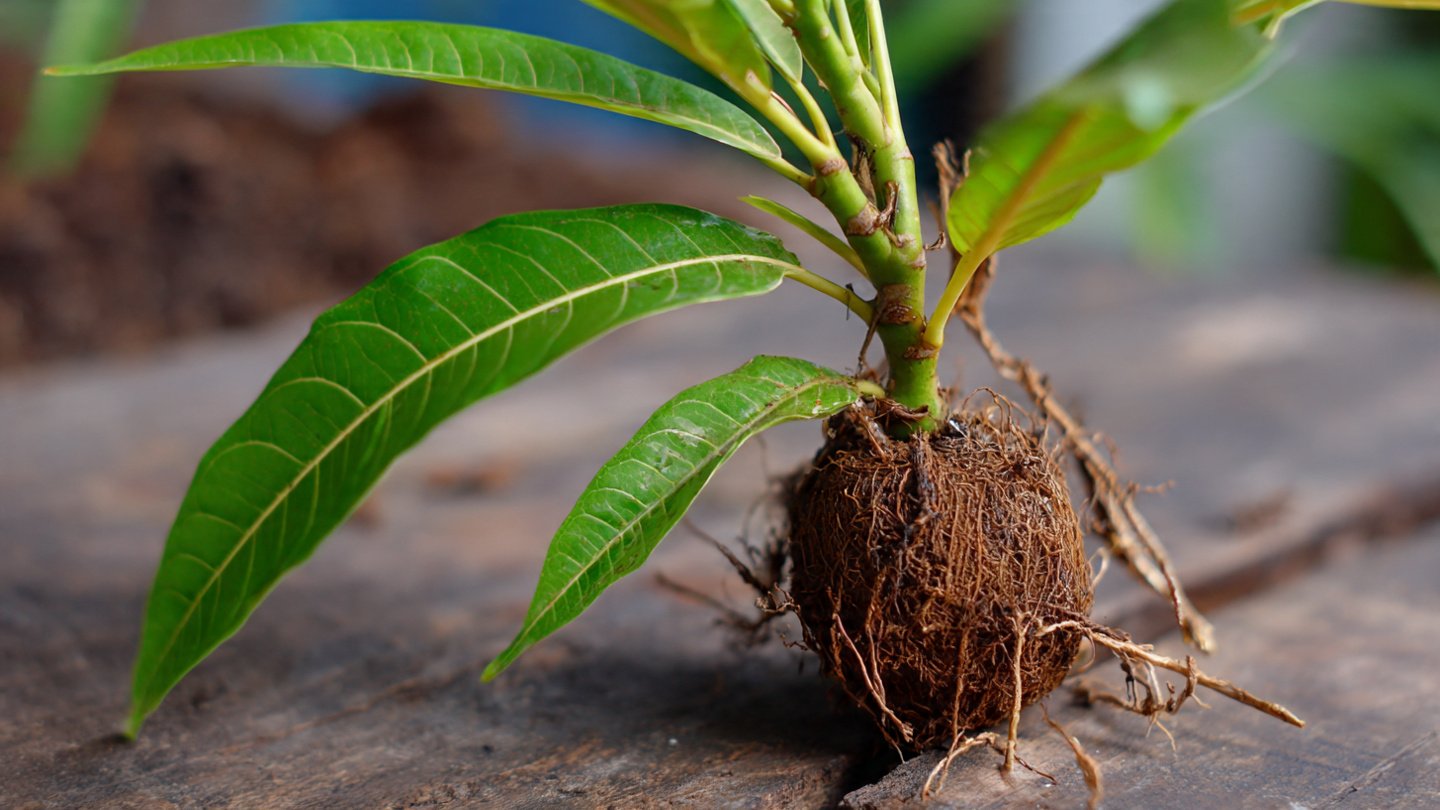
Mango is one of the most loved fruit trees in home gardens, but many people believe it can only be grown from seeds or grafted plants bought from nurseries. In reality, you can successfully root a mango stem at home using simple techniques and everyday materials. While mango stem propagation requires patience, the right method greatly improves success rates—even for beginners.
In this article, you’ll learn five easy home methods to root mango stems successfully, along with step-by-step instructions, care tips, and common mistakes to avoid.
Can Mango Trees Grow from Stems?
Yes, mango trees can grow from stems, though they are more challenging to root than many other fruit plants. Mango stems are woody and contain natural rooting inhibitors, which is why many attempts fail. However, when the correct technique, moisture level, and environment are provided, mango stems can develop roots and grow into healthy plants.
Stem-grown mango plants are especially useful for:
- Preserving a favorite mango variety
- Growing mango trees at low cost
- Home gardening experiments
Best Time to Root Mango Stems
Timing is crucial for success.
Ideal season:
- Late spring to early monsoon
- Warm temperatures between 25–35°C
Avoid extreme cold or very dry weather, as mango stems root best in warm, humid conditions.
Selecting the Right Mango Stem
Before trying any method, start with the correct stem.
Ideal stem characteristics:
- Semi-hardwood (not too soft, not fully woody)
- 6–8 inches long
- Pencil-thick diameter
- Healthy, disease-free branch
- Taken from a fruiting mango tree
Remove leaves from the lower half and keep 1–2 leaves at the top to reduce moisture loss.
Method 1: Soil Pot Method (Most Common & Beginner-Friendly)
This is the simplest and most popular method for home gardeners.
What you need:
- Mango stem cutting
- Small pot with drainage holes
- Garden soil + sand + compost (1:1:1)
- Optional: rooting hormone
Steps:
- Make a slanted cut at the base of the stem.
- Dip the cut end in rooting hormone (optional but helpful).
- Insert the stem 2–3 inches deep into moist soil mix.
- Press soil firmly to remove air gaps.
- Water lightly and cover with a plastic bottle or bag.
Care:
- Keep soil moist, not soggy
- Place in bright shade
- Open cover daily for air circulation
Rooting time: 4–8 weeks
This method works well if humidity is maintained properly.
Method 2: Water Bottle Method (Visual & Easy Monitoring)
This method allows you to observe root development directly.
What you need:
- Transparent bottle or glass
- Clean water
- Mango stem
Steps:
- Make a fresh cut at the base of the stem.
- Place the cutting in water, ensuring the node is submerged.
- Keep the container in indirect sunlight.
- Change water every 2–3 days to prevent rot.
Transplanting:
Once roots are 1–2 inches long, gently transfer the stem to soil.
Pros & Cons:
- ✔ Easy to monitor roots
- ✖ Roots may be weaker initially
This method is best combined with careful transplanting.
Method 3: Air Layering (High Success Rate)
Air layering is one of the most reliable methods for rooting mango stems at home.
What you need:
- Healthy mango branch
- Sharp knife
- Coco peat or moist moss
- Plastic wrap & thread
Steps:
- Remove a 1-inch ring of bark from the branch.
- Apply rooting hormone to the exposed area.
- Wrap moist coco peat around the cut.
- Cover with plastic and tie securely.
- Keep the area moist.
Results:
- Roots form in 4–6 weeks
- Cut and plant once roots are visible
Air layering produces stronger, faster-growing plants compared to cuttings.
Method 4: Sand Rooting Method (Low Rot Risk)
Sand reduces fungal problems and stem rot.
Materials:
- Clean river sand
- Pot or container
- Mango stem
Steps:
- Insert prepared mango stem into moist sand.
- Keep container in partial shade.
- Maintain consistent moisture.
Why it works:
- Excellent drainage
- Reduces bacterial and fungal growth
Once roots form, transplant carefully into nutrient-rich soil.
Method 5: Polybag Greenhouse Method (Best for Dry Areas)
This method creates a mini greenhouse effect.
What you need:
- Polybag or plastic cover
- Soil mix
- Mango stem cutting
Steps:
- Plant the stem in soil-filled pot.
- Cover the pot completely with a transparent polybag.
- Make small holes for airflow.
- Place in warm, shaded location.
Benefits:
- Maintains humidity
- Prevents moisture loss
- Improves rooting success
Remove the cover gradually once new leaves appear.
Aftercare: Helping Roots Grow Strong
Once rooting begins, proper aftercare is essential.
Key tips:
- Avoid direct sunlight initially
- Water lightly but consistently
- Do not fertilize until strong growth appears
- Harden plant slowly before full sun exposure
After 2–3 months, the plant can be shifted to a larger pot or ground.
Common Mistakes to Avoid
Many failures occur due to simple errors.
Avoid these:
- Using very old or woody stems
- Overwatering causing rot
- Exposing cuttings to direct sun
- Removing humidity cover too early
- Expecting fast results
Mango stem rooting requires patience and consistency.
Will Stem-Grown Mango Trees Bear Fruit?
Yes—but with some conditions.
- Stem-grown mango plants may take 4–6 years to fruit
- Fruit quality depends on parent tree
- Grafting the rooted plant later can improve fruiting speed
Air-layered plants usually fruit earlier than simple cuttings.
Final Thoughts
Rooting mango stems at home may seem challenging, but with the right method and care, success is absolutely possible. Whether you choose soil rooting, water propagation, air layering, or greenhouse-style methods, consistency and patience are the real keys.
Quick summary:
- Choose healthy semi-hardwood stems
- Maintain warmth and humidity
- Avoid excess water
- Be patient with results