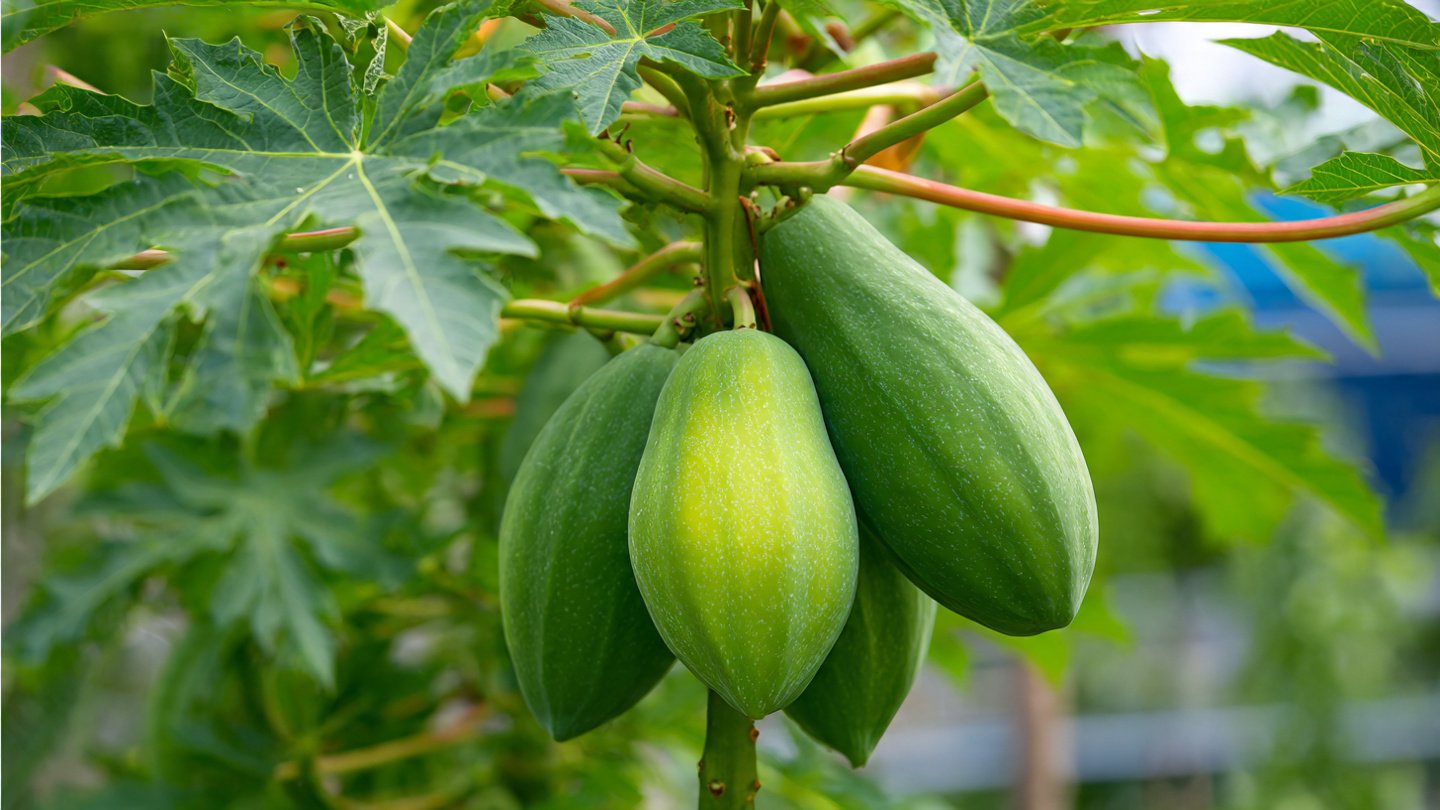
Papaya is a fast-growing, highly productive fruit plant loved for its sweet taste, digestive benefits, and year-round harvest potential in warm climates. Traditionally, papaya is grown from seeds, but seed-grown plants often show uneven growth, uncertain fruit quality, and gender variation (male, female, or hermaphrodite). For gardeners seeking faster growth, predictable results, and healthier plants, air layering offers an advanced and effective propagation method.
Although papaya is not commonly air layered like woody trees, it can be successfully air layered under the right conditions, especially in semi-woody, mature plants. This guide explains everything you need to know about air layering papaya step by step, including preparation, aftercare, advantages, and common mistakes.
Why Choose Air Layering for Papaya?
Air layering allows you to create a new plant from a mature parent plant, bypassing the uncertainty of seed germination.
Key Benefits of Air Layering Papaya:
- Produces true-to-type plants identical to the parent
- Faster fruiting compared to seed-grown plants
- Ensures desired plant gender (female or hermaphrodite)
- Strong initial growth due to mature tissue
- Useful for multiplying high-yielding papaya varieties
Air layering is especially helpful when you already have a healthy, productive papaya plant and want to clone it.
Is Air Layering Suitable for Papaya?
Papaya has a soft, hollow, herbaceous stem, unlike woody fruit trees. This means:
- Air layering must be done carefully
- Best results come from older, thick-stemmed plants
- Success rates are lower than mango or guava, but still achievable
Ideal papaya plant for air layering:
- At least 8–12 months old
- Stem thickness of 4–6 cm
- Actively growing and disease-free
Best Time to Air Layer Papaya
Timing plays a major role in success.
Ideal Season:
- Warm months with moderate humidity
- Late spring to early monsoon (or summer in tropical climates)
- Avoid cold or extremely dry periods
Temperatures between 25–35°C (77–95°F) encourage faster root formation.
Tools and Materials Required
Before starting, gather all materials:
- Sharp, sterilized knife or blade
- Coco peat or sphagnum moss
- Garden soil or compost (optional mix)
- Rooting hormone (optional but recommended)
- Plastic wrap or polythene sheet
- Twine, string, or garden tape
- Water spray bottle
- Gloves (optional)
Sterilizing tools prevents infections and increases success rates.
Step-by-Step Guide to Air Layer Papaya
Step 1: Select the Right Branch Area
Choose a healthy, straight section of the main stem or a strong side shoot, ideally:
- 30–60 cm above ground level
- Free from flowers or fruits
- Actively growing
Avoid very young green tissue or overly woody sections.
Step 2: Make the Ring Cut
Using a sharp knife:
- Make two circular cuts around the stem, about 2–3 cm apart
- Carefully remove the outer skin between the cuts
- Scrape gently to remove the green cambium layer
This prevents the plant from healing naturally and forces root formation.
Step 3: Apply Rooting Hormone (Optional but Helpful)
Apply a thin layer of rooting hormone powder or gel to the exposed area. This:
- Speeds up root initiation
- Increases root density
- Improves success rate
Natural alternatives include aloe vera gel or diluted honey.
Step 4: Prepare the Rooting Medium
Moisten coco peat or sphagnum moss until damp but not dripping.
You may also mix:
- 70% coco peat
- 30% compost or garden soil
The medium should retain moisture while allowing airflow.
Step 5: Wrap the Layer
- Place the moist medium around the exposed stem
- Cover it completely (about the size of a tennis ball)
- Wrap tightly with plastic sheet
- Secure both ends with string or tape
Ensure there are no air gaps, but avoid squeezing too tightly.
Step 6: Maintain Moisture
Check the air layer every 4–5 days:
- Keep the medium moist
- If dry, open slightly and spray water
- Avoid waterlogging
Consistent moisture is critical for root development.
Root Development Timeline
Papaya air layers typically develop roots within:
- 3–5 weeks in warm conditions
- Up to 6 weeks in cooler or drier climates
You’ll notice white roots pressing against the plastic when ready.
Step 7: Detaching the New Plant
Once you see healthy, well-developed roots:
- Cut below the rooted section using a sharp knife
- Remove plastic carefully without disturbing roots
- Trim excess leaves to reduce stress
Do not rush this step—weak roots may fail after planting.
Step 8: Potting the Air-Layered Papaya
Pot Preparation:
- Use a medium-sized pot (10–12 inches)
- Well-draining soil mix:
- Garden soil (40%)
- Compost or vermicompost (40%)
- Sand or coco peat (20%)
Planting:
- Place the rooted ball gently in the pot
- Fill soil around it
- Water lightly
Keep the plant in partial shade for 7–10 days.
Aftercare for Healthy Growth
Proper aftercare determines long-term success.
Light:
- Partial shade initially
- Gradually introduce full sunlight after 10–14 days
Watering:
- Keep soil consistently moist
- Avoid waterlogging
Fertilization:
- Start light feeding after 2–3 weeks
- Use diluted organic fertilizer or compost tea
Support:
- Stake the plant if necessary
- Protect from strong winds
When Will Air-Layered Papaya Bear Fruit?
One of the biggest advantages of air layering is early fruiting.
- May flower within 3–5 months
- Fruit production often begins within 6–8 months
- Much faster than seed-grown plants (9–12 months or more)
This makes air layering ideal for home gardeners seeking quick results.
Common Problems and Solutions
| Problem | Cause | Solution |
|---|---|---|
| No root formation | Dry medium or poor timing | Maintain moisture, try warmer season |
| Stem rot | Excess moisture | Improve drainage and airflow |
| Weak roots | Early detachment | Wait until roots are well-developed |
| Leaf wilting after planting | Transplant shock | Reduce leaves and provide shade |
| Layer dries out | Loose wrapping | Secure plastic tightly |
Air Layering vs Seed-Grown Papaya: Comparison
| Feature | Air Layering | Seed Growing |
|---|---|---|
| Growth speed | Fast | Moderate |
| Gender certainty | Yes | No |
| Fruit quality | Same as parent | Variable |
| Time to harvest | 6–8 months | 9–12 months |
| Skill required | Moderate | Easy |
Air layering is best for gardeners seeking quality and consistency, while seeds are better for mass planting.
Important Tips for Success
- Always choose a healthy, productive parent plant
- Avoid air layering very young papaya plants
- Perform during warm, humid conditions
- Be patient—rushing reduces success
- Practice on one plant before scaling up
Final Thoughts
Air layering papaya may not be as common as seed propagation, but with careful technique and proper aftercare, it offers faster growth, predictable fruit quality, and healthier plants. For home gardeners and enthusiasts who already have a high-performing papaya plant, air layering is an excellent way to multiply success without starting from scratch.
By following this step-by-step guide, maintaining moisture, and providing gentle aftercare, you can enjoy quick-establishing papaya plants that fruit sooner and perform better than traditional seed-grown ones.
With patience and practice, air layering can become a powerful tool in your fruit-growing journey—turning one great papaya plant into many.