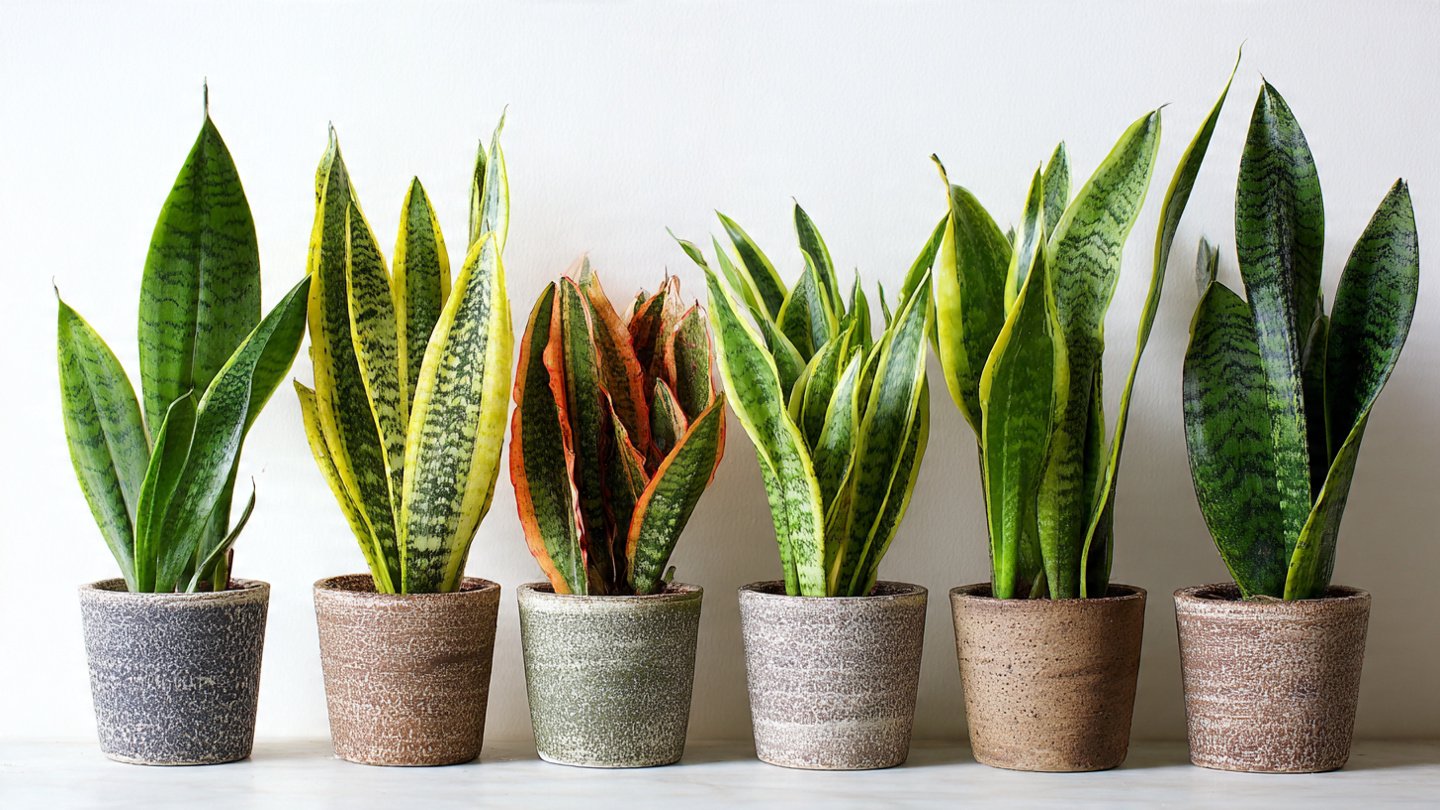
Snake plants (Sansevieria, now botanically classified under Dracaena) are among the most popular indoor plants worldwide—and for good reason. They are stylish, resilient, air-purifying, and incredibly easy to care for. What many plant lovers don’t realize is that you can create entirely new snake plant varieties from just one leaf, making propagation both exciting and rewarding.
Whether you’re a beginner gardener, a houseplant enthusiast, or someone looking to multiply plants without spending money, propagating snake plants from a single leaf is one of the simplest ways to grow stunning indoor greenery. This guide will walk you through everything you need to know—from choosing the right leaf to encouraging healthy roots and understanding how new varieties form.
Why Snake Plants Are Perfect for Leaf Propagation
Snake plants are uniquely suited for leaf propagation because of their thick, fleshy leaves that store water and nutrients. These reserves allow the leaf to survive long enough to produce roots and new shoots.
Key reasons snake plants propagate so well:
- Extremely drought-tolerant
- Slow-growing but long-living
- Resistant to pests and diseases
- Adaptable to water or soil propagation
- Can regenerate multiple plants from one leaf
This makes snake plants one of the most forgiving plants to propagate at home.
Can You Really Get New Varieties from One Leaf?
Yes—but with an important clarification.
When you propagate variegated snake plants (those with yellow or white edges) from leaf cuttings, the new plants often revert to solid green. This happens because variegation is usually stored in the plant’s root structure, not the leaf tissue.
However, leaf propagation can still produce:
- Unique growth patterns
- Subtle color variations
- Compact or taller growth habits
- Multiple baby plants from one cutting
So while you may not always replicate the exact parent variety, you can still grow beautiful, healthy, and often unique snake plants.
Choosing the Right Leaf for Propagation
Success begins with selecting a healthy leaf.
Look for:
- A mature, firm leaf
- No signs of rot, mold, or pests
- Deep green or vibrant coloration
- Leaf at least 8–12 inches long
Avoid:
- Very young leaves
- Yellowing or damaged leaves
- Leaves with soft or mushy spots
Use clean, sharp scissors or a knife to prevent infection.
Preparing the Leaf Cutting
Once the leaf is selected:
- Cut the leaf close to the soil line.
- Slice the leaf into sections 3–4 inches long.
- Mark the bottom end of each section—orientation matters.
- Let the cuttings dry for 24–48 hours.
This drying step allows the cut edges to callus, preventing rot once placed in water or soil.
Method 1: Water Propagation (Beginner-Friendly)
Water propagation is ideal for beginners because it allows you to see root growth clearly.
Steps:
- Place the bottom end of the cutting into a jar of clean water.
- Ensure only the bottom inch is submerged.
- Place the jar in bright, indirect light.
- Change the water every 5–7 days.
What to expect:
- Roots appear in 2–4 weeks
- Small rhizomes (underground stems) develop next
- New shoots may take 6–10 weeks
Once roots are 1–2 inches long, transfer the cutting to soil.
Method 2: Soil Propagation (More Natural Growth)
Soil propagation often leads to stronger plants in the long run.
Steps:
- Fill a pot with well-draining soil (cactus or succulent mix works best).
- Insert the cutting 1–2 inches into the soil.
- Water lightly and allow excess water to drain.
- Place in indirect sunlight.
Care tips:
- Water only when soil is completely dry
- Avoid overwatering—this is the most common failure point
- Be patient; growth happens underground first
New shoots may take 6–12 weeks to appear.
Encouraging Faster Root and Shoot Development
To speed up propagation:
- Keep temperatures between 20–30°C (68–86°F)
- Provide bright but indirect light
- Use rooting hormone (optional)
- Avoid moving the pot frequently
- Maintain low humidity to prevent rot
Snake plants thrive on neglect—less interference often leads to better results.
Understanding Growth Patterns and New Plants
Each leaf cutting can produce:
- One or multiple baby plants
- Shoots emerging from the soil, not the leaf
- Slow but steady growth over time
Important note:
Do not discard a cutting if nothing appears for weeks. Snake plants are slow growers, and patience is key.
Caring for Newly Propagated Snake Plants
Once new plants emerge:
- Water sparingly
- Gradually introduce brighter light
- Avoid fertilizer for the first 2–3 months
- Repot only after roots are well established
Young snake plants prefer stability. Frequent repotting or feeding can stress them.
Common Mistakes to Avoid
- Overwatering
Snake plants rot easily. Dry soil is safer than wet soil. - Planting upside down
Always ensure the bottom of the cutting faces downward. - Using heavy soil
Poor drainage leads to rot and failed propagation. - Expecting fast results
Snake plants reward patience, not rushing.
Creative Ways to Use Propagated Snake Plants
Once your plants mature, they can be used to:
- Create minimalist indoor displays
- Decorate office desks and shelves
- Gift handmade plants to friends
- Build indoor air-purifying corners
- Start a low-maintenance indoor garden
One leaf can eventually become multiple plants, making propagation both economical and satisfying.
Why Snake Plant Propagation Is Perfect for Indoor Homes
Snake plants are ideal for modern living because they:
- Tolerate low light
- Require minimal watering
- Improve indoor air quality
- Thrive in apartments and offices
- Survive busy lifestyles
Propagating them yourself adds an extra layer of connection and accomplishment.
Final Thoughts
Growing new snake plant varieties from just one leaf is one of the easiest and most rewarding plant projects you can try at home. With minimal tools, simple techniques, and a little patience, you can multiply your greenery, experiment with propagation methods, and enjoy stunning indoor plants year-round.
Whether you choose water or soil propagation, remember that snake plants grow at their own pace. Trust the process, resist overwatering, and allow nature to do the work.
From a single leaf, you can create a collection of hardy, elegant plants that elevate your indoor space while requiring almost no effort—proof that sometimes, the simplest gardening methods deliver the most beautiful results.