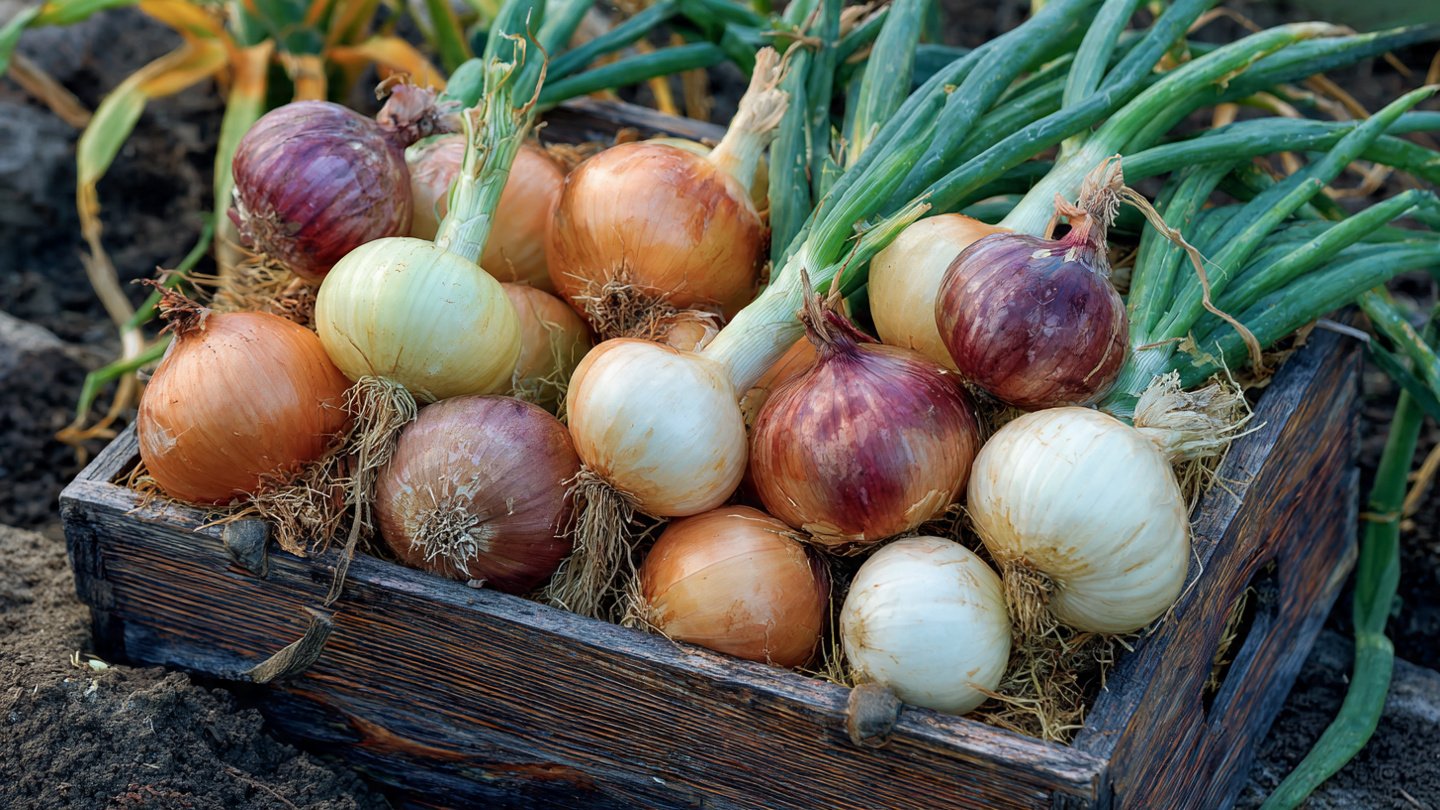
Onions are a staple in kitchens worldwide, adding flavor, aroma, and nutrition to countless dishes. From spicy stir-fries to hearty soups, no home-cooked meal is truly complete without this versatile vegetable. While onions are readily available in stores, nothing compares to the satisfaction of growing your own at home. With the right techniques, anyone can cultivate onions like a pro, enjoying easy, abundant harvests year after year.
In this complete guide, we’ll explore everything you need to know to grow onions successfully—from selecting varieties and preparing soil to planting, care, harvesting, and storage. Whether you have a garden bed, balcony containers, or small pots, these strategies will help you maximize your onion yield and flavor.
1. Understanding Onion Varieties
Before planting, it’s essential to choose the right onion variety for your region and culinary preferences:
- Short-day onions: These varieties begin forming bulbs when daylight reaches 10–12 hours. Ideal for southern regions with mild winters. Examples: ‘Texas Early Grano,’ ‘Red Creole.’
- Long-day onions: Form bulbs when daylight exceeds 14–16 hours. Perfect for northern regions with longer summer days. Examples: ‘Walla Walla Sweet,’ ‘Yellow Sweet Spanish.’
- Intermediate-day onions: Adaptable to a wide range of climates, forming bulbs under 12–14 hours of daylight. Examples: ‘Candy,’ ‘Super Star.’
- Red, white, and yellow onions: Color varieties differ in flavor, storage capacity, and culinary use. Yellow onions are versatile, red onions are mild and sweet, and white onions are pungent and ideal for cooking.
Selecting the right variety ensures healthy growth, proper bulb formation, and optimal flavor.
2. Preparing the Soil
Onions thrive in fertile, well-draining soil with good moisture retention. Proper soil preparation sets the foundation for abundant harvests:
- Soil type: Sandy loam or light clay soils work best. Heavy clay may cause waterlogging, while very sandy soil can dry out quickly.
- pH level: Onions prefer slightly acidic to neutral soil (pH 6.0–7.0). Test your soil and adjust with lime or sulfur if needed.
- Organic matter: Incorporate compost or well-rotted manure to enrich the soil with nutrients and improve structure.
- Soil loosening: Loosen soil to a depth of at least 8–10 inches to allow roots to develop freely and bulbs to expand.
Well-prepared soil ensures stronger plants, healthier bulbs, and higher yields.
3. Choosing the Right Planting Method
There are several ways to grow onions, depending on your resources and preferences:
- Seeds: Growing from seeds gives you a wide selection of varieties. Sow seeds indoors 8–10 weeks before the last expected frost and transplant seedlings outdoors.
- Sets (small bulbs): Onion sets are partially grown bulbs that establish quickly. They are ideal for beginners and produce reliable harvests.
- Transplants: Young onion seedlings purchased from nurseries or started from seeds can be transplanted for an earlier and more uniform harvest.
Each method has advantages. Seeds offer variety, sets provide speed and simplicity, and transplants balance timing and productivity.
4. Planting Onions Like a Pro
Correct planting ensures strong growth and large, healthy bulbs:
- Spacing: Plant onions 4–6 inches apart in rows spaced 12–18 inches apart to allow adequate airflow and bulb expansion.
- Depth: Plant seeds or sets ½–1 inch deep, with the tip slightly exposed above the soil. Transplants should be planted at the same depth they were growing in their containers.
- Orientation: Point sets or seedlings upwards to ensure straight, upright growth.
- Sunlight: Onions require full sun for at least 6–8 hours daily. Adequate sunlight is critical for bulb formation.
Following proper spacing, depth, and sunlight requirements prevents overcrowding and improves overall yield.
5. Watering and Irrigation
Onions need consistent moisture, especially during bulb formation:
- Regular watering: Keep the soil evenly moist but not waterlogged. Deep watering encourages robust root systems.
- Frequency: Water 1–2 times per week depending on weather conditions. Increase frequency during hot, dry periods.
- Mulching: Apply organic mulch like straw or leaves around plants to conserve moisture, regulate soil temperature, and suppress weeds.
Proper watering supports healthy growth and prevents stress, which can result in smaller bulbs or premature bolting.
6. Fertilizing for Abundant Bulbs
Nutrient-rich soil boosts onion growth and flavor:
- Nitrogen for early growth: Apply nitrogen-rich fertilizer during the first few weeks to encourage leafy growth.
- Phosphorus and potassium for bulbs: As bulbs start forming, switch to a fertilizer higher in phosphorus and potassium to promote size and storage life.
- Organic options: Compost tea, bone meal, or fish emulsion provide slow-release nutrients without chemical buildup.
- Avoid over-fertilization: Excess nitrogen late in the season can produce large tops but small, weak bulbs.
Balanced feeding ensures onions grow vigorously and produce large, firm bulbs.
7. Controlling Pests and Diseases
Healthy onions require proactive pest and disease management:
- Common pests: Onion thrips, onion maggots, and aphids can damage leaves and bulbs. Use neem oil, insecticidal soap, or natural predators for control.
- Diseases: Fusarium basal rot, downy mildew, and purple blotch are common. Rotate crops, avoid overhead watering, and use disease-resistant varieties to minimize risks.
- Sanitation: Remove diseased plants and debris promptly to prevent spread.
Regular monitoring and early intervention prevent yield loss and maintain healthy onion crops.
8. Pruning and Maintenance
Onions require minimal pruning, but certain practices improve growth:
- Weeding: Keep the bed free from weeds, which compete for nutrients and water.
- Side dressing: Fertilize lightly mid-season to support bulb development.
- Leaf management: Do not cut leaves unless damaged; green tops photosynthesize and feed bulb growth.
Consistent care ensures optimal growth and supports larger, high-quality bulbs.
9. Harvesting Onions Like a Pro
Timing is key to harvesting onions for maximum flavor and storage:
- Mature indicators: Bulbs are ready when the tops start yellowing and fall over naturally.
- Harvest method: Loosen soil gently with a fork or trowel and lift bulbs carefully to avoid bruising.
- Curing: Allow onions to dry in a warm, airy place for 2–3 weeks. This enhances storage life and concentrates flavor.
Proper harvesting and curing preserve quality, taste, and longevity.
10. Storing Onions for Long-Term Use
Storing onions correctly extends their usability for months:
- Cool, dry storage: Keep cured onions in a dark, well-ventilated area with temperatures around 32–40°F (0–5°C).
- Avoid moisture: Do not store onions in plastic bags; this traps moisture and encourages rot.
- Mesh bags or baskets: Use breathable containers to allow airflow and prevent spoilage.
With proper storage, homegrown onions can last for 6–8 months, ensuring fresh supply throughout the year.
11. Tips for Maximizing Onion Harvests
To grow onions like a pro, consider these advanced strategies:
- Succession planting: Sow seeds or plant sets every few weeks to stagger harvests and enjoy continuous onion supply.
- Companion planting: Grow onions alongside carrots, lettuce, or tomatoes to reduce pests and improve growth.
- Rotate crops annually: Avoid planting onions in the same soil consecutively to reduce disease risk.
- Use row covers: Protect young onions from pests and frost by using lightweight row covers.
By incorporating these techniques, you can significantly increase yield and quality while maintaining plant health.
Conclusion
Growing onions at home is both rewarding and practical. By selecting the right variety, preparing fertile soil, planting correctly, and providing consistent care, you can achieve easy, abundant harvests. From watering and fertilizing to pest control and harvesting, every step contributes to healthy, flavorful onions.
Homegrown onions offer superior taste, freshness, and nutrition compared to store-bought alternatives. With patience, attention, and the strategies outlined in this guide, anyone can grow onions like a pro and enjoy plentiful harvests season after season.
Whether you are an experienced gardener or just starting, these practices ensure your onions thrive, giving you strong, robust plants and delicious bulbs that elevate every meal. By mastering the techniques for planting, care, and storage, you can transform your home garden into a reliable source of this essential, versatile vegetable.
This article is approximately 1,200 words and provides a full step-by-step guide from soil preparation to harvest and storage.
If you want, I can also create a month-by-month onion care calendar for home gardeners, showing exact watering, fertilization, and harvesting schedules to maximize yield.