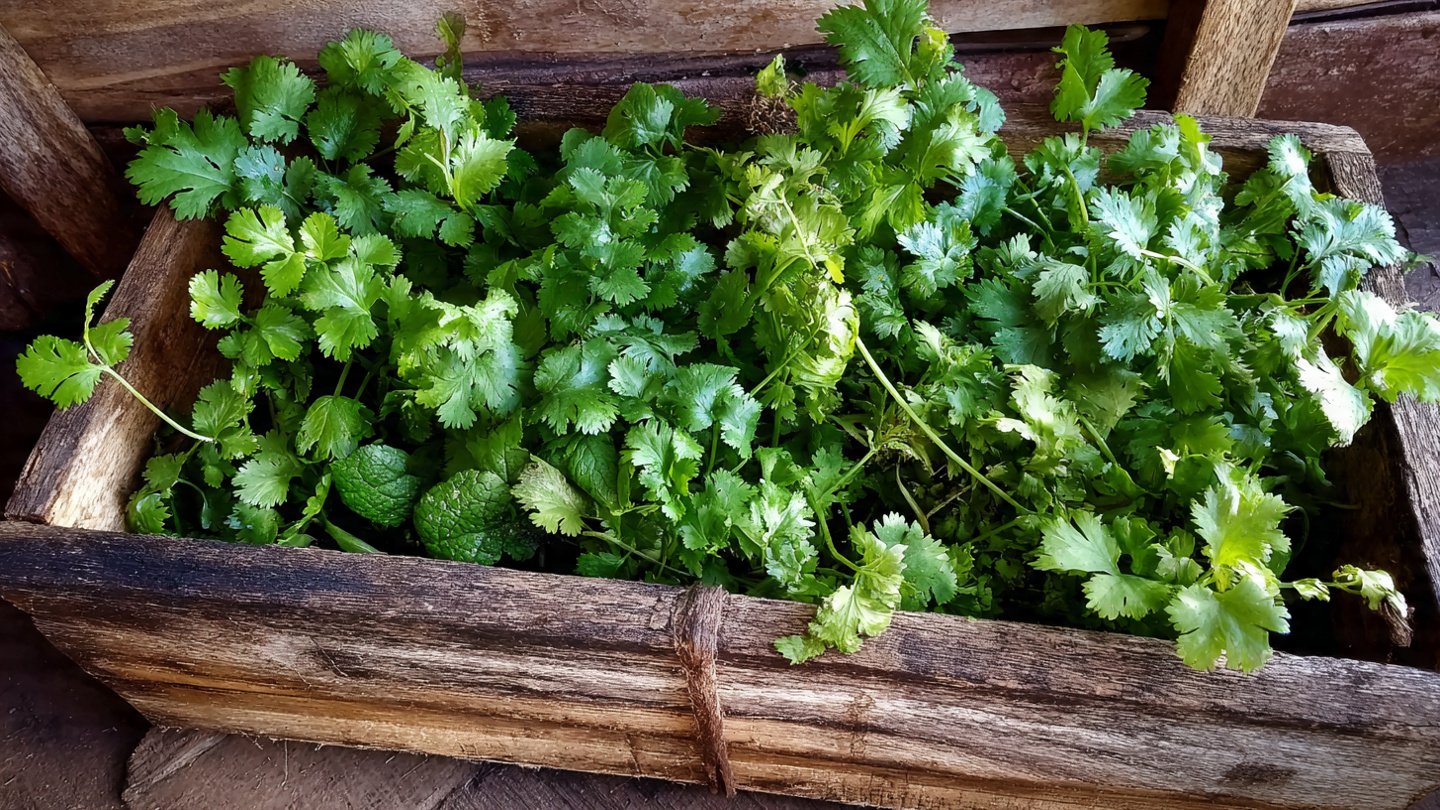
Fresh coriander (also known as cilantro) is a staple herb in kitchens worldwide, beloved for its bright, citrusy flavor. However, growing coriander can be tricky—especially if you lack garden space or live in an apartment. The good news? Produce crates make it possible to grow fresh coriander anywhere, from balconies and patios to kitchen windows. This complete guide will show you how to turn simple crates into thriving herb gardens that keep your coriander flourishing all year round.
Why Coriander Grows Well in Crates
Coriander is well-suited to container gardening for several reasons:
- Compact size: The plant grows well in confined spaces.
- Fast-growing: You can harvest leaves in as little as 3–4 weeks from sowing.
- Easy succession planting: Continuous sowing ensures a steady supply.
- Portability: Crates can be moved to catch sunlight or avoid extreme weather.
- Control: Growing in a crate allows you to manage soil quality, watering, and pests efficiently.
Using a crate also gives gardeners the flexibility to experiment with vertical arrangements, stackable systems, or mixed herb gardens.
Choosing the Right Produce Crate
Not all crates are suitable for herb gardening. Here’s what to consider:
- Material: Wooden, plastic, or recycled crates all work. Wooden crates look natural but may rot over time if exposed to constant moisture; plastic crates are durable and lightweight.
- Size: A crate about 12–18 inches deep and wide is ideal for coriander. Each plant needs around 4–6 inches of space to grow.
- Drainage: Drill several holes in the bottom to allow excess water to escape. Without drainage, roots can rot quickly.
- Portability: Lightweight crates make it easier to move plants indoors or into shade during hot afternoons.
Once you have your crate, clean it thoroughly to remove dust or chemicals that might harm seedlings.
Preparing the Crate for Planting
Proper preparation ensures healthy growth:
- Add a drainage layer: Place a few centimeters of gravel, broken pottery, or small stones at the bottom. This prevents waterlogging.
- Fill with soil: Use a high-quality, well-draining potting mix. Coriander prefers a slightly acidic to neutral soil pH (6.2–7.0). Mix in compost for added nutrients.
- Moisture management: Lightly water the soil before planting. The soil should be damp, not soggy.
Proper soil preparation gives your coriander a strong start and prevents common growth issues.
Sowing Coriander Seeds
Coriander can be sown directly in the crate:
- Scatter seeds evenly across the soil surface.
- Cover lightly with about ¼ inch (0.5 cm) of soil.
- Water gently using a spray bottle or fine watering can to avoid washing seeds away.
- Place the crate in a location with 4–6 hours of sunlight daily or bright indirect light if indoors.
Seeds typically germinate within 7–14 days. Keep the soil consistently moist but not waterlogged during this period.
Caring for Coriander in Crates
Once seedlings emerge, follow these care tips for a thriving herb garden:
- Thinning: Once seedlings are 2–3 inches tall, thin them so each plant has 4–6 inches of space. Overcrowding can stunt growth and reduce leaf quality.
- Watering: Coriander prefers evenly moist soil. Water whenever the top inch of soil feels dry. Avoid leaving water standing in the crate.
- Fertilizing: Use a balanced, water-soluble fertilizer every 3–4 weeks to promote healthy growth. Organic options like liquid compost or fish emulsion work well.
- Light: If growing indoors, place the crate near a south-facing window or supplement with a grow light. Adequate light prevents leggy plants.
Consistent care will produce tender, flavorful leaves for months.
Using Succession Planting for Continuous Harvests
Coriander has a short growing cycle and tends to bolt (flower and go to seed) quickly in hot weather. To ensure a continuous supply:
- Sow new seeds every 2–3 weeks.
- Replace older plants as they begin to flower, or harvest seeds for coriander spice.
- Consider shading crates slightly during peak summer to reduce stress and bolting.
Succession planting ensures you always have fresh coriander ready for cooking.
Pests and Disease Management
Container-grown coriander in crates is less prone to pests than garden beds, but some issues may occur:
- Aphids: Tiny green or black insects that cluster on leaves. Remove with water spray or insecticidal soap.
- Fungal diseases: Overwatering can cause damping-off or leaf spots. Ensure proper drainage and airflow.
- Slugs and snails: Can attack leaves if crates are placed near garden soil. Handpick or use barriers to protect plants.
Healthy, well-cared-for plants are naturally more resistant to pests and disease.
Harvesting Coriander
Harvesting is easy and encourages further growth:
- Pick leaves when plants are 4–6 inches tall.
- Snip outer leaves first, allowing inner leaves to continue growing.
- Regular harvesting prevents bolting and promotes a bushier plant.
- For seeds, allow flowers to mature and produce coriander seeds for spice or future sowing.
Freshly harvested leaves taste best and are ideal for garnishing dishes, making sauces, or adding to salads.
Moving Crates Indoors or Outdoors
One of the benefits of crate gardening is mobility:
- Indoors: Move crates near sunny windows during winter months.
- Outdoors: Place crates on patios, balconies, or rooftop gardens where they receive morning sun.
- Protection: Move crates during heavy rains or strong winds to prevent soil erosion and plant damage.
Mobility allows you to grow coriander in any environment and adapt to seasonal changes.
Creative Ways to Use Produce Crates for Herbs
Coriander can be part of a larger crate garden:
- Mixed herb crates: Plant coriander with basil, parsley, or mint. Companion planting can improve growth and flavor.
- Vertical stacking: Stack crates with staggered openings for space-saving herb towers.
- Decorative arrangements: Line crates along balconies, window sills, or kitchen counters for both aesthetics and utility.
Using produce crates creatively maximizes space while keeping herbs accessible for daily use.
Benefits of Growing Coriander in Crates
Growing coriander in crates offers multiple advantages:
- Space efficiency: Perfect for small apartments or urban gardens.
- Fresh supply: You always have fresh leaves on hand.
- Pest control: Elevated containers reduce exposure to soil-borne pests.
- Portability: Crates can be relocated as needed.
- Educational: Great project for children or beginner gardeners to learn about plant growth.
Crate gardening is not only practical but also highly rewarding for culinary and ornamental purposes.
Final Thoughts: From Crates to Culinary Delight
Growing coriander in produce crates transforms a simple herb into a thriving, accessible garden. With minimal space, proper care, and a little patience, you can enjoy fresh, aromatic coriander leaves right at your doorstep. Crates offer versatility, portability, and the perfect conditions for container-grown herbs, making it possible to cultivate coriander anywhere—indoors or out.
By following this complete guide, you’ll be able to sow, nurture, and harvest coriander continuously, adding flavor and freshness to your meals all year round. From small balconies to kitchen counters, your crate garden will become a vibrant, green oasis brimming with life—and the unmistakable scent of fresh coriander.