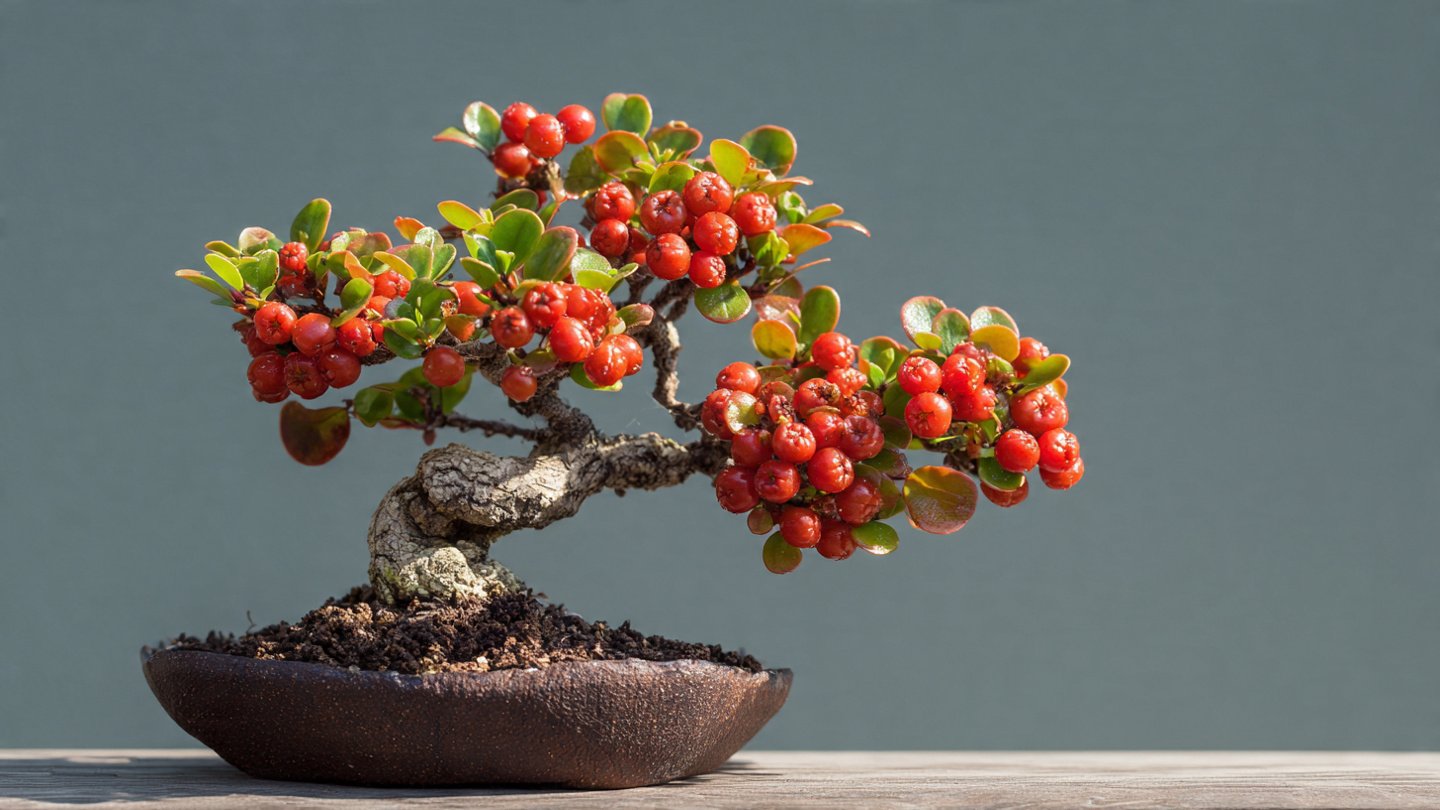
Lingonberry bonsai is a rare and rewarding choice for gardeners who love combining edible plants with artistic gardening. Known for its glossy evergreen leaves, delicate white-pink flowers, and bright red berries, lingonberry (Vaccinium vitis-idaea) adapts beautifully to bonsai cultivation when given the right care. This guide will walk you through everything you need to know to successfully grow and maintain a lingonberry bonsai in your home garden environment.
Understanding Lingonberry as a Bonsai Plant
Lingonberries are low-growing, woody evergreen shrubs native to cooler regions of Europe, Asia, and North America. They naturally thrive in acidic soils and cold climates, making them surprisingly resilient and ideal for container gardening.
As a bonsai, lingonberry offers several unique advantages:
- Naturally small leaves suitable for miniature styling
- Attractive seasonal changes: flowers in spring, berries in summer and fall
- Edible fruit with high nutritional value
- Evergreen foliage that maintains year-round interest
Because lingonberries grow slowly and have fine root systems, they respond well to pruning and root restriction—two essential components of bonsai cultivation.
Choosing the Right Lingonberry Variety
Not all lingonberry varieties perform equally well in bonsai form. When selecting a plant, choose compact or dwarf cultivars known for controlled growth.
Good options include:
- ‘Koralle’
- ‘Red Pearl’
- ‘Erntedank’
- ‘Sanna’
Look for healthy nursery plants with dense foliage and multiple low branches. Avoid leggy or stressed plants, as they take longer to adapt to bonsai training.
Selecting the Ideal Bonsai Container
The right container is essential for both aesthetics and plant health.
Pot Characteristics
- Shallow and wide to encourage surface roots
- Good drainage holes to prevent root rot
- Unglazed or lightly glazed pots for a natural appearance
Lingonberries prefer slightly cool root conditions, so ceramic or clay pots often work better than plastic.
Preparing the Perfect Soil Mix
Lingonberries demand acidic, well-draining soil, which is one of the most important factors for success.
Recommended Soil Mix
- 40% peat moss or coco peat
- 30% pine bark fines
- 20% perlite or pumice
- 10% coarse sand
This mix retains moisture while preventing compaction and maintaining acidity (ideal pH: 4.5–5.5).
Avoid regular garden soil, which is too alkaline and dense for lingonberry roots.
Planting Your Lingonberry Bonsai
- Gently remove the plant from its nursery pot.
- Trim away overly long or circling roots, keeping fine feeder roots intact.
- Position the plant slightly off-center for a natural bonsai appearance.
- Fill with soil mix and gently firm it around the roots.
- Water thoroughly until excess water drains out.
After planting, keep the bonsai in partial shade for 1–2 weeks to reduce transplant stress.
Light Requirements for Healthy Growth
Lingonberry bonsai thrives in bright, indirect light.
Ideal Placement
- Outdoor patios with morning sun and afternoon shade
- Sunny balconies protected from harsh midday heat
- Indoors near an east- or north-facing window
While lingonberries tolerate full sun in cooler climates, excessive heat can scorch leaves, especially in containers.
Watering Schedule and Moisture Control
Consistent moisture is key, but overwatering can be fatal.
Watering Tips
- Keep soil evenly moist, never waterlogged
- Water when the top 1–2 cm of soil feels slightly dry
- Use rainwater or filtered water if possible, as tap water may be alkaline
During hot weather, daily watering may be necessary. In winter, reduce frequency but never allow the soil to fully dry out.
Fertilizing Your Lingonberry Bonsai
Lingonberries are light feeders, and excessive fertilizer can damage roots.
Best Fertilizer Choices
- Acid-loving plant fertilizers (azalea or blueberry formulas)
- Organic options like fish emulsion or compost tea
Feeding Schedule
- Every 3–4 weeks during spring and summer
- Stop fertilizing in late autumn and winter
Always dilute fertilizer to half strength to avoid salt buildup.
Pruning and Bonsai Training Techniques
Pruning keeps your lingonberry bonsai compact and encourages branching.
Maintenance Pruning
- Trim new shoots back to 2–3 leaves
- Remove dead, weak, or crossing branches
- Prune lightly after fruiting season
Structural Pruning
- Best done in early spring
- Focus on creating a balanced, low-growing form
Lingonberries have flexible branches but are fragile, so wire gently and avoid heavy bends. Use thin aluminum wire and remove it within a few months to prevent scarring.
Encouraging Flowers and Fruit Production
One of the biggest rewards of growing lingonberry bonsai is harvesting berries.
Tips for Better Fruiting
- Ensure adequate sunlight during flowering
- Avoid heavy pruning in spring
- Hand-pollinate flowers indoors using a soft brush
Berries typically ripen in late summer and can remain on the plant for several weeks, adding ornamental appeal.
Seasonal Care and Winter Protection
Lingonberries are cold-hardy, but bonsai containers need protection.
Winter Care
- Move pots to a sheltered outdoor area
- Protect roots with mulch or insulating material
- Avoid indoor heating, which disrupts dormancy
Lingonberries benefit from winter chill, which supports healthy flowering the following season.
Common Problems and Solutions
Yellowing Leaves
- Cause: Alkaline soil or water
- Solution: Adjust pH and use acidic fertilizer
Poor Flowering
- Cause: Too much shade or over-fertilizing
- Solution: Increase light and reduce feeding
Root Rot
- Cause: Poor drainage
- Solution: Repot using a lighter soil mix and improve drainage
Repotting Your Lingonberry Bonsai
Repot every 2–3 years, preferably in early spring.
- Refresh soil mix
- Trim roots lightly (no more than 25%)
- Avoid heavy pruning at the same time
Proper repotting keeps the root system healthy and supports long-term growth.
Final Thoughts
Growing and caring for a lingonberry bonsai in your home garden environment is both an artistic and practical endeavor. With its evergreen foliage, delicate flowers, and edible fruit, this miniature shrub offers year-round beauty and satisfaction. By providing acidic soil, balanced watering, gentle pruning, and seasonal care, you can enjoy a thriving lingonberry bonsai that stands out as a unique living masterpiece.
Whether you are a bonsai enthusiast or an adventurous home gardener, lingonberry bonsai is a rewarding plant that beautifully blends nature, nutrition, and design.