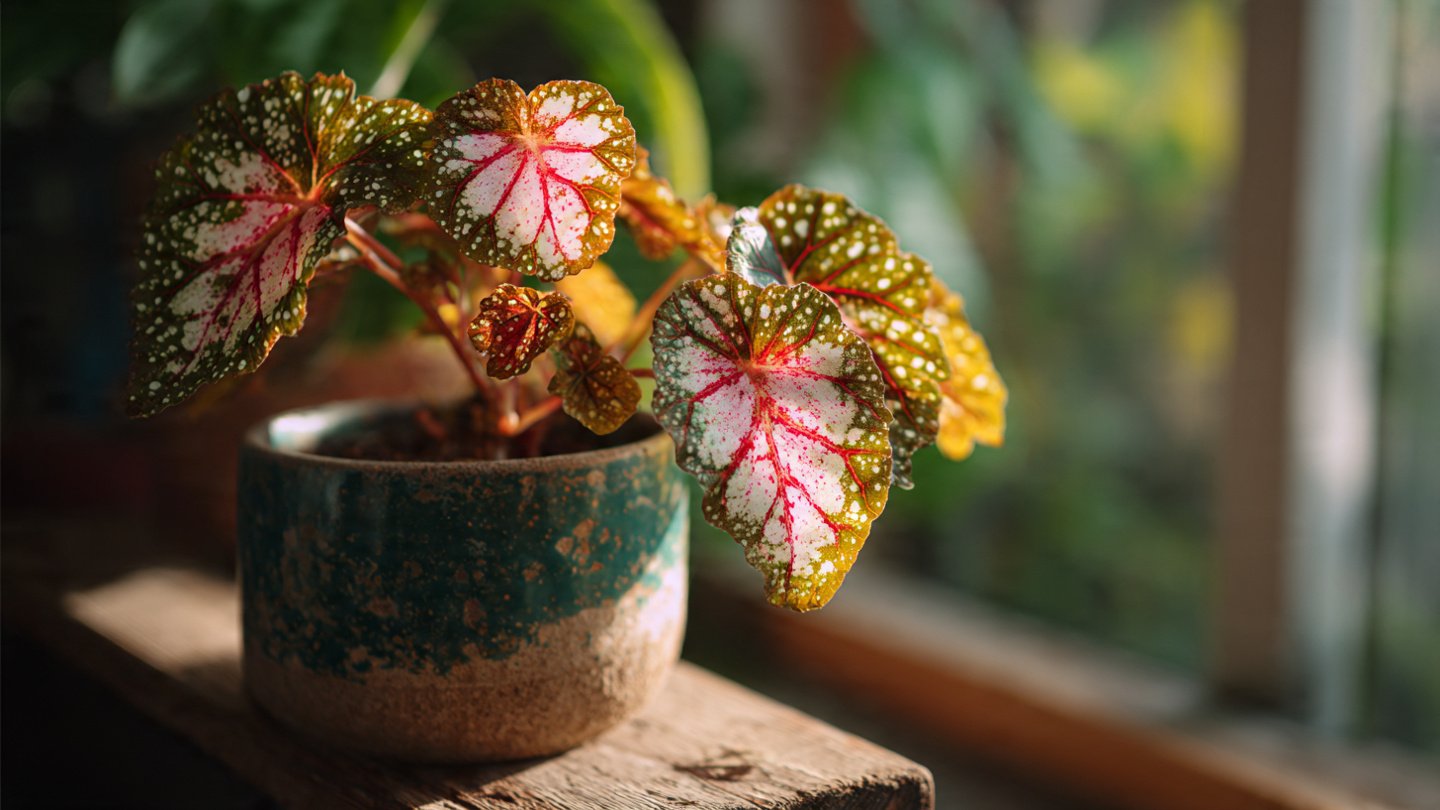
Begonia maculata, often called the Polka Dot Begonia or Angel Wing Begonia, is one of the most eye-catching houseplants you can grow indoors. With its deep green leaves splashed with silver dots and rich burgundy undersides, this plant instantly elevates any indoor space. Despite its exotic appearance, begonia maculata is surprisingly beginner-friendly when given the right care.
This complete guide will walk you through everything you need to know—from choosing the right spot to watering, pruning, propagation, and solving common problems—so you can grow a healthy, beautiful begonia maculata indoors with confidence.
What Is Begonia Maculata?
Begonia maculata is a tropical perennial native to Brazil. It belongs to the cane begonia group, meaning it has upright, bamboo-like stems and grows tall rather than spreading wide. Indoors, it can reach 2–4 feet in height when cared for properly.
What makes this plant special is its:
- Olive-green leaves with silver polka dots
- Reddish or maroon leaf undersides
- Delicate clusters of white or pale pink flowers
It’s both a foliage and flowering plant, making it a favorite among indoor gardeners.
Ideal Indoor Growing Conditions
Creating the right environment is the key to success with begonia maculata.
Light Requirements
Begonia maculata loves bright, indirect light.
- Place it near an east- or north-facing window
- Filter strong sunlight with a sheer curtain
- Avoid direct sun, which can scorch the leaves
Too little light can cause leggy growth and faded leaf spots, while too much sun leads to brown, crispy edges.
Temperature Needs
This plant thrives in warm indoor temperatures.
- Ideal range: 18–26°C (65–80°F)
- Avoid temperatures below 15°C (60°F)
- Keep away from cold drafts, AC vents, and heaters
Begonia maculata prefers stability—sudden temperature changes can stress the plant.
Humidity Requirements
Humidity is extremely important for begonia maculata.
- Ideal humidity: 50–70%
- Use a humidifier if indoor air is dry
- Group plants together to increase moisture
- Place the pot on a pebble tray with water
Low humidity often causes leaf edges to dry and curl.
Choosing the Right Soil and Pot
Best Soil Mix
Begonia maculata needs well-draining yet moisture-retentive soil.
A good mix includes:
- 40% peat moss or coco coir
- 30% perlite
- 20% compost or organic potting mix
- 10% orchid bark (optional for airflow)
This combination prevents root rot while keeping roots comfortably moist.
Pot Selection
- Always use a pot with drainage holes
- Choose a pot only 1–2 inches larger than the root ball
- Terracotta pots help control excess moisture
Overly large pots can trap water and cause root problems.
Watering Begonia Maculata Correctly
Improper watering is the most common mistake beginners make.
Watering Schedule
- Water when the top 1–2 inches of soil feels dry
- Use room-temperature water
- Water thoroughly until excess drains out
Do not let the plant sit in standing water.
Signs of Watering Problems
Overwatering signs:
- Yellowing leaves
- Mushy stems
- Foul soil smell
Underwatering signs:
- Drooping leaves
- Dry, crispy edges
- Leaf drop
Consistency is more important than frequency.
Fertilizing for Healthy Growth
Begonia maculata benefits from regular feeding during the growing season.
- Use a balanced liquid fertilizer (10-10-10 or 20-20-20)
- Feed every 2–4 weeks in spring and summer
- Reduce feeding in autumn
- Stop fertilizing in winter
Over-fertilizing can burn roots and damage leaves, so always dilute fertilizer to half strength.
Pruning and Shaping the Plant
Pruning keeps your begonia maculata compact and bushy.
How to Prune
- Use clean, sharp scissors
- Cut just above a leaf node
- Remove leggy, damaged, or yellowing stems
Regular pruning encourages side shoots and fuller growth.
How to Propagate Begonia Maculata
One of the best things about begonia maculata is how easy it is to propagate.
Stem Cutting Propagation
- Cut a healthy stem with at least one node
- Remove lower leaves
- Place the cutting in water or moist soil
- Keep in warm, bright indirect light
- Roots appear in 2–4 weeks
Once roots are established, transfer to soil if started in water.
Common Problems and Solutions
Leaf Curling
- Cause: Low humidity or underwatering
- Solution: Increase humidity and water consistently
Brown Leaf Edges
- Cause: Dry air, fertilizer burn, or inconsistent watering
- Solution: Raise humidity and flush soil occasionally
Yellow Leaves
- Cause: Overwatering or poor drainage
- Solution: Improve drainage and adjust watering
Pests
Common pests include:
- Spider mites
- Mealybugs
- Aphids
Treat with neem oil or insecticidal soap weekly until pests are gone.
Encouraging Flowers Indoors
Begonia maculata blooms when conditions are right.
To encourage flowering:
- Provide bright indirect light
- Maintain warm temperatures
- Fertilize lightly
- Avoid stress from drafts or overwatering
Flowers typically appear in late winter through summer.
Is Begonia Maculata Beginner-Friendly?
Yes—despite its dramatic look, begonia maculata is suitable for beginners who pay attention to:
- Proper watering
- Good drainage
- Adequate humidity
Once you understand its preferences, it becomes a rewarding and long-lasting houseplant.
Final Thoughts
Begonia maculata is a stunning indoor plant that combines bold foliage with elegant flowers. With bright indirect light, consistent watering, high humidity, and occasional pruning, even beginners can grow a thriving plant that becomes the centerpiece of their home.
If you’re looking for a plant that offers both beauty and personality, begonia maculata is an excellent choice. Treat it well, and it will reward you with dramatic leaves, graceful blooms, and years of indoor charm.