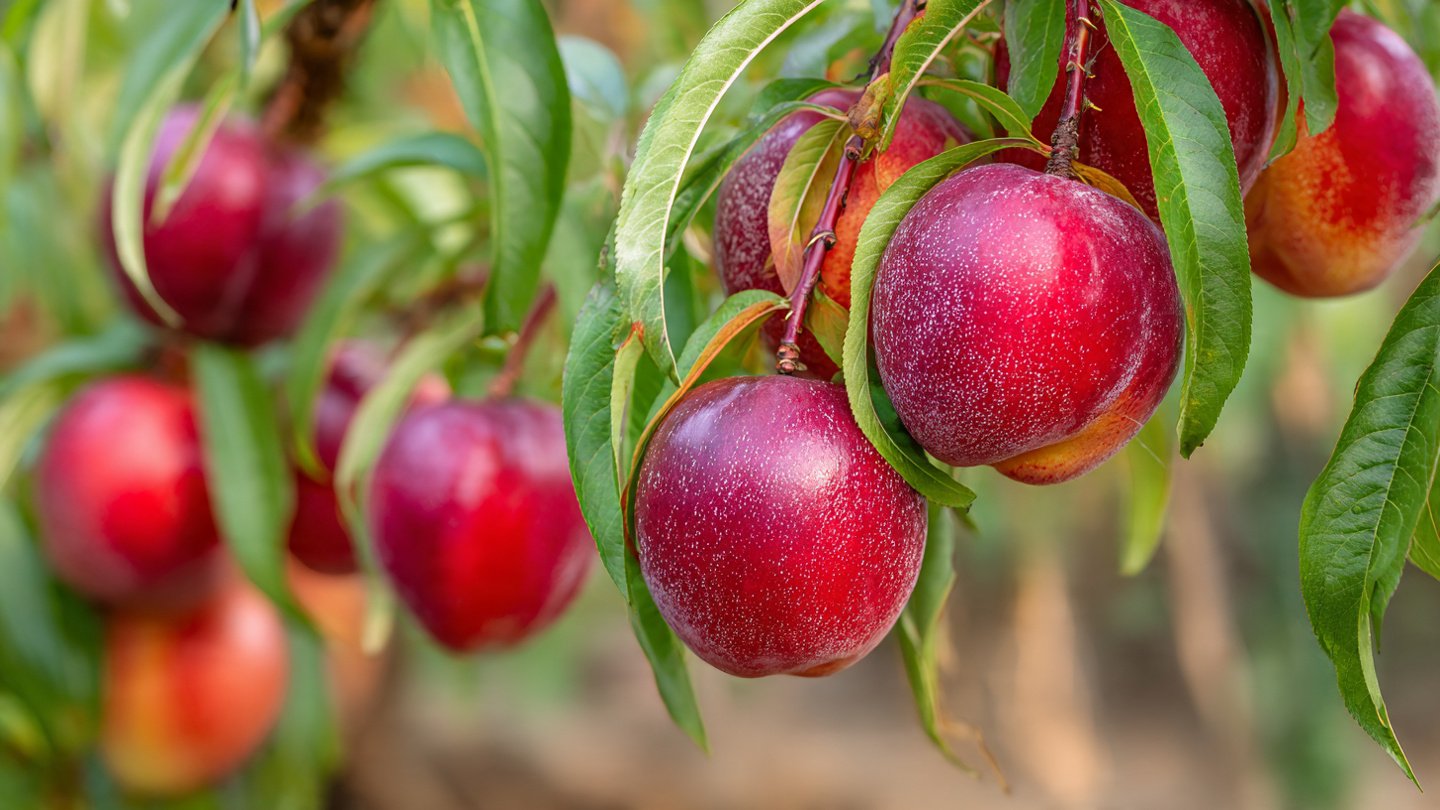
Growing nectarines is often associated with long, warm summers, but that doesn’t mean gardeners in cooler regions or short-summer climates have to miss out. With the right variety selection, smart planting strategies, and climate-specific care, nectarine trees can successfully produce sweet, juicy fruit even in areas with limited heat and shorter growing seasons.
This comprehensive guide will walk you through everything you need to know—from choosing the right nectarine variety to maximizing heat, protecting blossoms, and harvesting fruit at peak ripeness—so you can enjoy a productive nectarine harvest despite a short summer.
Understanding the Challenges of Short Summers
Short summers present unique obstacles for nectarine trees. Nectarines need warmth to flower, set fruit, and ripen properly. In regions where summers are brief, common challenges include:
- Insufficient heat units (growing degree days)
- Late spring frosts damaging blossoms
- Slow fruit ripening
- Reduced sugar development
- Early fall cold snaps
The key to success lies in working with the climate rather than against it by choosing fast-maturing varieties and using heat-boosting techniques.
Choose Nectarine Varieties Bred for Short Seasons
Variety selection is the single most important factor when growing nectarines in short summers.
Best Nectarine Varieties for Short Summers
Look for varieties described as:
- Early-ripening
- Cold-hardy
- Low chill or moderate chill
Recommended varieties include:
- Arctic Glo – Cold-hardy and early-ripening
- Hardired – Performs well in cooler climates
- Mericrest – Reliable production and disease resistance
- Fantasia – Adaptable and productive
- Necta Zee (dwarf) – Ideal for containers and short seasons
Early-ripening nectarines mature in 90–110 days, making them ideal for limited growing windows.
Select the Warmest Microclimate in Your Garden
In short-summer regions, location matters more than size.
Best Planting Locations
- South- or southwest-facing walls
- Near stone, brick, or concrete surfaces
- Sheltered areas protected from cold winds
- Slopes that allow cold air to drain away
Walls and hard surfaces absorb heat during the day and release it at night, helping extend warmth during cool evenings.
💡 Tip: Avoid low-lying frost pockets where cold air settles.
Planting Nectarines Correctly for Faster Growth
Proper planting helps nectarine trees establish quickly and maximize the short season.
Planting Tips
- Plant in early spring once soil is workable
- Use well-draining soil with plenty of organic matter
- Keep the graft union 2–3 inches above soil level
- Water deeply after planting
- Apply mulch, but keep it away from the trunk
Avoid fall planting in cold climates, as young trees may not establish before winter.
Improve Soil for Faster Root Development
Healthy roots help the tree absorb nutrients quickly—critical in short summers.
Ideal Soil Conditions
- Loose, well-draining soil
- pH between 6.0–6.8
- Rich in compost and organic matter
Amend soil with:
- Compost
- Aged manure
- Leaf mold
- Perlite or coarse sand for drainage
Avoid heavy clay soil unless thoroughly amended, as cold, wet roots delay growth.
Maximize Heat Accumulation
Short summers require creative heat management.
Heat-Boosting Techniques
- Use dark mulch (black plastic or dark compost)
- Place reflective surfaces near the tree
- Grow espaliered trees against walls
- Install windbreaks to reduce heat loss
Espalier training not only saves space but also allows branches to absorb maximum sunlight and warmth.
Protect Blossoms from Late Spring Frosts
Late frosts are one of the biggest threats to nectarine production in cool climates.
Frost Protection Methods
- Cover trees with frost cloth or old blankets overnight
- Water the ground before frost (moist soil holds heat)
- Use portable heaters or lanterns (with caution)
- Grow dwarf trees in containers that can be moved indoors temporarily
Protecting blossoms ensures fruit set and prevents total crop loss.
Pruning for Faster Ripening
Pruning is especially important in short summers because it helps redirect energy into fruit development.
Pruning Tips
- Prune in late winter or early spring
- Remove dead, damaged, and crossing branches
- Maintain an open-center (vase) shape
- Thin excessive branches to improve sunlight penetration
Better airflow and light exposure lead to faster fruit ripening and higher sugar content.
Proper Watering Without Cooling the Soil
Watering incorrectly can slow growth in cool climates.
Best Watering Practices
- Water deeply but less frequently
- Avoid overwatering in cool weather
- Water early in the day
- Keep soil moist, not soggy
Cold, waterlogged soil delays root activity and nutrient uptake.
Fertilizing Nectarines in Short Summers
Nectarine trees need nutrition—but timing is critical.
Fertilization Schedule
- Early spring: Balanced fertilizer (10-10-10)
- After flowering: Light nitrogen boost
- Mid-summer: Potassium-rich fertilizer
- Stop fertilizing 6–8 weeks before first frost
Avoid late-season nitrogen—it encourages soft growth that won’t harden before cold weather.
Thin Fruit Aggressively
In short summers, fewer fruits mean better ripening.
Why Fruit Thinning Is Essential
- Allows remaining fruit to mature faster
- Improves size and sweetness
- Prevents branch breakage
- Reduces stress on the tree
Thin fruit when they are marble-sized, spacing them 6–8 inches apart.
Growing Nectarines in Containers (Highly Recommended)
Container growing is an excellent option for short summers.
Benefits of Container Growing
- Soil warms faster in spring
- Trees can be moved for sun or frost protection
- Better control over water and nutrients
- Ideal for dwarf varieties
Use containers at least 18–24 inches wide with excellent drainage. Move containers to sunny spots and sheltered areas as needed.
Pest and Disease Management in Cool Climates
Short summers don’t eliminate pests, but pressure is often lower.
Common Problems
- Aphids
- Peach leaf curl
- Brown rot
Prevention Tips
- Apply dormant oil in late winter
- Use copper fungicide before bud break
- Remove infected leaves promptly
- Ensure good airflow
Healthy trees ripen fruit faster and better.
Harvesting Nectarines at Peak Flavor
In short summers, timing is everything.
When to Harvest
- Fruit is fully colored
- Slightly soft near the stem
- Sweet aroma present
- Fruit detaches easily
Avoid picking too early—nectarines do not ripen well after harvest.
Preparing Nectarine Trees for Winter
Winter preparation ensures strong growth the following season.
Winter Care Tips
- Stop fertilizing in late summer
- Reduce watering in fall
- Apply mulch after soil freezes
- Protect young trees from rodents
- Wrap trunks in tree guards
Healthy overwintering leads to earlier flowering and faster fruiting next year.
Final Thoughts
Growing nectarine trees in short summers is absolutely achievable with the right approach. By choosing early-ripening, cold-hardy varieties, maximizing heat, protecting blossoms, pruning wisely, and managing nutrition carefully, you can enjoy sweet, homegrown nectarines even in cooler climates.
Short summers don’t mean short harvests—they simply require smarter strategies. With patience and proper care, your nectarine tree can thrive and reward you with delicious fruit season after season.