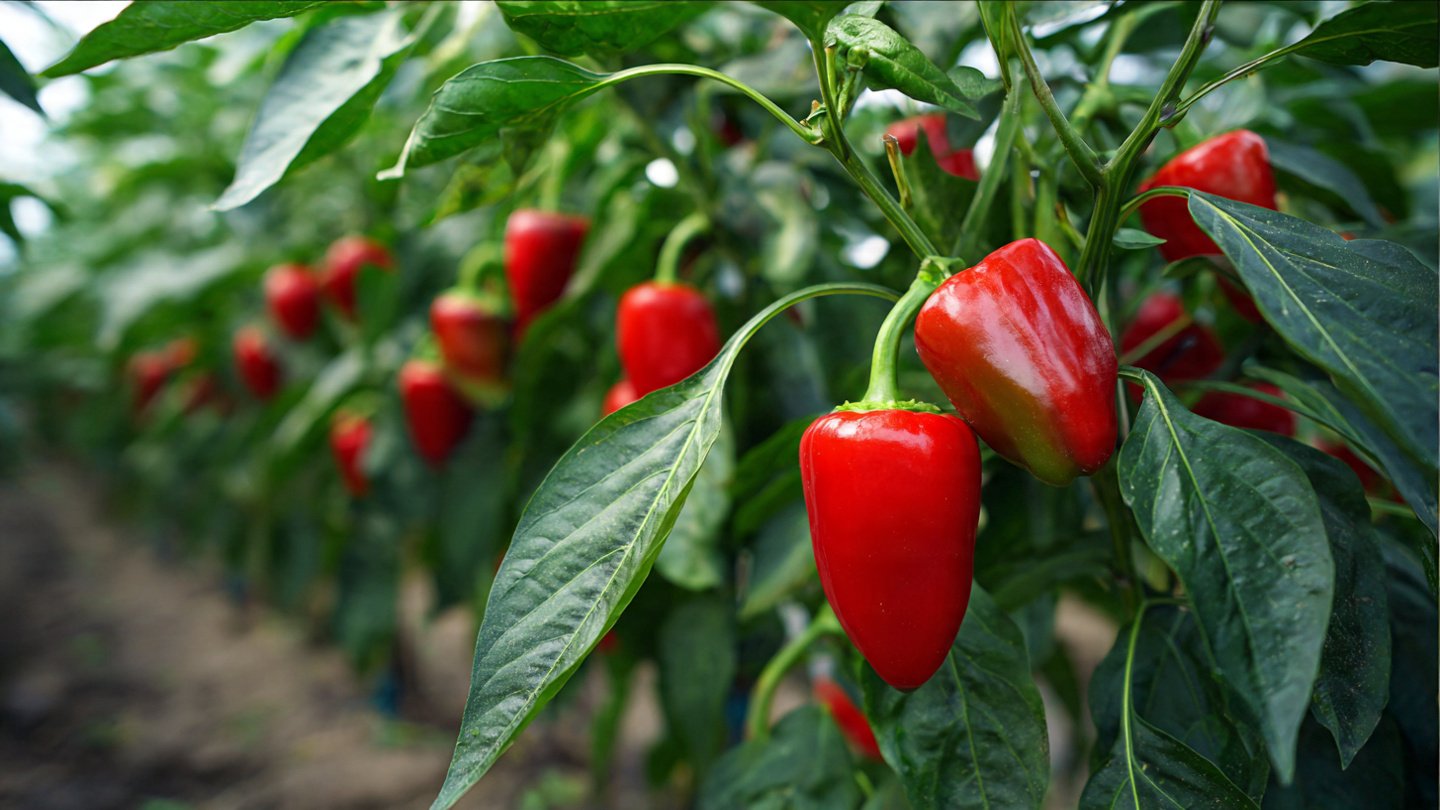
Growing peppers at home is a rewarding experience, whether you’re cultivating sweet bell peppers, fiery chili peppers, or exotic varieties. Nothing beats the taste of freshly picked, homegrown peppers, but for many gardeners, one challenge remains: speeding up growth and maximizing yield. Fortunately, with the right techniques, you can accelerate pepper growth and enjoy earlier, more abundant harvests. This guide provides proven tips and expert insights to help your pepper plants thrive faster than ever.
Understanding Pepper Plant Growth
Before diving into techniques, it’s essential to understand how pepper plants grow. Peppers are warm-season plants that require specific conditions to develop strong roots, healthy foliage, and plentiful fruit. Growth is influenced by:
- Temperature: Peppers grow best in daytime temperatures of 70–85°F (21–29°C) and nighttime temperatures above 60°F (16°C). Cold temperatures slow growth and delay fruiting.
- Sunlight: Peppers are sun-loving plants, requiring at least 6–8 hours of direct sunlight daily.
- Soil: Well-drained, nutrient-rich soil supports rapid growth and fruit production.
- Water: Consistent moisture is crucial, but overwatering can lead to root rot and slow growth.
Understanding these fundamentals allows gardeners to optimize conditions and accelerate pepper development.
1. Start Seeds Indoors Early
One of the most effective ways to grow peppers faster is to start seeds indoors 8–10 weeks before the last frost in your area. Starting seeds early gives plants a head start, allowing them to establish strong roots and mature more quickly once transplanted outdoors.
Tips for successful indoor seed starting:
- Use quality seed trays or pots with drainage holes.
- Choose a high-quality seed-starting mix, not garden soil, to prevent disease and improve germination.
- Maintain consistent warmth of 75–85°F (24–29°C) for optimal germination. Seedling heat mats can be particularly helpful.
- Provide adequate light using grow lights or sunny windows to prevent legginess and ensure strong stems.
Healthy, sturdy seedlings will grow faster and yield peppers earlier than plants started directly outdoors.
2. Harden Off Seedlings
Before moving pepper seedlings outdoors, it’s important to harden them off, a process that gradually exposes them to outdoor conditions. This reduces transplant shock, encourages stronger growth, and helps plants adapt to sun, wind, and fluctuating temperatures.
- Start by placing seedlings outside for a few hours in a sheltered spot.
- Gradually increase sunlight exposure and outdoor time over 7–10 days.
- Water plants lightly to keep roots moist during acclimation.
Hardened-off plants experience less stress, grow faster, and establish quickly in the garden.
3. Optimize Soil Conditions
Healthy soil is the foundation for rapid pepper growth. Consider these soil optimization tips:
- pH Level: Peppers prefer slightly acidic to neutral soil (pH 6.0–7.0). Test your soil and amend with lime or sulfur as needed.
- Organic Matter: Incorporate compost or well-rotted manure to improve nutrient content, moisture retention, and soil structure.
- Drainage: Peppers dislike waterlogged soil. Raised beds or mounded rows can help prevent standing water.
- Fertility: Use a balanced fertilizer with slightly higher phosphorus to encourage root development and early flowering. Avoid excess nitrogen, which encourages leafy growth at the expense of fruiting.
By creating a nutrient-rich, well-drained environment, pepper plants grow faster and produce fruit more reliably.
4. Use Mulch to Encourage Growth
Mulching provides multiple benefits for faster pepper growth:
- Moisture Retention: Mulch reduces water evaporation, keeping roots consistently moist.
- Temperature Regulation: Helps soil stay warm, which peppers love, especially during cooler nights.
- Weed Control: Reduces competition for nutrients and sunlight.
Organic mulches such as straw, shredded leaves, or grass clippings work well. Apply a 2–3 inch layer around the base of plants, keeping mulch a few inches from the stem to prevent rot.
5. Ensure Proper Spacing
Crowded plants compete for sunlight, water, and nutrients, slowing growth. Space pepper plants:
- 18–24 inches apart for smaller varieties.
- 24–36 inches apart for larger varieties.
Proper spacing allows for maximum airflow, sunlight penetration, and root expansion, all of which accelerate growth.
6. Water Consistently, But Don’t Overdo It
Peppers need consistent moisture to grow quickly, but overwatering can cause problems such as root rot or nutrient leaching. Tips for watering peppers effectively:
- Deep watering encourages strong root systems. Water at the base rather than overhead to reduce fungal issues.
- Monitor soil moisture by sticking your finger about 2 inches into the soil. If it feels dry, it’s time to water.
- Avoid water stress, as inconsistent watering can lead to blossom drop and slow fruit development.
Drip irrigation or soaker hoses are ideal for maintaining consistent moisture without overwatering.
7. Fertilize Strategically
While peppers need some nutrients, the timing and type of fertilizer can significantly impact growth speed:
- Early Growth: Use a balanced fertilizer (10-10-10) to support strong root and leaf development.
- Flowering and Fruiting: Switch to a fertilizer higher in phosphorus and potassium (5-10-10) to encourage flower and fruit set.
- Frequency: Fertilize every 3–4 weeks during the growing season. Avoid over-fertilizing, which can delay flowering.
Fertilization helps plants build energy for faster growth and earlier harvests.
8. Promote Pollination
Peppers require pollination to produce fruit. While some varieties are self-pollinating, encouraging pollination can speed up fruit set:
- Attract Pollinators: Plant flowers like marigolds, nasturtiums, or cosmos nearby to attract bees and butterflies.
- Hand Pollination: Gently tap or brush flowers to transfer pollen from male to female parts.
- Air Movement: Lightly shake plants or use a small fan if growing indoors to simulate wind and aid pollination.
Effective pollination ensures fruit develops quickly and reduces the risk of flower drop.
9. Prune for Faster Growth
Strategic pruning can help pepper plants focus energy on fruiting rather than excessive foliage:
- Remove weak or damaged leaves and side shoots that compete for resources.
- Pinch the tips of young plants to encourage bushier growth and more flowering sites.
- Avoid heavy pruning, which can stress the plant and slow growth temporarily.
Pruning improves airflow, reduces disease risk, and channels energy toward producing peppers faster.
10. Protect from Stress
Stress from pests, disease, extreme temperatures, or nutrient deficiency can slow pepper growth dramatically. Take steps to minimize stress:
- Use Row Covers: Protect plants from frost or heavy winds.
- Monitor for Pests: Watch for aphids, caterpillars, or beetles and treat organically if needed.
- Temperature Control: In very hot climates, provide shade during peak afternoon sun to prevent flower drop.
Healthy, stress-free plants grow faster and produce higher-quality peppers.
11. Harvest at the Right Time
Peppers grow quickly when cared for properly, but harvesting at the right time is essential to keep plants producing:
- Pick peppers as they reach their full size and color for your variety.
- Regular harvesting encourages the plant to produce more flowers and fruits.
- Avoid leaving overripe peppers on the plant, which can slow down new fruit development.
Frequent harvesting ensures continuous growth and maximizes yield.
Bonus Tips for Speedy Growth
- Companion Planting: Plant basil, onions, or carrots near peppers to improve growth and deter pests.
- Use Fertilizer Spikes: Slow-release fertilizer spikes can provide consistent nutrition for faster development.
- Container Growing: Peppers in pots with high-quality soil and optimal placement can grow faster than in poor garden soil.
By combining these practices, you can accelerate growth and enjoy earlier, abundant harvests of flavorful peppers.
Conclusion
Growing peppers faster requires a combination of early seed starting, optimal soil and sunlight, consistent watering, strategic fertilization, and stress management. By following these proven tips, gardeners can achieve strong, healthy plants and a bountiful harvest sooner than expected.
From indoor seed starting to proper pruning, pollination techniques, and regular harvesting, every step contributes to accelerated growth and improved yields. Whether you’re growing sweet, bell, or hot peppers, these strategies ensure your plants thrive and provide fresh, homegrown peppers throughout the season.
With attention, care, and the right techniques, your backyard pepper plants can flourish, producing more fruit, faster, and giving you the satisfaction of enjoying the freshest peppers straight from your garden.