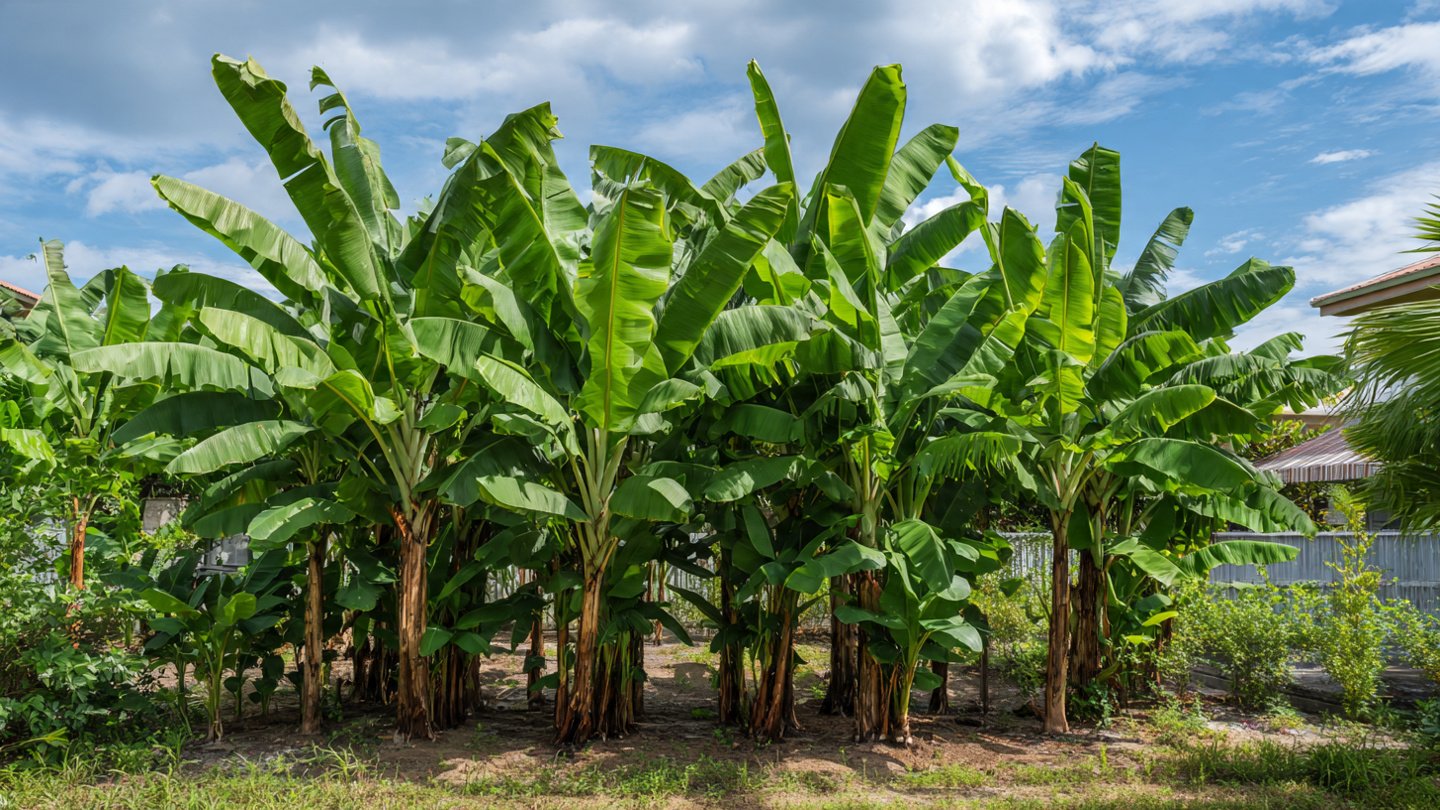
Ornamental banana plants are a stunning way to add bold, tropical drama to any garden. With their oversized leaves, fast growth, and clump-forming habit, these plants instantly create a lush, resort-style atmosphere—even in spaces far from the tropics. Unlike edible banana varieties, ornamental bananas are grown primarily for their foliage and architectural beauty, making them a favorite among landscape designers and home gardeners alike.
This ultimate guide will walk you through everything you need to know to successfully cultivate ornamental banana clumps—from choosing the right variety to planting, care, and long-term maintenance—so your garden stays vibrant and exotic year after year.
What Are Ornamental Banana Plants?
Ornamental bananas belong primarily to the Musa and Ensete genera. While some varieties may produce small or inedible fruit, they are prized for their striking leaves, colorful midribs, and dramatic clumping growth.
Popular ornamental banana varieties include:
- Musa basjoo (Hardy banana)
- Musa ornata (Pink flowering banana)
- Musa zebrina (Red-striped leaves)
- Ensete ventricosum ‘Maurelii’ (Red Abyssinian banana)
These plants grow from underground rhizomes, producing multiple shoots—or “pups”—that form attractive clumps over time.
Why Grow Ornamental Banana Clumps?
Growing bananas in clumps rather than as single specimens offers several benefits:
- Creates a full, lush appearance
- Provides wind protection for inner stalks
- Enhances privacy and shade
- Produces a strong tropical focal point
- Allows easy propagation from pups
Clumping bananas are ideal for garden borders, poolside planting, courtyards, and large containers.
Choosing the Right Location
Ornamental bananas thrive when planted in the right spot.
Sunlight Requirements
- Prefer full sun to partial shade
- At least 6–8 hours of sunlight daily
- In very hot climates, light afternoon shade helps prevent leaf scorch
Wind Protection
Banana leaves tear easily in strong winds. Choose a location:
- Near a wall, fence, or hedge
- Sheltered from constant gusts
Soil Preparation for Healthy Clumps
Healthy soil is the foundation of lush banana growth.
Ideal Soil Conditions
- Rich, loamy, well-draining soil
- Slightly acidic to neutral pH (5.5–7.0)
- High organic matter content
Soil Preparation Tips
- Mix compost, aged manure, or leaf mold into the planting area
- Ensure good drainage to prevent root rot
- Raised beds work well in heavy clay soils
Bananas are heavy feeders, so nutrient-rich soil is essential.
Planting Ornamental Banana Clumps
When to Plant
- Spring is ideal once frost danger has passed
- In warm climates, planting can be done year-round
How to Plant
- Dig a hole twice as wide and slightly deeper than the root ball.
- Place the banana plant so the rhizome sits just below soil level.
- Backfill with enriched soil and press gently.
- Water deeply after planting.
- Apply mulch around the base to retain moisture.
Spacing
- Space plants 4–6 feet apart
- Allow room for pups to emerge and form natural clumps
Watering for Lush Growth
Bananas are moisture-loving plants.
Watering Guidelines
- Water deeply and consistently
- Keep soil evenly moist, not soggy
- During hot weather, water 2–3 times per week
Signs of Water Stress
- Curling leaves → underwatering
- Yellowing leaves → overwatering or poor drainage
Mulching helps reduce water loss and keeps roots cool.
Fertilizing for Maximum Impact
Ornamental bananas grow quickly and require regular feeding.
Best Fertilizers
- Balanced fertilizer (10-10-10 or similar)
- High-nitrogen formulas for leaf growth
- Organic options like compost tea or fish emulsion
Fertilizing Schedule
- Every 2–4 weeks during active growth
- Reduce feeding in cooler months
Proper nutrition results in larger leaves, stronger stalks, and richer color.
Managing Banana Pups and Clump Control
Banana clumps expand as pups grow from the base.
Why Manage Pups?
- Prevent overcrowding
- Improve airflow
- Focus energy on healthy stalks
How to Thin Pups
- Keep 3–5 strong stems per clump
- Remove weak or excess pups using a sharp spade
- Transplant removed pups to new locations
This practice keeps clumps vigorous and visually appealing.
Pruning and Maintenance
Ornamental bananas are low-maintenance but benefit from light care.
Pruning Tips
- Remove yellow or damaged leaves regularly
- Cut leaves close to the pseudostem
- Remove spent flower stalks if desired
Pruning improves appearance and reduces pest issues.
Cold Climate Care and Overwintering
Some ornamental bananas are surprisingly cold-tolerant.
Hardy Varieties
- Musa basjoo can survive freezing temperatures with protection
Winter Protection Tips
- Cut back leaves after frost
- Mulch heavily around the base (12–18 inches)
- In severe cold, wrap stems with burlap or straw
For container-grown bananas, move pots indoors or into a greenhouse during winter.
Growing Ornamental Bananas in Containers
Bananas adapt well to large containers.
Container Requirements
- Large pot with drainage holes
- Rich, moisture-retentive potting mix
- Regular watering and feeding
Container bananas are ideal for patios, balconies, and small gardens.
Common Problems and Solutions
Pests
- Aphids, spider mites, and mealybugs
- Treat with neem oil or insecticidal soap
Diseases
- Root rot from overwatering
- Leaf spots due to poor airflow
Good drainage, proper spacing, and cleanliness prevent most issues.
Design Ideas for Ornamental Banana Clumps
- Tropical borders with hibiscus and cannas
- Poolside landscaping
- Privacy screens
- Accent plants in modern gardens
- Mixed with palms and ornamental grasses
Their dramatic foliage pairs beautifully with both colorful flowers and minimalist designs.
Final Thoughts
Cultivating ornamental banana clumps is one of the most rewarding ways to transform an ordinary garden into a lush, tropical retreat. With proper soil preparation, consistent watering, regular feeding, and basic maintenance, these fast-growing plants deliver unmatched visual impact.
Whether grown in the ground or in containers, ornamental bananas bring movement, texture, and bold beauty to your outdoor space. By following the strategies in this guide, you’ll enjoy healthy, thriving banana clumps that make your garden feel vibrant, exotic, and alive all year long.