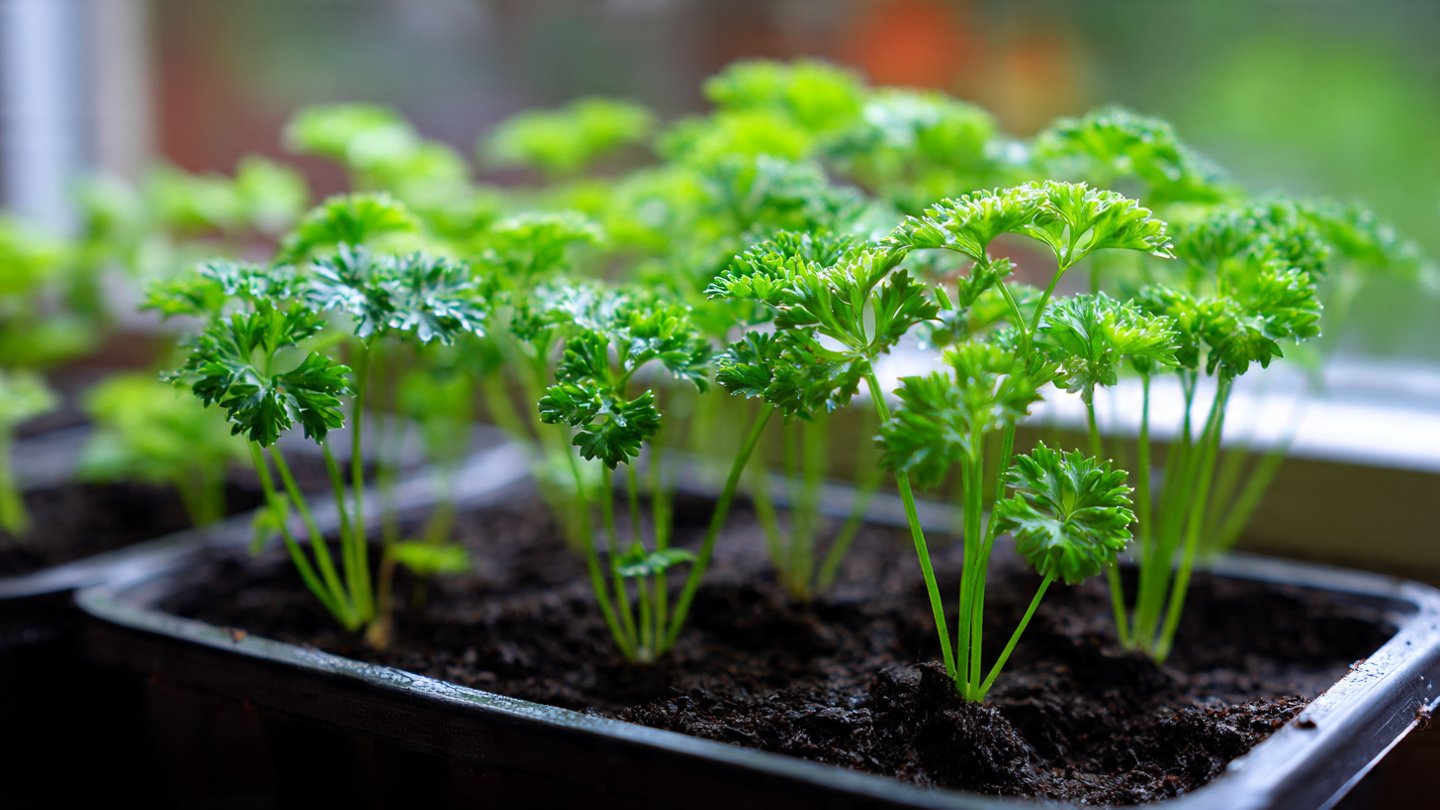
Parsley (Petroselinum crispum) is a versatile and nutrient-packed herb commonly used in cooking, garnishing, and even medicinal preparations. Known for its fresh, bright flavor, parsley is a staple in kitchens worldwide. However, many gardeners hesitate to grow parsley from seeds because parsley germination can be slow and unpredictable. With the right approach, you can achieve effortless germination and enjoy a steady supply of homegrown parsley throughout the year.
This guide provides simple, practical steps for germinating parsley seeds at home, covering seed selection, soaking techniques, soil preparation, planting, care, and troubleshooting common germination challenges.
Understanding Parsley Seed Germination
Parsley seeds are known for being slow to germinate, typically taking 2–6 weeks depending on environmental conditions. Understanding the reasons behind slow germination helps you optimize success:
- Hard Seed Coat: Parsley seeds have a tough outer layer that can delay sprouting.
- Temperature Sensitivity: Seeds germinate best in moderate temperatures, ideally between 18–22°C (65–72°F).
- Moisture Requirements: Parsley seeds need consistently moist soil but cannot tolerate waterlogging.
Knowing these factors allows you to adopt strategies that speed up germination and improve seedling health.
Step 1: Selecting Quality Parsley Seeds
Success begins with selecting high-quality seeds:
- Choose Fresh Seeds: Seeds older than 1–2 years may have reduced germination rates.
- Varieties: Select varieties suitable for your region or culinary preference:
- Curly Leaf Parsley (Petroselinum crispum var. crispum) – Decorative and ideal for garnishing.
- Flat-Leaf Parsley (Petroselinum crispum var. neapolitanum) – Preferred for cooking due to stronger flavor.
- Seed Source: Purchase from reputable nurseries or seed suppliers for consistent quality.
Using fresh, high-quality seeds significantly increases the chances of effortless germination.
Step 2: Pre-Soaking Seeds for Faster Germination
Pre-soaking parsley seeds softens the hard seed coat, speeding up germination:
- Soak Seeds in Warm Water: Place seeds in a bowl of lukewarm water for 12–24 hours before planting.
- Drain Properly: Ensure seeds are not left in standing water for longer than 24 hours to prevent mold or rot.
- Optional Scarification: Gently nick the seed coat with a file or sandpaper to improve water absorption.
Pre-soaking improves water penetration and triggers the germination process.
Step 3: Preparing the Soil
Parsley requires nutrient-rich, well-draining soil for healthy seedling growth:
- Soil Mix: Combine garden soil, compost, and fine sand or perlite for aeration.
- pH Preference: Parsley thrives in slightly acidic to neutral soil (pH 6.0–7.0).
- Moisture Retention: The soil should be light and able to retain some moisture without becoming soggy.
Well-prepared soil ensures that seeds get adequate nutrients and water for consistent germination.
Step 4: Choosing the Right Container
Parsley seeds can be started in various containers, making home germination simple:
- Seed Trays: Ideal for multiple seedlings; ensures uniform moisture and spacing.
- Small Pots or Cups: Convenient for indoor gardening and transplanting.
- Drainage: Always use containers with drainage holes to prevent waterlogging.
Proper containers promote root health and reduce the risk of damping-off disease.
Step 5: Planting Parsley Seeds
Follow these simple planting steps for successful germination:
- Sow Seeds Shallowly: Place seeds ¼ inch deep in the soil. Parsley seeds need light to germinate, so avoid burying them too deep.
- Spacing: If sowing in trays, maintain 1–2 inches between seeds for healthy growth.
- Cover Lightly: Gently cover seeds with a thin layer of soil or vermiculite.
- Water Gently: Mist the soil with a spray bottle to avoid displacing seeds.
Correct planting depth and gentle watering are key to ensuring seeds sprout efficiently.
Step 6: Maintaining Ideal Germination Conditions
Parsley seeds require the right environment to sprout successfully:
- Temperature: Keep the soil temperature between 18–22°C (65–72°F).
- Moisture: Soil should remain consistently moist but not waterlogged. Use a spray bottle to mist daily.
- Humidity: Cover the container with a plastic dome or wrap to retain humidity. Remove daily to prevent mold.
- Light: Parsley seeds do not require direct light for germination, but once seedlings appear, place them in bright, indirect sunlight.
Maintaining stable conditions prevents common germination issues like seed rot or delayed sprouting.
Step 7: Thinning Seedlings
Once parsley seedlings emerge, thinning ensures robust growth:
- Thin to 2–3 Inches Apart: Gently snip weaker seedlings at soil level to avoid disturbing roots.
- Healthy Growth: Thinning allows the remaining plants to access more nutrients, water, and light.
- Transplanting Option: For indoor seedlings, thin and transplant extra seedlings into new pots to grow more parsley.
Proper thinning improves overall plant health and encourages stronger, larger leaves.
Step 8: Transplanting Seedlings
When seedlings reach 2–3 inches tall with true leaves, they can be transplanted:
- Hardening Off: Gradually acclimate seedlings to outdoor conditions over 7–10 days if planting in a garden.
- Spacing in Garden Beds: Space plants 6–8 inches apart for bushy growth.
- Container Transplanting: Choose pots with 6–8 inch diameter and drainage holes.
- Water After Transplant: Keep soil moist for the first week to reduce transplant shock.
Transplanting strengthens root systems and ensures continuous healthy growth.
Step 9: Care for Continuous Leaf Production
Parsley thrives with minimal but consistent care:
- Watering: Keep soil evenly moist; parsley does not tolerate drought.
- Sunlight: Ensure 4–6 hours of sunlight daily for robust leaf growth.
- Fertilization: Use a balanced, water-soluble fertilizer every 3–4 weeks to promote lush foliage.
- Harvesting: Harvest leaves regularly by cutting outer stems near the base. Frequent harvesting encourages new growth.
Following these care practices ensures a steady supply of fresh parsley throughout the growing season.
Step 10: Troubleshooting Germination Challenges
Even with proper care, parsley seeds may sometimes be slow or fail to germinate:
- Slow Germination: Often due to old seeds or low soil temperature; pre-soaking helps.
- Mold Growth: Caused by excessive moisture or poor air circulation; remove cover daily to allow ventilation.
- Weak Seedlings: May indicate insufficient light or overcrowding; thin seedlings or move to brighter location.
- Seed Rot: Overwatering or waterlogged soil; ensure proper drainage.
Addressing these issues promptly ensures higher germination success and healthier plants.
Additional Tips for Effortless Home Germination
- Use Fresh, High-Quality Seeds – Ensures higher germination rates.
- Pre-Soak Seeds – Speeds up the sprouting process.
- Maintain Consistent Moisture – Avoid soil drying or waterlogging.
- Provide Adequate Light After Sprouting – Strong light prevents leggy seedlings.
- Regular Harvesting – Encourages bushy growth and continuous leaf production.
- Grow in Containers or Garden Beds – Flexibility for indoor and outdoor gardening.
Following these simple steps makes parsley germination at home effortless and highly rewarding.
Benefits of Growing Parsley at Home
- Fresh Flavor: Enhances soups, salads, and garnishes with vibrant, fresh taste.
- Nutritional Value: Rich in vitamins A, C, and K, and antioxidants.
- Continuous Harvest: Proper care ensures leaves throughout the growing season.
- Cost-Effective: Reduces trips to the store for fresh herbs.
- Gardening Satisfaction: Easy, rewarding herb for beginner and experienced gardeners alike.
Homegrown parsley offers both culinary and health benefits, making the effort to germinate seeds worthwhile.
Conclusion
Growing parsley from seeds at home may seem challenging due to its slow germination, but with the right approach, it becomes effortless. By selecting quality seeds, pre-soaking to soften the hard seed coat, preparing nutrient-rich soil, planting shallowly, and maintaining proper moisture and temperature, gardeners can achieve strong, healthy seedlings. Regular care, thinning, transplanting, and harvesting ensures a continuous supply of fresh, flavorful parsley throughout the season.
Whether grown in containers on a windowsill, indoors under grow lights, or in garden beds, parsley is a versatile herb that rewards patient gardeners with vibrant foliage, health benefits, and enhanced culinary experiences. By following these simple, practical steps, anyone can enjoy successfully germinated parsley seeds at home and a flourishing herb garden all year round.