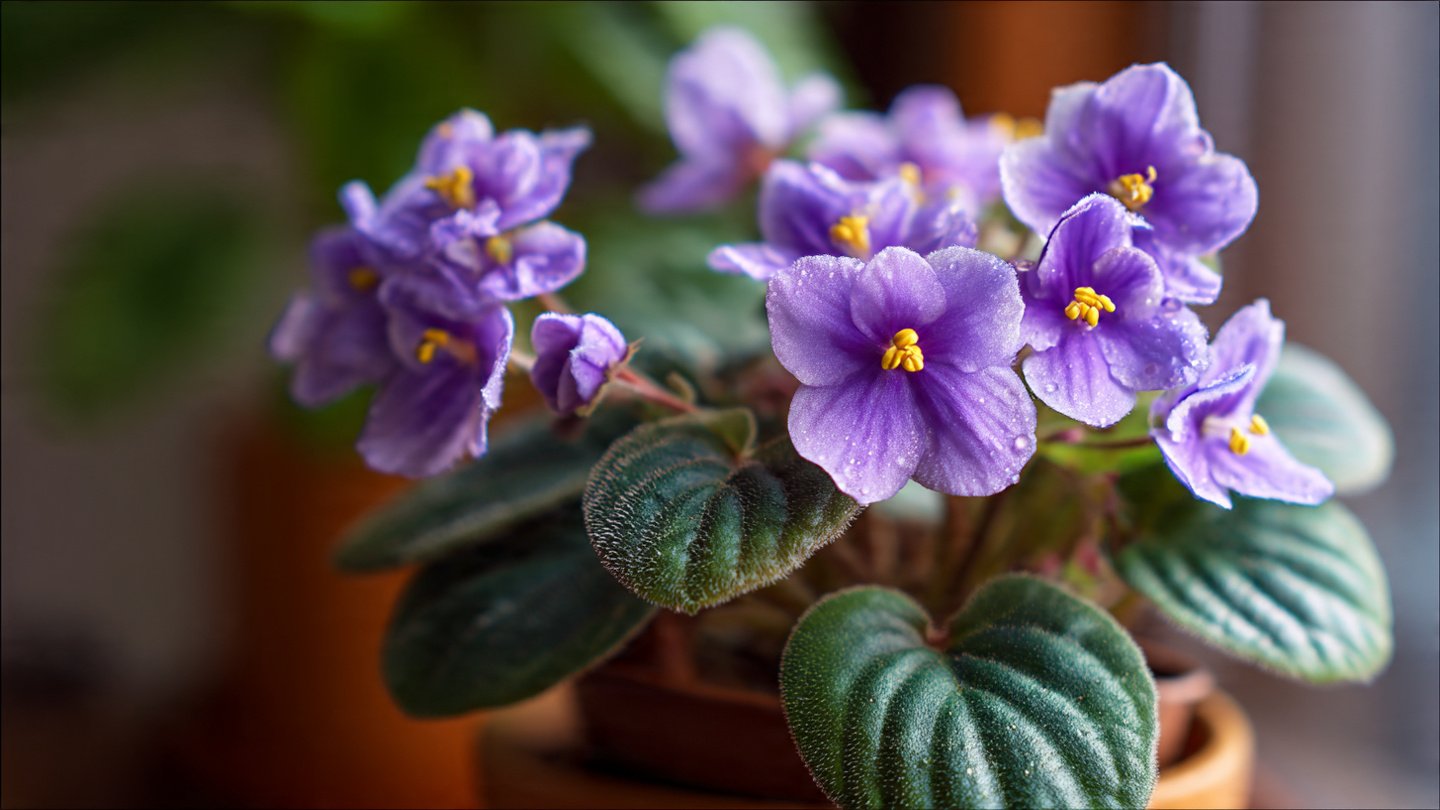
Mini African violets (Saintpaulia spp.) are some of the most charming and rewarding houseplants for both beginners and experienced gardeners. Known for their small size, delicate flowers, and velvety foliage, mini African violets bring a touch of elegance to any indoor space. Despite their reputation for being finicky, these little beauties are surprisingly easy to grow with minimal effort, making them perfect for tabletops, windowsills, and compact gardens.
This ultimate guide will take you step-by-step through everything you need to know to grow vibrant mini African violets at home, including care, propagation, flowering tips, and common mistakes to avoid.
Why Grow Mini African Violets
Mini African violets have a host of advantages that make them ideal for indoor gardening:
- Compact Size: Perfect for apartments, offices, and small spaces.
- Long Blooming Period: With proper care, they can bloom year-round.
- Variety: Available in many colors, patterns, and leaf shapes.
- Air Purifying: Like other houseplants, they improve indoor air quality.
- Low Maintenance: Once the right conditions are provided, they thrive with minimal effort.
Their small size and continuous blooms make them ideal for those looking to add a touch of color and greenery indoors without extensive gardening work.
Selecting the Right Mini African Violet
To ensure success, it’s essential to choose healthy plants or varieties suitable for your indoor environment:
- Leaf Health: Look for rich green, velvety leaves with no signs of yellowing, spots, or pests.
- Flower Buds: Select plants with developing buds; this indicates the plant is actively growing and ready to bloom.
- Compact Varieties: Mini and semi-mini varieties are easier to maintain in small pots and indoor spaces.
- Reputable Source: Purchase from trusted nurseries or online stores to ensure disease-free, strong plants.
Selecting healthy plants lays the foundation for vibrant, long-lasting blooms.
Ideal Growing Conditions
Mini African violets thrive when light, temperature, humidity, and soil are optimized:
1. Light
- Provide bright, indirect light. Direct sunlight can scorch leaves, while too little light reduces flowering.
- South or east-facing windows are ideal.
- If natural light is insufficient, supplement with fluorescent or LED grow lights for 12–14 hours daily.
2. Temperature
- Maintain temperatures between 65–75°F (18–24°C).
- Avoid placing them near cold drafts, radiators, or air conditioners.
- Night temperatures below 60°F may slow growth and flowering.
3. Humidity
- African violets prefer moderate humidity (50–60%).
- Increase humidity by placing the pot on a tray with water and pebbles or using a small indoor humidifier.
4. Soil
- Use light, well-draining potting mix specifically formulated for African violets.
- A good mix contains peat moss, perlite, and vermiculite.
- Avoid garden soil, as it is often too heavy and retains excess moisture.
Providing the right environment allows mini African violets to thrive with minimal intervention, ensuring consistent blooms and healthy foliage.
Choosing the Right Pot
The right pot plays a crucial role in preventing root rot and promoting healthy growth:
- Size: Use small pots (2–4 inches) for mini varieties. Smaller pots encourage blooming.
- Material: Plastic or ceramic pots with drainage holes are ideal.
- Potting Tips: Fill the pot with soil up to ½ inch from the rim. Compact lightly without pressing too hard.
Using the correct pot and soil mix ensures optimal root health and steady growth.
Watering Mini African Violets
Watering correctly is critical for maintaining vibrant foliage and flowers:
- Bottom Watering: Place water in a saucer under the pot; let the plant absorb moisture from the bottom. This prevents water spots on leaves, which can damage the plant.
- Frequency: Water when the topsoil feels slightly dry. Avoid overwatering to prevent root rot.
- Water Quality: Use room-temperature, non-chlorinated water if possible. Rainwater or filtered water works best.
Consistent, careful watering promotes healthy roots and lush blooms.
Fertilization
Mini African violets benefit from regular feeding for continuous blooms:
- Use a balanced, water-soluble fertilizer specially formulated for African violets.
- Fertilize every 4–6 weeks during active growth.
- Avoid excessive nitrogen, which encourages leaf growth at the expense of flowers.
- Organic options like worm tea or diluted compost extract also work well for low-maintenance care.
Proper fertilization ensures vibrant foliage, healthy roots, and prolific blooms.
Pruning and Grooming
Pruning keeps mini African violets tidy and encourages more flowers:
- Remove yellow or damaged leaves regularly.
- Pinch off spent flowers to stimulate new bud formation.
- Avoid cutting healthy leaves unnecessarily, as they are essential for photosynthesis and energy production.
Regular grooming results in compact, attractive plants with longer blooming periods.
Propagation Techniques
Propagating mini African violets is simple and allows you to expand your collection effortlessly:
1. Leaf Cuttings
- Choose a healthy leaf with a short petiole (1–2 inches).
- Insert the leaf petiole into moist African violet soil or a small glass of water.
- Roots develop within 3–4 weeks, followed by new plantlets forming at the base.
2. Division
- For plants with multiple crowns, gently divide them into smaller sections.
- Repot each section into a fresh container to encourage independent growth.
Propagation is straightforward, allowing you to multiply your mini African violets without buying new plants.
Common Mistakes to Avoid
To ensure minimal effort yields maximum results, avoid these common pitfalls:
- Overwatering: Leads to root rot and leaf yellowing.
- Direct Sunlight: Can scorch leaves, causing permanent damage.
- Neglecting Fertilizer: Poor nutrition reduces blooming.
- Using Heavy Soil: Prevents proper drainage, leading to unhealthy roots.
- Ignoring Humidity: Low humidity can slow growth and cause leaf edges to brown.
Being aware of these mistakes allows you to care for mini African violets effortlessly and maintain consistent blooms.
Tips for Year-Round Success
- Rotate pots periodically to ensure even light exposure.
- Keep leaves dry when watering to prevent fungal infections.
- Maintain a consistent indoor environment; sudden temperature or light changes can stress the plant.
- Regularly inspect for pests like mealybugs and spider mites.
- Use bottom watering and proper drainage to minimize maintenance.
Following these tips allows even novice gardeners to grow thriving, flowering mini African violets with minimal effort.
Decorating with Mini African Violets
Mini African violets can enhance any indoor or outdoor space:
- Windowsills: Add color and charm to natural light areas.
- Terrariums or Glass Bowls: Create a miniature garden display.
- Table Centerpieces: Perfect for living room or dining table decor.
- Gifting: Flowering mini African violets make excellent gifts due to their beauty and compact size.
Their small size, vibrant blooms, and elegant leaves make them versatile decorative plants.
Benefits of Growing Mini African Violets
- Aesthetic Value: Adds color, texture, and greenery to indoor spaces.
- Stress Relief: Gardening and caring for plants improves mental well-being.
- Compact and Flexible: Ideal for apartments, offices, and small spaces.
- Cost-Effective: Easy propagation means you can grow multiple plants from one.
- Continuous Blooming: With proper care, flowers appear almost year-round.
Mini African violets are not only visually appealing but also bring wellness and joy to your home environment.
Conclusion
Growing mini African violets at home is both rewarding and surprisingly easy. With the right plant selection, light, watering, soil, and fertilization practices, these small, charming plants can flourish with minimal effort, producing vibrant flowers and lush foliage year-round.
By following simple propagation techniques like leaf cuttings or division, you can expand your collection, share plants with friends, or create a mini indoor violet garden. Proper care—including pruning, humidity management, and pest control—ensures your mini African violets remain healthy, compact, and continually blooming.
Whether for decoration, gifting, or personal enjoyment, mini African violets are ideal indoor companions, bringing color, beauty, and a touch of elegance to any home. With this ultimate guide, you can confidently grow and maintain thriving mini African violets with minimal effort, transforming your indoor space into a blooming, vibrant haven.