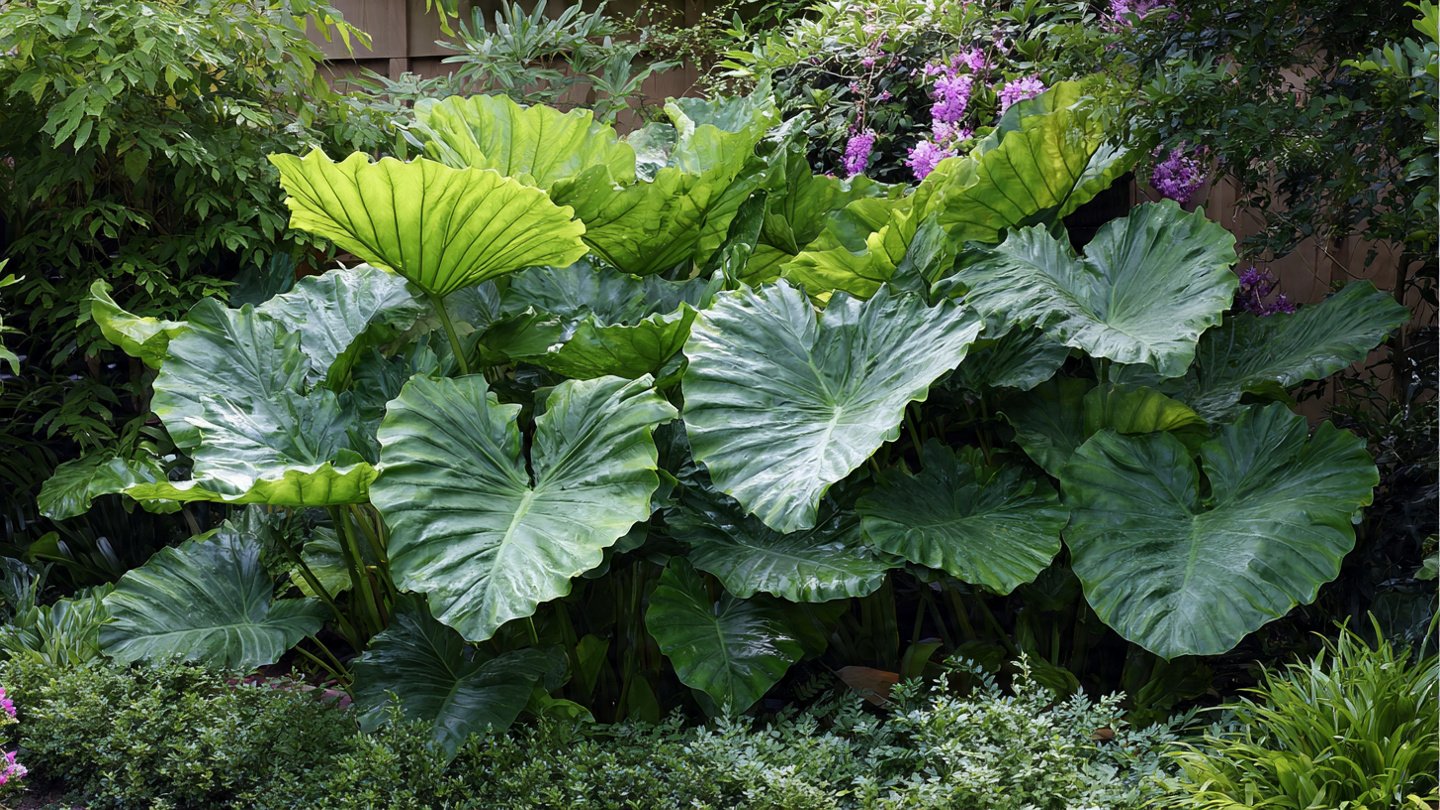
If you want to create a dramatic, tropical look in your garden or home landscape, elephant ear plants are an excellent choice. Known for their large, bold leaves and striking presence, these plants instantly transform any space into a lush, eye-catching oasis. With proper care, elephant ears (genus Colocasia, Alocasia, or Xanthosoma) can thrive in containers, garden beds, and water features, giving your landscape a tropical and sophisticated appeal. This guide will walk you through everything you need to know to grow elephant ear plants successfully and create a bold leaf landscape.
Understanding Elephant Ear Plants
Elephant ear plants are named for their oversized, heart-shaped leaves, which can reach up to 3–6 feet long in ideal conditions. They are tropical or subtropical perennials, often grown as annuals in colder climates or overwintered indoors. Key features include:
- Leaf shapes: Heart-shaped, arrow-shaped, or shield-shaped depending on the variety.
- Colors: Ranging from deep green to variegated patterns, bronze, or even black shades.
- Growth habit: Tuberous or rhizomatous, spreading slowly to form a dense foliage cluster.
- Preferred conditions: Warm temperatures (above 60°F/16°C), high humidity, and moist soil.
Popular varieties include:
- Colocasia esculenta ‘Black Magic’ – deep purple-black leaves.
- Alocasia ‘Polly’ – compact, arrow-shaped leaves with striking veining.
- Xanthosoma ‘Lime Zinger’ – bright chartreuse foliage.
Understanding these characteristics helps you choose the right variety for your space and climate.
Choosing the Right Location
Elephant ear plants thrive in locations that mimic tropical conditions:
- Sunlight:
- Most elephant ears prefer partial shade; some varieties tolerate full sun if soil is kept consistently moist.
- Variegated varieties often need bright indirect light to maintain their color.
- Soil:
- Rich, well-draining soil is ideal.
- Incorporate organic matter like compost or coconut coir to enhance fertility and moisture retention.
- Soil pH should be slightly acidic to neutral (6.0–7.0).
- Space:
- Elephant ears spread horizontally via tubers or rhizomes.
- Provide 3–5 feet of space per plant for large varieties to allow the foliage to shine without overcrowding.
Choosing the right location ensures healthy growth, lush leaves, and vibrant colors.
Planting Elephant Ear Plants
Planting elephant ears correctly sets the foundation for a bold, eye-catching landscape:
1. Using Tuber or Rhizome
- Plant tubers 2–4 inches deep with the growing tip facing upward.
- Space tubers 3–5 feet apart depending on the variety.
- Cover with soil and water thoroughly to settle the roots.
2. Container Planting
- Choose large pots (15–20 inches or larger) to accommodate growth.
- Ensure containers have drainage holes to prevent root rot.
- Use a high-quality potting mix enriched with compost or slow-release fertilizer.
3. Watering After Planting
- Water generously after planting to stimulate root growth.
- Keep soil consistently moist during the first few weeks until tubers are established.
Proper planting ensures elephant ear plants grow strong, upright leaves that make a bold visual statement.
Caring for Elephant Ear Plants
Once planted, elephant ear plants need consistent care to thrive:
1. Watering
- Elephant ears prefer moist, not soggy soil.
- Water deeply 2–3 times per week, adjusting frequency during hot, dry periods.
- Mulching around the base retains moisture and moderates soil temperature.
2. Fertilizing
- Feed with balanced, slow-release fertilizer (10:10:10) every 4–6 weeks during the growing season.
- For faster, larger leaf growth, apply liquid fertilizer or compost tea every 2–3 weeks.
- Fertilization encourages robust foliage and bold colors.
3. Humidity and Temperature
- Elephant ears love high humidity (60–80%).
- In dry climates, mist leaves occasionally or group plants together to increase ambient humidity.
- Protect plants from temperatures below 50°F (10°C) or frost; bring containers indoors in colder regions.
4. Pruning and Maintenance
- Remove yellow, damaged, or dying leaves to maintain appearance.
- Cut leaves at the base using clean scissors to prevent disease spread.
- Regular pruning encourages healthy new growth and prevents overcrowding.
5. Pests and Diseases
- Common pests include aphids, spider mites, and mealybugs; spray with neem oil or insecticidal soap if needed.
- Avoid overwatering, which can lead to root rot or fungal infections.
- Maintain good air circulation to prevent fungal leaf spots.
Proper care ensures elephant ear plants remain lush, healthy, and visually striking throughout the season.
Propagating Elephant Ear Plants
Propagation allows you to expand your bold leaf landscape:
1. Division
- During early spring or late fall, lift mature tubers carefully.
- Separate tubers or rhizomes with at least one growing tip each.
- Replant in fresh soil or containers, water well, and mulch.
2. Stem Cuttings (Alocasia varieties)
- Take healthy stem cuttings with nodes intact.
- Place in water or moist soil to encourage rooting.
- Once roots develop, transplant into a larger pot or garden bed.
Propagation ensures you can create multiple statement plants from a single mature specimen.
Designing a Bold Leaf Landscape
Elephant ear plants make a dramatic focal point in any landscape:
- Accent Plant: Place a single large tuber at the center of a garden bed to create a tropical focal point.
- Borders: Use medium-sized varieties along garden edges to frame paths or water features.
- Containers: Large pots near patios, entryways, or decks add height and lush greenery.
- Group Planting: Combine different colors and shapes (green, bronze, black) for a dynamic tropical effect.
- Mixed Beds: Pair with other tropical plants like Canna lilies, caladiums, or ferns for layered texture and color.
By strategically placing elephant ears, you can maximize their visual impact while creating a lush, tropical landscape.
Seasonal Care and Wintering
In temperate climates, elephant ear plants may not survive frost:
- In-ground plants: Lift tubers in fall before the first frost.
- Container plants: Bring indoors to a bright, cool room (55–60°F / 13–16°C).
- Store tubers in peat moss or dry soil in a cool, dark location.
- Replant in spring once temperatures warm up.
With proper wintering, elephant ear plants can return year after year, maintaining your bold leaf landscape.
Harvesting and Leaf Use
While elephant ears are primarily ornamental, some species are edible when cooked (Colocasia):
- Young leaves and stems can be cooked and eaten, but must be boiled to remove calcium oxalate crystals.
- Leaves can also be used as natural decoration or shade in garden design.
- Regularly removing older leaves encourages fresh, upright growth.
Harvesting leaves carefully supports both aesthetic appeal and plant health.
Common Mistakes to Avoid
- Overcrowding plants: Elephant ears need space; planting too close reduces leaf size and airflow.
- Underwatering: Dry soil slows growth and causes leaves to droop.
- Ignoring fertilization: Large leaves require high nutrients for optimal growth.
- Exposing to frost: Cold temperatures can kill the plant; always protect tubers or bring containers indoors.
- Neglecting pruning: Dead leaves left on the plant can harbor pests or disease.
Avoiding these mistakes ensures your elephant ear plants remain bold, healthy, and productive.
Conclusion
Elephant ear plants are a must-have for gardeners seeking a dramatic, tropical landscape. Their oversized, bold leaves command attention, making them perfect as accent plants, in borders, or in containers. With proper planting, care, pruning, and seasonal management, these plants can transform your garden into a lush, eye-catching retreat.
Key takeaways:
- Choose the right variety for your climate and garden size.
- Plant in rich, well-draining soil with adequate spacing.
- Provide consistent moisture, fertilization, and humidity for bold leaf growth.
- Prune damaged or dying leaves to encourage healthy new growth.
- Protect tubers from frost in colder climates to ensure year-after-year growth.
- Use elephant ears strategically in the landscape for maximum visual impact.
By following these essential tips, you can grow elephant ear plants successfully, creating a bold leaf landscape that is sure to capture attention and elevate your garden design.