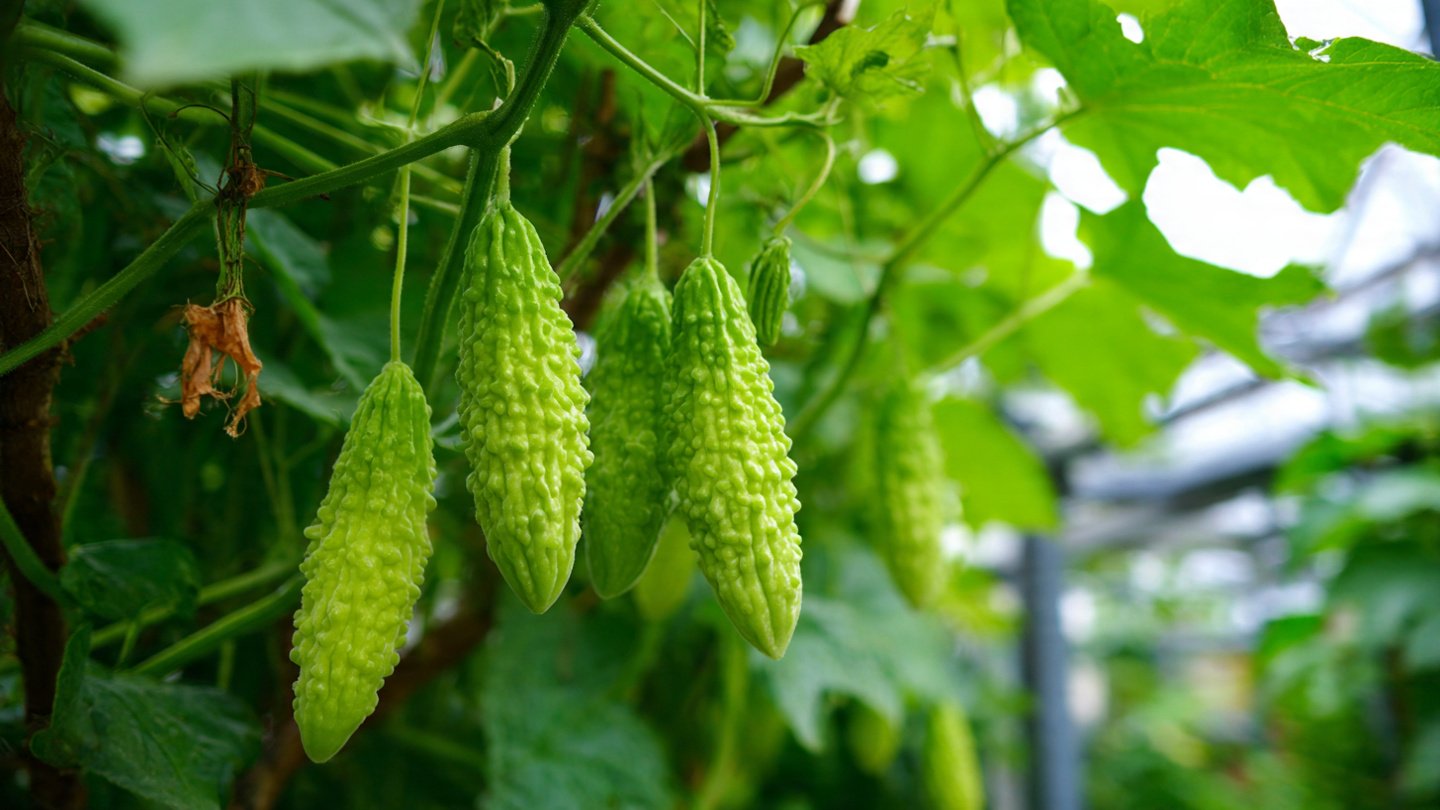
Bitter gourd (Momordica charantia), also known as bitter melon or karela, is a tropical and subtropical vine widely celebrated for its health benefits and culinary uses. Rich in vitamins, minerals, and antioxidants, bitter gourd is known to support blood sugar management, improve digestion, and strengthen immunity. Despite its slightly bitter taste, it is a favorite in many Asian cuisines.
Growing bitter gourd in your backyard garden can be incredibly rewarding, especially when you focus on high-yield techniques. With proper care, spacing, and pruning strategies, you can enjoy an abundant harvest that keeps your family stocked with fresh, nutrient-rich vegetables all season long. This guide will walk you through simple techniques to grow high-yield bitter gourd in your backyard garden successfully.
Why Grow Bitter Gourd in Your Backyard
Before diving into cultivation techniques, let’s understand why backyard bitter gourd cultivation is worthwhile:
- Freshness and Flavor: Homegrown bitter gourd is fresher, more flavorful, and less bitter than store-bought ones.
- Chemical-Free: You control fertilizers and pesticides, ensuring a healthier harvest.
- Cost-Effective: One plant can produce multiple fruits throughout the season.
- Health Benefits: Consuming fresh bitter gourd supports blood sugar control, aids digestion, and boosts immunity.
- Educational and Rewarding: Growing your own vegetables is a fun and educational activity for the whole family.
Step 1: Choosing the Right Variety
Selecting a high-yielding variety suited to your climate is key:
- Local Adapted Varieties: Varieties that grow well in your region will have better fruiting potential.
- Popular High-Yield Varieties: ‘Pusa Do Mausami’, ‘Arka Harit’, and ‘Karela Long’ are known for consistent fruiting and large yields.
- Disease Resistance: Choose varieties resistant to powdery mildew and mosaic virus to reduce crop loss.
Choosing the right variety ensures healthy plants and high production.
Step 2: Preparing the Soil
Bitter gourd thrives in well-drained, fertile soil:
- Soil Type: Loamy soil rich in organic matter is ideal. Sandy-loam soils with good drainage work best.
- pH Level: Bitter gourd prefers slightly acidic to neutral soil (pH 6.0–7.0).
- Preparation:
- Loosen the soil to a depth of 12 inches.
- Mix in compost or well-rotted manure to enhance fertility.
- Remove weeds, stones, and debris to ensure proper root growth.
Healthy soil lays the foundation for high-yield bitter gourd plants.
Step 3: Seed Selection and Sowing
Bitter gourd seeds can be directly sown in the garden or raised in nursery trays:
- Direct Sowing: Soak seeds overnight to improve germination, then plant them ½–1 inch deep in prepared soil.
- Nursery Method: Start seeds in seedling trays or small pots. Transplant seedlings after 3–4 weeks when they have 2–3 true leaves.
- Spacing: Provide 2–3 feet between plants and 4–5 feet between rows to ensure adequate sunlight and airflow.
Proper seed selection and spacing are crucial for strong growth and maximum fruit production.
Step 4: Supporting the Vines
Bitter gourd is a climbing vine that benefits greatly from trellising:
- Trellis Construction: Use bamboo sticks, wooden poles, or wire mesh to create a sturdy vertical support.
- Training the Vines: Gently tie young shoots to the trellis using soft twine.
- Benefits of Trellising:
- Maximizes sunlight exposure.
- Reduces fungal diseases by keeping leaves and fruits off the ground.
- Makes harvesting easier and promotes better fruit size.
Vertical growth not only increases yield but also keeps fruits clean and healthy.
Step 5: Watering Techniques
Consistent and appropriate watering is key for high yields:
- Frequency: Water deeply 2–3 times per week, adjusting according to rainfall.
- Method: Drip irrigation is ideal as it keeps foliage dry, reducing disease risk. Avoid overhead watering.
- Moisture Balance: Keep soil consistently moist, but not waterlogged. Excess water can cause root rot and reduce flowering.
Maintaining proper soil moisture ensures strong vine growth and abundant flowering.
Step 6: Fertilization for High Yields
Bitter gourd is a nutrient-hungry plant that produces more fruits when fed properly:
- Pre-Planting Fertilizer: Mix compost or organic manure into the soil before planting.
- Nitrogen-Rich Feed: Apply nitrogen fertilizer in early growth stages to boost foliage.
- Phosphorus and Potassium: Use phosphorus and potassium-rich fertilizers during flowering and fruiting to encourage more flowers and healthy fruits.
- Foliar Spray: Use seaweed extract or liquid fertilizer every 2–3 weeks to improve growth and yield.
Balanced nutrition ensures plants stay vigorous and produce a higher number of fruits.
Step 7: Pruning and Training
Pruning improves airflow, reduces disease, and promotes fruiting:
- Pinching Tips: Pinch growing tips after the plant reaches the top of the trellis to encourage lateral branching.
- Remove Old Leaves: Cut off yellowing or diseased leaves to prevent pests and diseases.
- Flower Management: Removing the first few flowers can divert energy to vegetative growth, resulting in higher yields later.
Proper pruning and training help the plant allocate resources efficiently for more fruit production.
Step 8: Pest and Disease Management
Bitter gourd is susceptible to certain pests and diseases, especially in hot summer climates:
- Common Pests: Aphids, fruit flies, and red pumpkin beetles.
- Use neem oil or insecticidal soap to control infestations.
- Introduce beneficial insects like ladybugs to naturally reduce pests.
- Common Diseases: Powdery mildew, downy mildew, and mosaic virus.
- Ensure good spacing and airflow to reduce humidity.
- Remove infected leaves promptly to prevent spread.
- Use disease-resistant varieties whenever possible.
Timely pest and disease control helps maintain healthy plants and high fruit yields.
Step 9: Harvesting for Maximum Yield
Bitter gourd grows quickly and can be harvested multiple times during the season:
- Harvest Timing: Pick fruits when they are green and firm, usually 8–12 days after flowering. Overripe fruits become bitter and lose quality.
- Frequency: Harvest every 2–3 days to encourage continuous fruiting.
- Technique: Use a sharp knife or scissors to cut the fruit, leaving a small stem attached to prevent damage.
Frequent harvesting not only ensures better quality fruits but also stimulates the plant to produce more flowers and fruits.
Step 10: Seasonal Care and Maintenance
For sustained high yields, maintain plants throughout the growing season:
- Mulching: Apply organic mulch to retain soil moisture, suppress weeds, and regulate soil temperature.
- Support Replacement: Check trellises periodically to ensure vines are well-supported.
- Fertilizer Boosts: Apply foliar sprays or compost tea during peak fruiting periods to maintain nutrient levels.
- Pest Monitoring: Regularly inspect plants for early signs of pests and diseases.
Consistent care throughout the growing season ensures your bitter gourd vines remain productive.
Tips for Achieving High Yield Bitter Gourd
- Choose Vigorous Varieties: High-yielding varieties respond better to care and produce more fruits.
- Provide Adequate Sunlight: Bitter gourd thrives in full sun, so ensure 6–8 hours of direct sunlight daily.
- Maintain Proper Spacing: Avoid overcrowding to reduce competition and disease risk.
- Regular Pruning and Tip Pinching: Encourages lateral growth and more flowering.
- Early Pest Control: Timely interventions prevent crop loss and ensure continuous production.
By combining these techniques, backyard gardeners can significantly boost their bitter gourd harvest.
Conclusion
Growing bitter gourd in your backyard is a rewarding endeavor, especially when using techniques designed for high yields. By selecting the right variety, preparing fertile soil, supporting vines, managing water and nutrients, and practicing regular pruning and pest control, you can enjoy an abundant harvest all season long.
With proper care, your backyard bitter gourd plants will provide fresh, healthy, and flavorful vegetables, perfect for cooking, juicing, or even sharing with neighbors. Whether you have a small garden, a backyard plot, or even containers on your balcony, these simple techniques will help you maximize your yield and make the most of every growing season.
Start implementing these methods today, and soon you’ll enjoy a thriving high-yield bitter gourd garden full of vibrant fruits and lush green vines!