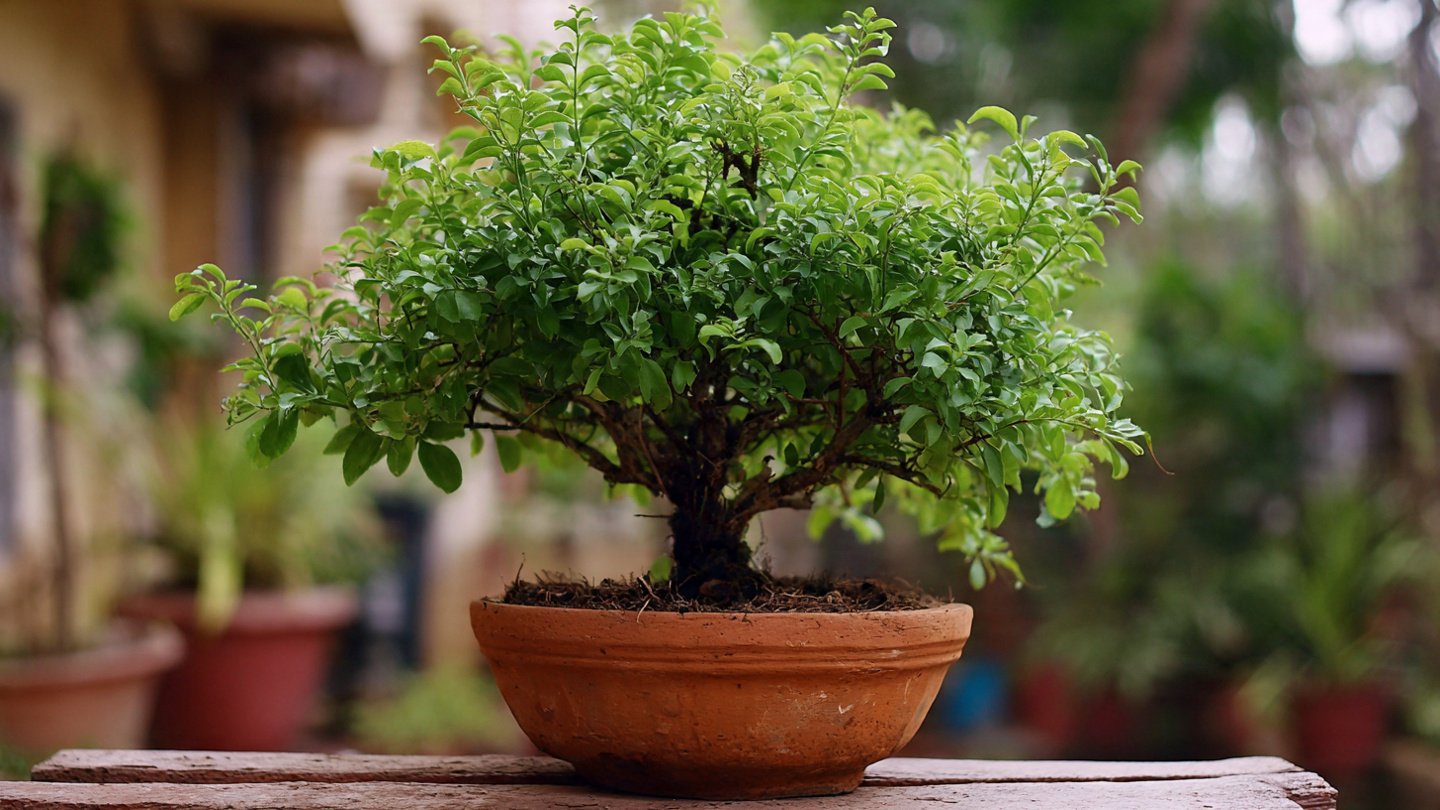
Sadabahar, also known as Periwinkle or Catharanthus roseus, is a versatile and hardy flowering plant cherished for its vibrant blooms and year-round appeal. Its name “Sadabahar” literally means “evergreen” or “always blooming,” making it a favorite among gardeners who want continuous color with minimal effort. This hardy plant is widely used in gardens, borders, container gardens, and even as indoor decoration because of its low maintenance, adaptability, and medicinal value.
While sadabahar naturally grows in tropical and subtropical climates, many home gardeners struggle to achieve a bushy, full plant rather than a tall and sparse one. This guide reveals a simple hack to help your sadabahar grow naturally bushy at home, maximizing blooms and foliage while keeping care straightforward.
Why Grow Sadabahar at Home?
Sadabahar is not just a beautiful ornamental plant—it offers multiple benefits:
- Vibrant Year-Round Blooms: Produces pink, white, purple, or red flowers throughout the year.
- Low Maintenance: Thrives in pots, garden beds, and even indoors with minimal care.
- Medicinal Properties: Traditionally used in Ayurveda for ailments such as diabetes, high blood pressure, and skin problems.
- Drought Tolerant: Does not require frequent watering once established.
- Versatile Use: Ideal for borders, beds, hanging baskets, and indoor decoration.
With these benefits, sadabahar is an excellent choice for both beginner and experienced gardeners.
Understanding Why Sadabahar Becomes Leggy
A common problem gardeners face is that sadabahar grows tall and sparse, with fewer branches and fewer flowers. This is called “leggy growth,” which occurs due to:
- Excessive sunlight without pruning: While sadabahar loves sunlight, lack of pruning encourages vertical growth.
- Nutrient imbalance: Too much nitrogen promotes leaves but not branching.
- Lack of pinching or trimming: Branches are not encouraged to grow naturally.
Fortunately, there is a simple, natural hack to encourage bushy, compact growth, giving you a vibrant, flower-filled plant.
The Easy Hack: Pinching and Trimming
The easiest and most effective way to make sadabahar grow bushy is through pinching or trimming tips. This method naturally encourages the plant to produce more lateral branches, which results in a fuller, denser plant.
Step-by-Step Pinching Method:
- Identify the Tip: Look for the growing tip at the top of each stem.
- Pinch Off Carefully: Use your thumb and forefinger to pinch or remove the top 1–2 inches of the stem.
- Encourage Branching: After pinching, the plant redirects energy to side shoots rather than vertical growth.
- Repeat Regularly: Pinch tips every 2–3 weeks during the growing season to maintain compact growth.
Tip: Always use clean, sharp scissors for large plants to prevent tearing stems.
Choosing the Right Planting Location
Sadabahar grows best in areas that meet its sunlight and soil requirements:
- Sunlight: Full sun for 4–6 hours daily. Partial shade is acceptable but may reduce flower production.
- Soil: Well-draining soil enriched with compost or organic matter ensures healthy root development.
- Air Circulation: Avoid crowded areas to prevent fungal diseases.
For container gardening, choose a pot with drainage holes and place it in a sunny spot. Raised beds also work well for sadabahar bushes.
Soil Preparation for Healthy Growth
Proper soil preparation is essential to support bushy growth:
- Loamy Soil Mix: Mix garden soil with sand and compost to create a well-draining, fertile medium.
- Organic Fertilizer: Add compost or well-rotted manure to provide nutrients gradually.
- pH Level: Slightly acidic to neutral soil (6.0–7.0) is ideal.
- Drainage Check: Ensure excess water can drain easily to prevent root rot.
Healthy soil supports vigorous branching and flower production, complementing the pinching hack.
Watering Sadabahar
Sadabahar is drought-tolerant but requires moderate watering for bushy growth:
- Young Plants: Water regularly to keep the soil moist, promoting root development.
- Established Plants: Water 1–2 times per week depending on weather; avoid waterlogging.
- Mulching: Use organic mulch to maintain soil moisture and protect roots from heat.
Overwatering can lead to root rot, while underwatering may slow growth and reduce flowering.
Fertilizing for Bushy Growth
While sadabahar is not a heavy feeder, proper fertilization encourages lush foliage and flowers:
- Nitrogen-Rich Fertilizer: Early in the growth stage, use a nitrogen fertilizer to promote leaves and branching.
- Balanced Fertilizer: Once flowering begins, switch to a balanced NPK fertilizer (10:10:10) to encourage blooms without excessive leaf growth.
- Organic Options: Compost, vermicompost, or liquid manure supports healthy, chemical-free growth.
Fertilization works hand-in-hand with pinching to maintain bushiness.
Sunlight and Temperature Requirements
Sadabahar prefers:
- Temperature: 20–35°C (68–95°F) for optimal growth.
- Sunlight: 4–6 hours of sunlight daily; partial shade reduces flower production.
- Protection: In extremely hot climates, provide light shade during peak afternoon hours to prevent leaf burn.
Proper sunlight ensures compact growth, abundant leaves, and vibrant flowers.
Managing Pests and Diseases
Sadabahar is relatively hardy but may face minor pest and disease issues:
- Aphids and Whiteflies: Use neem oil, insecticidal soap, or water sprays.
- Fungal Diseases: Leaf spots and powdery mildew can appear in humid conditions. Ensure good spacing, air circulation, and avoid overhead watering.
- Preventive Care: Remove dead leaves and flowers regularly to maintain plant health.
Healthy plants respond better to pinching and trimming, producing a naturally bushy appearance.
Additional Hacks for Bushy Growth
- Use Growth Hormones (Optional): Spraying a diluted growth hormone can encourage lateral branching.
- Plant Multiple Saplings: Space plants close enough to form a dense shrub, naturally supporting bushiness.
- Regular Deadheading: Remove spent flowers to redirect energy into new shoots and branches.
- Prune Leggy Stems: Cut back tall, weak stems to promote uniform, compact growth.
These complementary hacks enhance the natural pinching method, resulting in a lush, flowering bush.
Propagation for More Bushy Plants
Sadabahar can be propagated easily, allowing gardeners to expand their bushy collection:
- Stem Cuttings: Take 3–4 inch healthy stem cuttings, remove lower leaves, and plant in moist soil. Roots develop within 2–3 weeks.
- Division: Mature plants with multiple stems can be divided carefully and replanted to maintain bushiness.
- Seeds: Sow seeds indoors or directly in the garden during spring. Thin seedlings to 6–8 inches apart to allow room for branching.
Propagation ensures a continuous supply of bushy plants for your garden.
Benefits of Growing Bushy Sadabahar
- Aesthetic Appeal: Dense, compact bushes filled with vibrant flowers create a striking garden display.
- Low Maintenance: Once established, requires minimal care.
- Medicinal Use: Leaves and flowers have traditional healing properties.
- Year-Round Beauty: Blooms continuously in warm climates, adding color throughout the year.
- Versatile Placement: Suitable for garden beds, borders, containers, and indoor decoration.
A naturally bushy sadabahar adds lush greenery and continuous floral beauty to any home garden.
Conclusion
Growing sadabahar naturally bushy at home is simple with the pinching and trimming hack. By regularly removing the growing tips, providing adequate sunlight, maintaining well-draining soil, watering moderately, and fertilizing strategically, you can enjoy a compact, dense, and flower-filled plant all year round.
This hardy, low-maintenance plant not only enhances the beauty of your garden but also offers medicinal benefits, making it a valuable addition to your home landscape. Complement the pinching method with propagation, deadheading, and pruning, and your sadabahar bushes will thrive, producing continuous vibrant blooms and lush foliage.
Start applying these easy hacks today, and transform your garden with evergreen, bushy sadabahar plants that bloom beautifully all year.