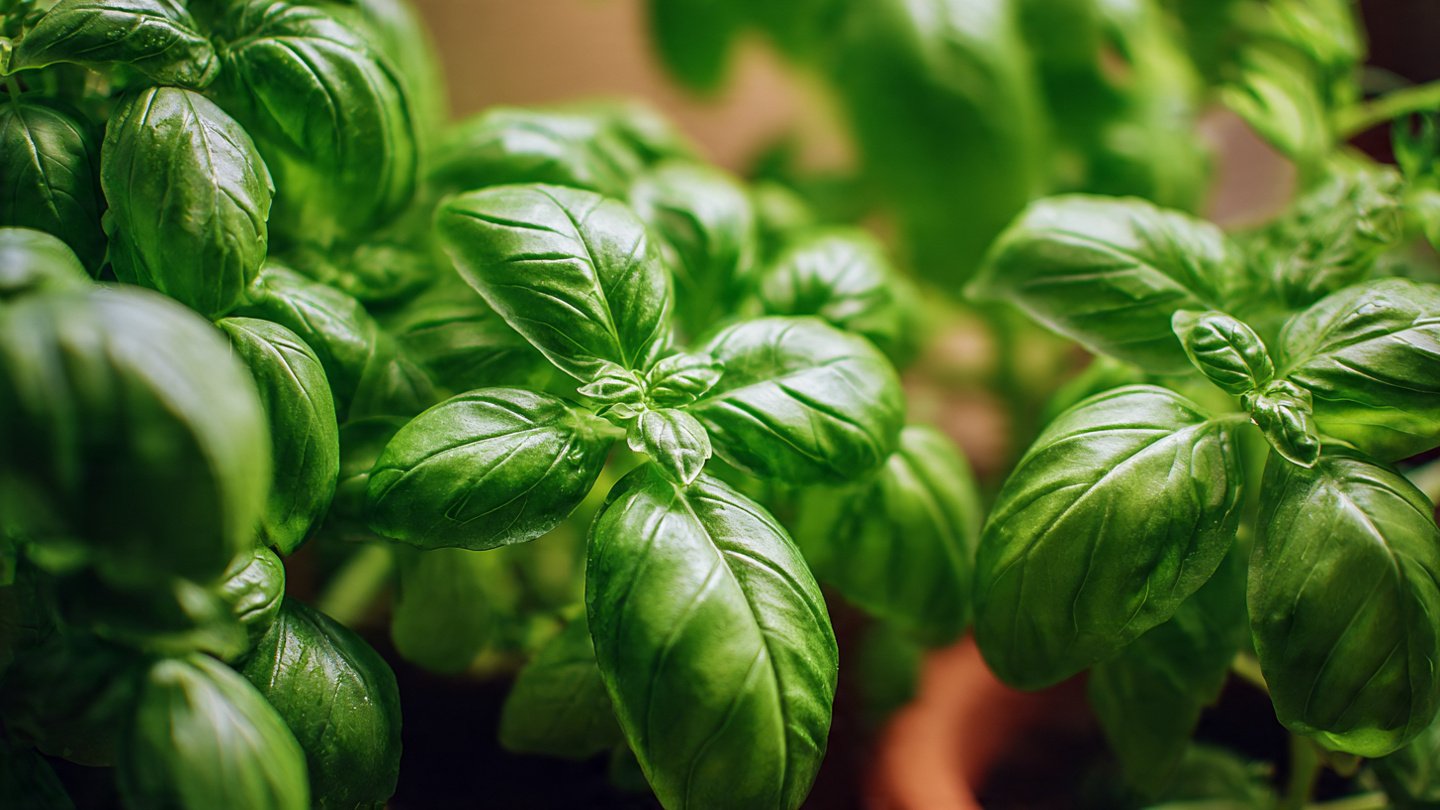
Basil is one of the most versatile and beloved herbs in the culinary world. Its fragrant leaves can elevate sauces, salads, teas, and countless dishes. But any basil grower knows that once this aromatic herb begins to flower, leaf production slows down, and the leaves can become bitter. To ensure you have a bountiful harvest of tender, flavorful basil leaves all season long, it’s essential to understand how to prevent flowering effectively. This ultimate guide will provide you with detailed, actionable techniques to maximize leaf growth and maintain healthy, productive basil plants.
Understanding Basil Growth and Flowering
Before diving into techniques, it’s important to understand the growth cycle of basil. Basil (Ocimum basilicum) is an annual herb, meaning it completes its life cycle in a single growing season. It thrives in warm weather, full sunlight, and well-draining soil.
Basil begins as a tender seedling, producing lush leaves during its vegetative stage. As the plant matures, it naturally shifts toward reproduction by flowering. This flowering, or “bolting,” signals the plant to divert energy from leaf production to seed development. While the flowers can attract pollinators, for leaf-focused growers, flowering is counterproductive. Leaves often become smaller, tougher, and bitter, reducing the quality of your harvest.
Selecting the Right Basil Variety
The first step in maximizing leaf production is choosing the right variety of basil. Some basil types are naturally slower to flower or more resilient to heat, giving you more time to harvest abundant leaves. Popular options for leaf-heavy growth include:
- Genovese Basil: Classic Italian basil, large leaves, ideal for pesto.
- Sweet Basil: Aromatic and flavorful, commonly used in Mediterranean dishes.
- Lettuce Leaf Basil: Very large, tender leaves, great for salads and garnishes.
- Purple Basil: Decorative and flavorful, with slightly slower flowering than green varieties.
- Thai Basil: Distinctive flavor, popular in Asian cuisine, tends to produce leaves longer before flowering.
Choosing a slower-bolting variety gives you a head start in managing flowering and keeping your basil lush.
Ideal Growing Conditions for Leaf Production
Basil grows best when environmental conditions are optimized for vegetative growth. Leaf production thrives when the plant feels “comfortable” in its surroundings. Key conditions include:
- Sunlight: Basil needs 6–8 hours of full sunlight daily. Insufficient light encourages leggy growth and weak leaves, while too much scorching sun can stress the plant.
- Temperature: Ideal temperatures range between 70–85°F (21–29°C). High heat can trigger early flowering, so in extreme summer, some shade during the hottest part of the day may be beneficial.
- Soil: Well-draining soil rich in organic matter promotes healthy root systems and robust leaf growth. Basil prefers a slightly acidic to neutral pH (6.0–7.0).
- Watering: Consistent moisture is essential, but avoid waterlogged soil. Overwatering encourages root rot, while drought stress accelerates flowering. Water at the base to prevent leaf disease.
Techniques to Prevent Flowering (Bolting)
Preventing flowering is the key to maximizing leaf production. Here are proven techniques used by gardeners and commercial growers alike:
1. Regular Pinching and Pruning
One of the most effective ways to prevent flowering is consistent pinching. When you see flower buds forming at the top of stems, pinch them off immediately. This keeps the plant in its vegetative phase and encourages bushier growth. Tips include:
- Pinch the stem just above a pair of leaves.
- Remove any flowers as soon as they appear; even a single flower can signal the plant to slow leaf production.
- Regular pruning also stimulates lateral growth, giving you more stems and leaves.
A well-pruned basil plant can produce two to three times more leaves than an unpruned plant.
2. Harvest Leaves Frequently
Frequent harvesting not only provides fresh basil but also naturally suppresses flowering. Removing mature leaves forces the plant to produce new foliage continuously. Techniques:
- Harvest from the top, cutting stems above a leaf node.
- Never remove more than one-third of the plant at a time to avoid stress.
- Harvest leaves in the morning when essential oils are at their peak.
By integrating harvesting with pinching, you maintain a perpetual growth cycle.
3. Provide Optimal Nutrition
Balanced nutrition supports vegetative growth and delays flowering. Basil is a moderate feeder, requiring nitrogen for leafy growth:
- Use a nitrogen-rich organic fertilizer (like composted manure or seaweed extract).
- Apply fertilizer every 4–6 weeks during the growing season.
- Avoid over-fertilizing with phosphorus or potassium, which can encourage flowering.
Healthy, well-fed basil plants are more resilient and focused on leaf production rather than reproduction.
4. Manage Light and Heat
While basil loves sunlight, too much heat or stress can trigger flowering:
- In extremely hot regions, provide afternoon shade to keep temperatures moderate.
- For indoor growers, ensure 12–16 hours of light daily using grow lights during short winter days.
- Rotate pots to ensure uniform light exposure, preventing uneven flowering.
5. Stress Reduction
Stress factors, like irregular watering, extreme heat, or overcrowding, accelerate bolting. To reduce stress:
- Maintain consistent watering.
- Space plants 12–18 inches apart for airflow.
- Mulch around the base to retain soil moisture and regulate temperature.
A calm environment encourages the plant to focus on leaf growth instead of survival via reproduction.
6. Controlling Flowering with Cutting Back
If a plant begins to flower despite precautions, drastic pruning can rejuvenate leaf growth:
- Cut the main stems back by one-third to one-half.
- Remove all flower spikes and buds.
- Water and fertilize after pruning to help the plant recover.
This method can extend the productive life of your basil significantly.
Indoor Basil Techniques
Growing basil indoors allows greater control over flowering:
- Pot Selection: Use containers with drainage holes to prevent waterlogging.
- Temperature Control: Keep indoor basil away from cold drafts and maintain warmth.
- Light Management: Supplement natural light with LED grow lights for 12–16 hours daily.
- Air Circulation: A small fan prevents fungal disease and encourages healthy growth.
- Pinching and Harvesting: Indoor basil responds very well to frequent leaf removal and regular pinching.
Indoor growing can extend the harvest window for months beyond the outdoor season.
Companion Planting and Pests
Certain companion plants can help basil thrive, reducing stress that triggers flowering. Basil grows well with tomatoes, peppers, and oregano. Additionally, pest management is crucial:
- Aphids and Whiteflies: Can stress the plant; remove manually or use organic sprays.
- Fungal Issues: Avoid overhead watering and provide airflow.
- Healthy plants are less likely to bolt prematurely.
Harvesting and Storage for Maximum Flavor
Harvesting correctly ensures flavorful leaves:
- Pick leaves in the morning after dew evaporates; essential oils are highest.
- Use sharp scissors to avoid bruising.
- Store fresh leaves in a damp paper towel in the fridge for short-term use or freeze for longer storage.
- Drying leaves preserves flavor, but fresh basil is always preferred for maximum aroma.
Propagation for Continuous Supply
To maintain a continuous supply of basil leaves, consider propagation:
- Cuttings: Place 4–6 inch stem cuttings in water until roots develop, then transplant to soil.
- Seed Sowing: Direct sow or start seeds indoors to ensure a steady rotation.
- By propagating, you always have young plants ready to replace older, flowering ones.
Conclusion
Maximizing leaf production in basil is a combination of the right variety, ideal growing conditions, and careful maintenance. Preventing flowering requires consistent pinching, regular harvesting, optimal nutrition, and stress management. With these techniques, gardeners can enjoy lush, flavorful basil leaves throughout the season. Whether grown indoors or outdoors, these strategies help keep your basil thriving and productive, turning every dish into a culinary delight.
By understanding the life cycle of basil and intervening strategically, you can stay one step ahead of flowering and enjoy a continuous supply of tender, aromatic leaves. With patience and care, your basil garden will be a vibrant, leafy paradise that keeps your kitchen stocked with one of the world’s most beloved herbs.