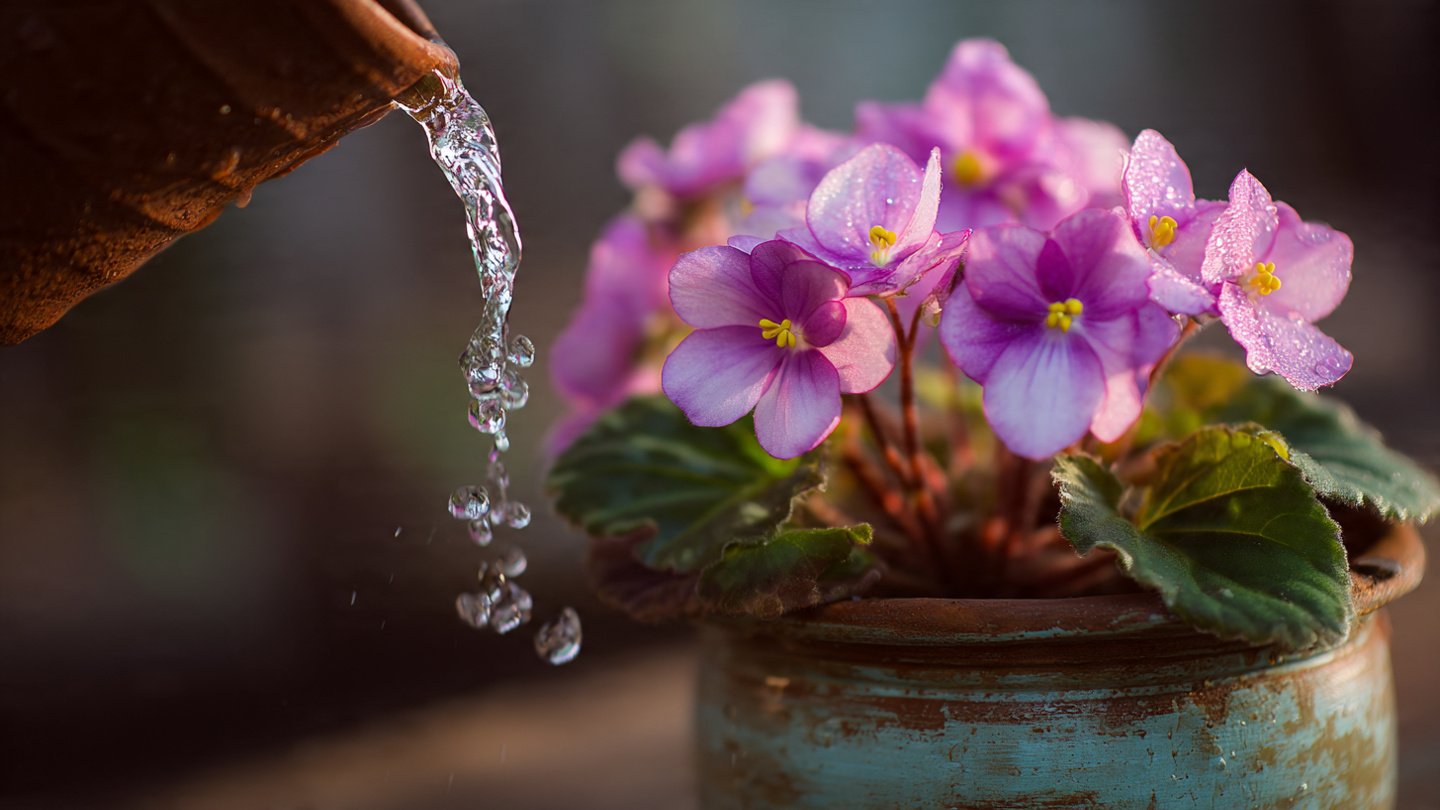
African violets are among the most beloved houseplants worldwide, admired for their vibrant flowers, velvety leaves, and compact size. Despite their popularity, many plant enthusiasts struggle with keeping them healthy and encouraging consistent blooms. Surprisingly, one of the most common issues arises not from pests or soil, but from improper watering techniques.
Watering African violets correctly is critical because these plants are sensitive to overwatering, underwatering, and even the temperature or method of water used. In this ultimate guide, we will explore the best watering methods to ensure your African violets thrive, produce abundant flowers, and maintain lush, green foliage.
Understanding African Violet Watering Needs
Before delving into techniques, it’s important to understand the water requirements of African violets. These plants originate from tropical environments where they grow under forest canopies with high humidity and consistent, gentle moisture.
Key points to remember:
- African violets prefer evenly moist soil, not soggy or dry.
- Their roots are delicate and prone to rot if they sit in waterlogged soil.
- They absorb water mainly through their roots, but leaf surfaces are sensitive and can develop spots or rot if wet.
- Consistent moisture is more important than frequent watering.
The Risks of Overwatering and Underwatering
Overwatering
Too much water is the most common mistake with African violets. Overwatering can lead to:
- Root rot
- Yellowing or wilting leaves
- Fungal infections
- Stunted growth
It often occurs when water is poured directly into the soil without checking if the plant actually needs it.
Underwatering
Conversely, underwatering can cause:
- Dry, brittle leaves
- Leaf curling or browning at the edges
- Flower drop or failure to bloom
African violets are more forgiving of slightly dry soil than waterlogged soil, but consistent neglect will weaken the plant over time.
Choosing the Right Water
The quality and temperature of water matter as much as how you apply it.
Water Quality
- Use room temperature water (avoid cold water from the fridge)
- Tap water is usually fine, but chlorine or fluoride-sensitive plants may need filtered or rainwater
- Avoid softened water as salts can accumulate and harm the plant
Water Temperature
- Lukewarm water is ideal
- Water that is too cold can shock roots
- Water that is too hot can scald delicate roots and leaves
The Best Methods for Watering African Violets
Several methods are effective for watering African violets, but each has pros and cons. Let’s explore the most widely recommended techniques.
1. Bottom Watering
Bottom watering is often considered the safest and most effective method for African violets.
How it works:
- Place your potted African violet in a shallow saucer or tray
- Add water until it reaches about one-third of the pot’s height
- Allow the plant to absorb water through drainage holes for 20–30 minutes
- Remove excess water to prevent standing water
Advantages:
- Prevents water from touching leaves, reducing leaf spot and rot
- Encourages deep root growth
- Reduces overwatering risk
Tips:
- Check soil moisture before watering again
- Do not leave the plant sitting in water for too long
- Ideal for smaller pots and indoor setups
2. Top Watering
Top watering is pouring water directly onto the soil surface. While riskier, it is sometimes necessary for larger pots or very dry soil.
How to do it safely:
- Use a watering can with a narrow spout
- Pour slowly at the base of the plant
- Avoid wetting leaves, especially the center of the rosette
Advantages:
- Easier for quick watering
- Ensures all soil is evenly moistened
Precautions:
- Water in the morning to allow leaves to dry
- Use tepid water
- Avoid splash onto leaves to prevent spotting or crown rot
3. Self-Watering Pots
Self-watering pots can be ideal for busy gardeners or beginners. These pots have a reservoir at the bottom and a wick or capillary system that delivers water gradually.
Benefits:
- Maintains consistent moisture
- Reduces watering mistakes
- Helps prevent both overwatering and underwatering
Considerations:
- Monitor soil periodically; adjust water reservoir as needed
- Clean the reservoir regularly to prevent algae buildup
4. Misting: When and How to Use It
Misting is sometimes used to increase humidity around African violets. While it does not replace soil watering, it can help in dry environments.
Guidelines:
- Mist early in the day to allow leaves to dry
- Avoid misting directly onto flowers or leaf crowns
- Use room-temperature water
Caution: Excessive misting increases the risk of fungal infections.
Determining When to Water
A key aspect of success is knowing when your African violets need water. Overwatering is more damaging than under-watering.
Signs Your Plant Needs Water
- Dry, slightly light soil
- Leaves beginning to droop slightly
- Edges of leaves curling or appearing crispy
Simple Moisture Check
- Insert a wooden skewer or your finger into the soil
- If it comes out dry, it’s time to water
- If soil is still moist, wait a day or two
Soil and Pot Considerations
The way you water is closely linked to the soil type and pot choice.
- Use well-draining, airy soil specifically for African violets
- Avoid heavy garden soil, which retains too much water
- Pots should have adequate drainage holes
- Consider unglazed clay pots for better evaporation control
Proper soil and pots reduce the risk of root rot and create ideal conditions for consistent watering.
Seasonal Adjustments
African violets’ water requirements can change depending on the season:
- Spring and Summer: Plants grow actively, and the soil may dry faster. Water slightly more frequently.
- Autumn and Winter: Growth slows; reduce watering to avoid waterlogging.
Pay attention to temperature, humidity, and sunlight, as these factors influence water needs.
Additional Tips for Healthy Growth
- Rotate pots occasionally to ensure even light exposure
- Avoid placing plants near heating vents or air conditioners that dry out soil
- Fertilize regularly with diluted African violet fertilizer to complement proper watering
- Remove dead or yellow leaves promptly to reduce disease risk
Consistency in watering, combined with good cultural practices, is key to producing vibrant blooms and lush foliage.
Common Watering Mistakes to Avoid
- Using ice-cold water
- Wetting the leaves or crown of the plant
- Watering on a fixed schedule without checking soil moisture
- Ignoring pot and soil drainage
- Using hard or chemically treated water without treatment
Avoiding these mistakes will significantly improve plant health and flowering.
Final Thoughts
Watering African violets correctly is both an art and a science. By understanding their natural preferences, using safe watering techniques like bottom watering, monitoring soil moisture, and adjusting for seasonal changes, you can create the perfect conditions for healthy growth and abundant blooms.
When done consistently, proper watering transforms African violets from finicky houseplants into long-lasting, flowering beauties that brighten any home. Combine this with the right soil, light, and care, and your African violets will reward you with vibrant flowers year-round.