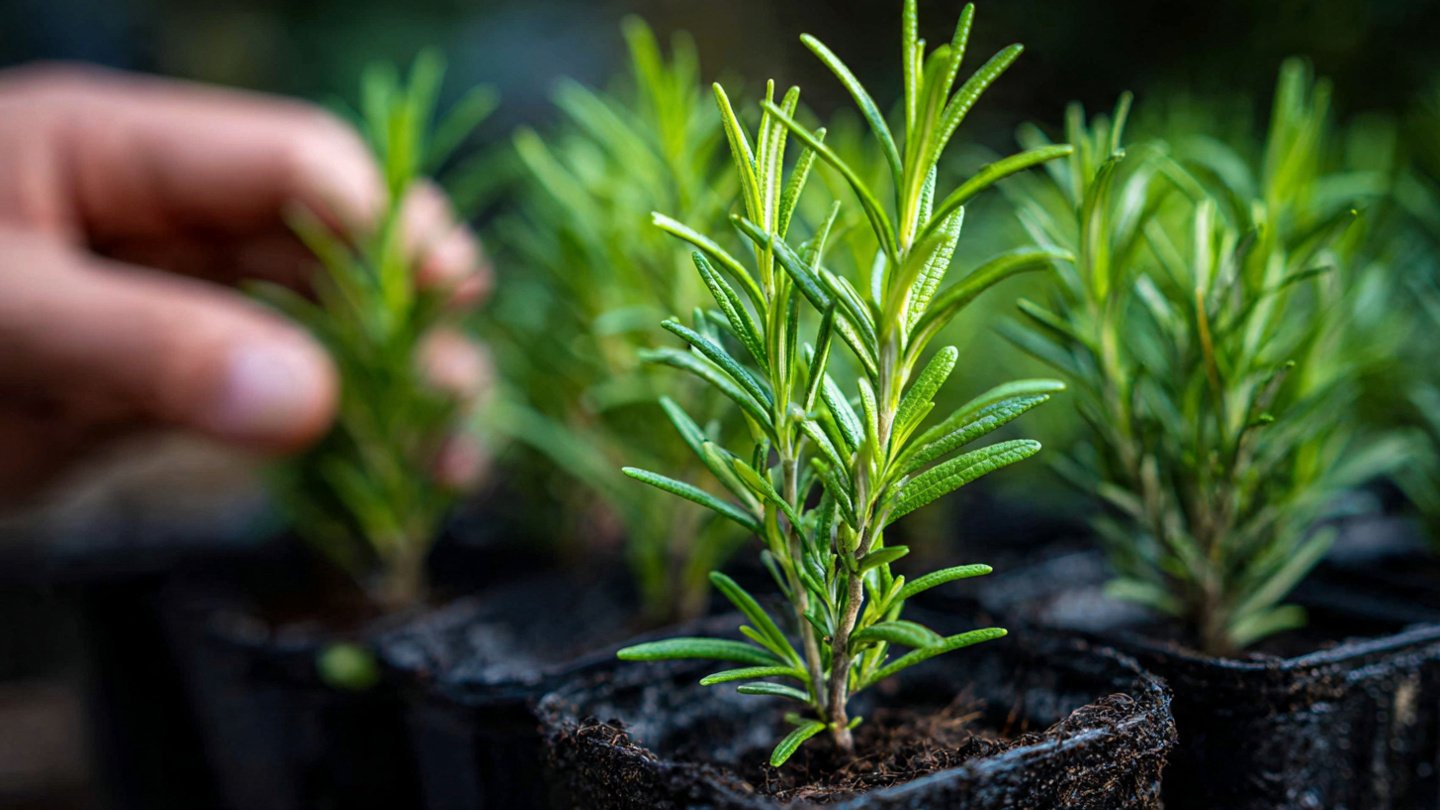
Rosemary (Salvia rosmarinus), a fragrant and versatile herb, is a favorite in gardens and kitchens alike. Its needle-like leaves and aromatic scent make it ideal for cooking, herbal remedies, and ornamental purposes. While rosemary can be grown from seeds, starting from softwood cuttings is faster, easier, and ensures that the new plant retains the characteristics of the parent plant. This method is especially beginner-friendly and allows you to propagate multiple plants from a single healthy rosemary shrub.
In this guide, we’ll walk you through every step of growing rosemary from softwood cuttings, from selecting the right parent plant to planting and caring for new cuttings. By the end, you’ll be able to create your own thriving rosemary garden with minimal effort.
Why Choose Softwood Cuttings for Rosemary
Softwood cuttings are taken from the young, flexible stems of the plant, usually during the spring or early summer. These cuttings root faster than hardwood or semi-hardwood cuttings and establish quickly in new soil.
Benefits of using softwood cuttings include:
- Faster Rooting: Softwood cuttings typically develop roots in 2–4 weeks.
- Clonal Propagation: New plants are genetically identical to the parent, preserving flavor and growth characteristics.
- Cost-Effective: You can propagate multiple plants from a single shrub.
- Ideal for Beginners: The process is straightforward and doesn’t require specialized equipment.
Step 1: Select a Healthy Parent Plant
The first step is choosing a healthy, mature rosemary plant from which to take cuttings.
- Look for strong, green stems free of disease, pests, or brown spots.
- Avoid woody or overly mature stems, as they are harder to root.
- Choose stems that are about 4–6 inches long and have flexible, soft growth.
A healthy parent plant ensures that your new rosemary cuttings have the best chance of rooting successfully and growing into strong plants.
Step 2: Prepare Your Tools and Materials
Having the right tools and materials makes propagation easier and increases success rates:
- Sharp, clean pruning shears or scissors: Reduces damage and prevents disease transmission.
- Rooting hormone (optional but recommended): Helps stimulate root growth.
- Potting mix: Use a well-draining mix of sand, perlite, and peat moss. Avoid heavy garden soil.
- Small pots or seed trays: For planting cuttings.
- Plastic bags or a propagator (optional): Helps maintain humidity.
Tip: Sterilize your tools with rubbing alcohol before taking cuttings to prevent infection.
Step 3: Take Softwood Cuttings
Softwood cuttings should be taken during spring or early summer when the plant is actively growing.
- Select a healthy, non-flowering stem.
- Cut a 4–6 inch section just below a leaf node (where leaves emerge).
- Remove the lower leaves, leaving only 2–3 sets of leaves at the top.
- Trim the bottom of the cutting at a 45-degree angle to increase rooting surface.
By removing lower leaves and cutting at an angle, you reduce moisture loss and provide more surface area for roots to form.
Step 4: Apply Rooting Hormone (Optional but Effective)
Dipping the cut end of the rosemary cutting in rooting hormone powder or gel can improve rooting success.
- Tap off excess hormone to avoid clumping.
- Insert the cutting directly into the prepared potting mix.
While rosemary can root without hormones, using them increases the chances of faster and more reliable root development.
Step 5: Plant the Cuttings
Plant the prepared cuttings carefully in pots or trays with well-draining soil:
- Make a small hole in the soil using a pencil or your finger.
- Insert the cutting so that the leafless portion is buried about 1–2 inches deep.
- Firm the soil gently around the cutting to remove air pockets.
- Water lightly to settle the soil, avoiding overwatering.
Spacing: If planting multiple cuttings in one tray, leave 1–2 inches between cuttings to prevent overcrowding and improve airflow.
Step 6: Create a Humid Environment
Rosemary cuttings root best in a humid environment, as young stems are prone to drying out:
- Cover the cuttings with a plastic bag or place them in a mini greenhouse/propagator.
- Ensure the covering does not touch the leaves directly. You can use small sticks to hold it above the cuttings.
- Keep the temperature around 65–75°F (18–24°C).
- Remove the cover once a day for a few minutes to allow airflow and prevent mold growth.
Maintaining humidity prevents desiccation and encourages root development.
Step 7: Watering and Care
Proper watering is crucial for rooting success:
- Keep soil lightly moist, not soggy. Overwatering can lead to rot.
- Use a spray bottle for gentle watering if the soil is delicate.
- Avoid direct, harsh sunlight, which can stress the cuttings. Bright, indirect light is ideal.
During the rooting period (2–4 weeks), monitor cuttings daily for signs of dryness, mold, or wilting.
Step 8: Monitor for Root Development
After 2–4 weeks, roots should start forming:
- Gently tug on the cutting; if there is resistance, roots are developing.
- Look for tiny white roots emerging at the base of the stem.
At this stage, continue to provide bright, indirect light and maintain humidity to encourage strong root growth.
Step 9: Transplanting Rooted Cuttings
Once the cuttings have developed a strong root system (usually 4–6 weeks), they can be transplanted into larger pots or garden beds:
- Choose a pot with drainage holes or a sunny garden location.
- Prepare well-draining soil enriched with compost.
- Plant the rooted cutting at the same depth it was in the propagation pot.
- Water thoroughly but avoid waterlogging.
Transplanting strengthens the plant and allows it to continue growing into a mature rosemary bush.
Step 10: Ongoing Care for Young Rosemary Plants
After transplanting, care for young rosemary plants to ensure strong growth:
- Sunlight: Place in full sun for at least 6 hours per day. Rosemary thrives in bright, sunny conditions.
- Watering: Water deeply but allow the soil to dry out between waterings. Avoid overwatering.
- Fertilization: Use a balanced, slow-release fertilizer monthly for healthy growth.
- Pruning: Pinch back new growth to encourage bushy development.
Proper care after rooting ensures your propagated rosemary plants flourish and produce aromatic, flavorful leaves for cooking or decorative purposes.
Common Mistakes and How to Avoid Them
- Overwatering: Softwood cuttings are prone to rot. Keep soil lightly moist and well-draining.
- Direct Sunlight: Avoid harsh sun during rooting. Bright, indirect light is ideal.
- Planting Woody Stems: Old, woody stems root poorly. Always use soft, young growth.
- Low Humidity: Cuttings dry out quickly in dry air. Use a plastic cover or propagator to maintain humidity.
- Neglecting Root Check: Avoid disturbing cuttings too early. Wait 2–4 weeks before checking for roots.
Tips for Successful Rosemary Propagation
- Take cuttings in spring or early summer for the best results.
- Use sharp, sterilized scissors to prevent infections.
- Apply rooting hormone to improve success rates.
- Maintain consistent warmth and humidity during the rooting period.
- Transplant only when roots are well-developed to prevent transplant shock.
With patience and careful attention, even beginners can successfully propagate rosemary from softwood cuttings.
Benefits of Growing Rosemary From Softwood Cuttings
- Rapid Multiplication: Produce multiple plants from a single shrub.
- Clonal Growth: New plants retain parent plant flavor, aroma, and growth habits.
- Cost Savings: Avoid buying new plants; propagate your own supply.
- Beginner-Friendly: Minimal equipment and simple steps make this method accessible to everyone.
- Aromatic and Decorative: Adds greenery and fragrance to your home, balcony, or garden.
Conclusion
Growing rosemary from softwood cuttings is an easy and rewarding way for beginners to expand their herb garden. By following the steps outlined—selecting healthy stems, using rooting hormone, planting in well-draining soil, and maintaining proper humidity—you can create a thriving collection of rosemary plants in just a few weeks.
This method not only saves money but also ensures your new plants retain the best qualities of the parent, whether it’s the rich flavor, aromatic scent, or vigorous growth. With proper care, your propagated rosemary will flourish, providing fresh leaves for cooking, teas, and ornamental purposes for years to come.
Start with just a single cutting today, and you’ll soon enjoy a garden full of fragrant, thriving rosemary plants—all grown from your own hands, the beginner-friendly way!